
Coffee is one of those universal pleasures that crosses cultures, languages, and lifestyles. For many people, it’s a daily ritual; for others, it’s a passion. And then there is a small, enthusiastic group who dive deeper into the world of specialty coffee — where rare coffees have become something of a legend. They spark conversations, fuel debates, and sometimes even cause people to travel across continents just to taste a particular cup.
But why do rare coffees attract so much attention? What makes them different from the beans we normally brew at home? Is it just a clever marketing trend, or is there something truly special behind their name, their flavor, and their often astonishing price?
In this article, we’ll explore what defines a “rare coffee,” why they’re valued the way they are, and how their uniqueness influences the way we appreciate coffee as a whole.
What Exactly Makes a Coffee Rare?
The idea of rarity in coffee isn’t linked to a single factor. Instead, it’s a combination of elements that naturally limit production, increase demand, or create standout characteristics. Here are the most common reasons a coffee earns the “rare” label:
1. Limited Geographic Origin
Some coffees grow only in very specific micro-regions — areas with unique climate conditions, soil composition, altitude, and biodiversity. These places might be small farms, isolated mountains, or remote islands.
Examples include:
-
Small lots in Ethiopia’s highlands
-
Panama’s famous Boquete Valley
-
Certain regions of Yemen
Because the land is limited, so is the production.
2. Unique or Unusual Varietals
Botanical varieties like Gesha (or Geisha), Sudan Rume, and Laurina produce exceptional flavors but are difficult to grow. They often:
-
Yield fewer cherries
-
Require meticulous care
-
Are sensitive to climate changes
Fewer beans mean higher prices — and greater interest.
3. Special Processing Methods
Some coffees become rare because of how they are processed. Experimental techniques like anaerobic fermentation, carbonic maceration, honey processing, or thermal shock are labor-intensive, costly, and risky. When they succeed, they create extraordinary flavor profiles that can’t be replicated at scale.
4. Exceptional Quality Scoring
Coffees that score above 90 points in specialty coffee evaluations are extraordinarily rare. They represent the top fraction of global production, almost like “champions” of the coffee world.
5. Cultural or Historical Scarcity
There are coffees whose rarity comes from tradition or history — beans grown in places that survived conflict, drought, or major agricultural challenges. These coffees carry stories, and stories add value.
6. Extremely Limited Harvests
Some farms intentionally produce micro-lots or nano-lots, sometimes only a few kilograms. These batches can sell out in minutes, creating a sense of exclusivity.
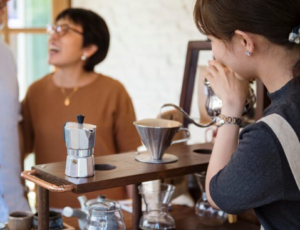
Why Rare Coffees Spark So Much Curiosity
People naturally gravitate toward things that are limited, special, or different. Rare coffees check all those boxes and add something more: they offer a sensory experience that isn’t easily found elsewhere.
Here’s why they’re always in the spotlight:
1. Extraordinary Flavor Profiles
Rare coffees often display flavors that feel almost unreal. You might taste notes of:
-
Passion fruit
-
Jasmine florals
-
Ripe mango
-
Peach
-
Bergamot
-
Cane sugar
-
Layered acidity
These aren’t flavors added artificially — they’re natural expressions of the bean’s genetics and environment.
For many coffee drinkers, trying a rare coffee is like tasting wine from a legendary vineyard: it’s the combination of craftsmanship, nature, and pure sensory delight.
2. Storytelling and Identity
Every rare coffee carries a story, whether it’s the tale of a small family farm, a unique microclimate, or a processing experiment never done before. These narratives deepen the emotional connection to the cup — and humans love stories.
3. Limited Availability Creates Buzz
When only a few roasters in the world can access a specific nano-lot, word spreads quickly. Social media platforms amplify this hype, especially among:
-
Coffee enthusiasts
-
Baristas
-
Roasters
-
Influencers
-
Home brewing communities
This online energy transforms rare coffees into trends, making them feel almost mythical.
4. Competitive Coffee Culture
Events like the World Barista Championship often feature rare coffees that push boundaries. When a champion wins brewing a unique lot, the entire specialty community takes notice. What was once obscure suddenly becomes iconic.
5. The Pursuit of Excellence
Rare coffees represent what many consider the “peak” of coffee quality. For enthusiasts, tasting them is a way to explore the highest levels of craftsmanship and flavor complexity.
Why Rare Coffees Are Often So Expensive
When people hear about a coffee costing $100, $300, or sometimes even $1,000 per pound, the first reaction is almost always disbelief. But behind the price tags lie real reasons rooted in agriculture, labor, and scarcity.
1. High Production Costs
Many rare varieties require more care:
-
Sensitive to pests
-
Vulnerable to diseases
-
Low-yield plants
-
Extra labor for hand-selecting cherries
Farmers invest far more time and resources to maintain these crops.
2. Limited Supply
A farm might only be able to produce a few kilograms of a rare varietal per year. When supply is tiny and demand is global, prices naturally rise.
3. Risk and Experimentation
When farmers experiment with fermentation, drying, or processing techniques, they take risks. If something goes wrong, the entire batch can be lost. The price reflects this risk and the skill required.
4. Grading and Competitions
If a coffee wins awards or scores high in competitions, the value skyrockets. Buyers want something exceptional — and are willing to pay for it.
5. Logistics and Exclusivity
Some rare coffees are sold through auctions, where roasters compete in real time. The competitive environment often pushes prices even higher.
Do Rare Coffees Taste Better for Everyone?
Here’s the interesting part: rarity does not guarantee that a coffee will taste better to every individual. Taste is subjective. A rare floral Ethiopian coffee might enchant one person and confuse another who prefers darker, chocolatey profiles.
Rare doesn’t mean universally loved.
It does mean, however, that the flavors are distinct, expressive, and often unlike anything commonly found in commercial coffee.
Trying rare coffee is less about chasing the “best” and more about curiosity — exploring how diverse coffee can be.
The Role of Sustainability in Rare Coffees
One of the most overlooked reasons rare coffees are celebrated is their contribution to sustainability. When farmers grow specialty micro-lots that earn high prices, their income increases. This encourages:
-
Better farming practices
-
Higher wages for workers
-
Investment in community infrastructure
-
Preservation of genetic diversity
By valuing rare coffees, the specialty market helps protect unique varietals that could otherwise disappear.
Is the Hype Always Justified?
Not always — and that’s part of the charm.
Some rare coffees genuinely offer breathtaking experiences. Others capture attention mainly because they are scarce. But even when the hype exceeds the flavor, the conversations they spark expand the appreciation of coffee culture.
They push boundaries, inspire innovation, and encourage consumers to look beyond basic coffee.
Should You Try a Rare Coffee?
Absolutely — if you’re curious.
You don’t need to spend a fortune. Many roasters sell small sample packs or offer limited-time brews in cafés. Trying even one rare coffee can reshape how you understand flavor, craftsmanship, and the cultural richness behind each bean.
Treat it like a once-in-a-while culinary experience — something special, not everyday.
Final Thoughts: Why Rare Coffees Matter
Rare coffees are talked about not just because they’re limited or expensive, but because they reflect the incredible diversity of the coffee world. They remind us that coffee is an agricultural treasure, shaped by soil, climate, tradition, experimentation, and human dedication.
Behind each rare bean is:
-
A farmer taking risks
-
A roaster applying skill
-
A community supporting craftsmanship
-
A flavor waiting to surprise you
Whether you’re a casual drinker or a passionate enthusiast, rare coffees offer something that goes beyond taste — they offer a deeper connection to the journey behind your cup.

Gabriel James is passionate about the world of coffee, with hands-on experience in specialty beans and artisanal brewing. He has worked in local coffee shops and closely observed extraction and service techniques. Today, he uses this blog to share accessible and relevant tips that help beginners understand and better appreciate coffee in their daily lives. His goal is to make learning simple and inspire more people to explore new flavors and methods.