
For many coffee enthusiasts, the journey from a good cup to a truly exceptional one is paved with small, often overlooked details. It is a common misconception that once you have quality beans, the rest is just a matter of pouring hot water. However, the difference between a decent morning brew and a transcendent coffee experience lies in the meticulous control of variables that, individually, seem insignificant but collectively redefine the final taste. This article delves into the subtle yet profound details that can elevate your coffee preparation from routine to ritual.
1. The Forgotten Ingredient: Water Quality
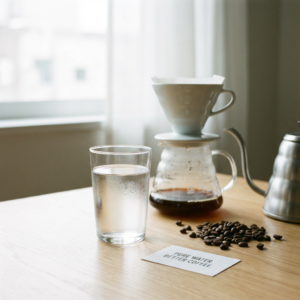
It is easy to forget that a cup of coffee is, by volume, over 98% water. Yet, many people focus intensely on the bean while neglecting the quality of the liquid that extracts its flavor. Tap water, while safe to drink, often contains minerals, chlorine, and other impurities that can drastically alter the taste profile of your coffee. Chlorine, for instance, can react with the delicate organic compounds in the coffee, resulting in a flat or even chemical taste.
The ideal water for coffee brewing is not distilled water, which lacks the necessary minerals for proper extraction, but rather water with a balanced mineral content. Specifically, a total dissolved solids (TDS) measurement between 75 and 150 parts per million (ppm) is generally recommended. Minerals like magnesium and calcium play a crucial role in bonding with the flavor compounds in the coffee grounds, pulling out the sweet, acidic, and complex notes we seek. Using filtered water or a specific water recipe for coffee can be the single most impactful change you make to your brewing routine. The Unique Characteristics of Ethiopian Yirgacheffe Beans
2. Precision in Measurement: The Role of the Scale
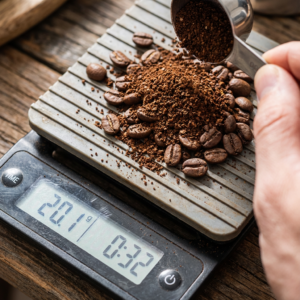
Eyeballing your coffee grounds and water volume is a sure way to introduce inconsistency. The coffee-to-water ratio is the fundamental building block of any recipe, and even a small deviation can lead to an over-extracted (bitter) or under-extracted (sour) cup. The golden ratio often recommended is 1:15 or 1:16 (one part coffee to 15 or 16 parts water), but this is a starting point, not a rigid rule.
A digital scale, accurate to at least 0.1 gram, is an indispensable tool for the serious home brewer. By weighing your beans before grinding and your water as you pour, you eliminate guesswork and gain complete control over the strength and flavor of your coffee. This precision allows you to replicate a perfect cup every single time or to confidently experiment with new ratios. This attention to detail is a natural progression from mastering the basic techniques, as discussed in our previous guide on Simple Methods That Make Coffee Much More Flavorful.
3. The Art of the Grind: Consistency is Key
The grind size is arguably the most critical variable in coffee preparation. It dictates the surface area of the coffee exposed to water, directly controlling the extraction rate. A grind that is too coarse will lead to under-extraction, resulting in a weak, sour taste. Conversely, a grind that is too fine will lead to over-extraction, producing a bitter, astringent cup.
However, beyond the size, the consistency of the grind is paramount. Cheap blade grinders chop the beans unevenly, creating a mix of fine dust and large chunks. This inconsistency leads to uneven extraction, where the fine particles over-extract and the coarse particles under-extract simultaneously. The result is a muddy, unbalanced flavor. Investing in a quality burr grinder ensures uniform particle size, allowing for a clean, predictable, and delicious extraction. The ideal grind size varies significantly depending on the brewing method—from coarse for French Press to fine for espresso.
4. Temperature Control: The Sweet Spot
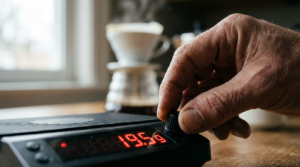
The temperature of the water is another detail that must be precisely controlled. Water that is too cold (below 195°F or 90°C) will not extract the desirable flavor compounds effectively, leading to a flat, sour taste. Water that is too hot (near boiling) can scorch the grounds, pulling out bitter, harsh flavors and destroying the more delicate aromatic oils.
The consensus for optimal brewing temperature is between 195°F and 205°F (90°C and 96°C). Using a kettle with a built-in thermometer or a separate digital thermometer is essential. For pour-over methods, the water temperature should be stable throughout the entire pour, which is why gooseneck kettles are favored for their ability to maintain a steady, controlled flow and temperature.
5. The Bloom and Agitation: Small Movements, Big Impact
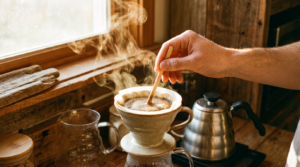
In pour-over brewing, the “bloom” is the initial pour of a small amount of water (about twice the weight of the coffee grounds) that saturates the grounds and allows the trapped carbon dioxide (CO2) to escape. This process, which lasts about 30 to 45 seconds, is vital because CO2 repels water, hindering proper extraction. A vigorous bloom indicates fresh coffee and sets the stage for an even extraction.
Agitation—the movement of the coffee and water during the main pour—is another subtle detail. Too much agitation can lead to over-extraction and a muddy cup, while too little can result in channeling and under-extraction. Techniques like a gentle swirl of the brewer or a controlled pour pattern are used to ensure all grounds are evenly exposed to the water. Mastering the bloom and the gentle agitation is the final step in controlling the extraction process, transforming the coffee from a simple beverage into a complex, nuanced drink.
Conclusion: The Pursuit of Perfection
The journey to the perfect cup of coffee is one of continuous refinement. It is not about grand gestures but about respecting the small details: the quality of the water, the precision of the measurement, the consistency of the grind, the stability of the temperature, and the subtlety of the agitation. By paying attention to these variables, you move beyond simply making coffee; you begin to craft it. Each small adjustment you make is a step toward unlocking the full, complex potential of your coffee beans, making your daily ritual not just satisfying, but truly exceptional. This dedication to detail is what separates the casual drinker from the true coffee connoisseur.

Gabriel James is passionate about the world of coffee, with hands-on experience in specialty beans and artisanal brewing. He has worked in local coffee shops and closely observed extraction and service techniques. Today, he uses this blog to share accessible and relevant tips that help beginners understand and better appreciate coffee in their daily lives. His goal is to make learning simple and inspire more people to explore new flavors and methods.
Pingback: Classic Coffee Recipes and How to Make Them More Practical – WeHub