
The organic coffee section at specialty coffee shops has grown dramatically over the past few years. More roasters are offering organic options, and prices for organic coffee are often significantly higher than conventional coffee. But is organic coffee actually better? Or is it just marketing hype?
I’ve spent months researching this question, tasting dozens of organic and conventional coffees, and talking to farmers, roasters, and coffee experts. The answer is more nuanced than a simple yes or no. Organic coffee has real benefits, but it’s not automatically superior to all conventional coffee.
What Does Organic Coffee Actually Mean?
Before we can evaluate whether organic coffee is better, we need to understand what “organic” actually means. In the United States, organic certification is governed by the USDA. For coffee to be labeled organic, it must be grown without synthetic pesticides, synthetic fertilizers, or genetically modified organisms.
But here’s where it gets complicated: “organic” doesn’t necessarily mean the coffee was grown using sustainable practices. It doesn’t guarantee that farmers were paid fairly. It doesn’t guarantee that the coffee tastes good. It simply means that certain synthetic chemicals weren’t used in production.
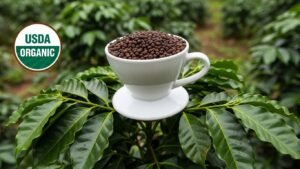
Different countries have different organic standards. Some are stricter than others. A coffee labeled organic in one country might not meet the standards of another country’s organic certification. This is important to understand when evaluating organic coffee claims.
The Environmental Case for Organic Coffee
The primary argument for organic coffee is environmental. Conventional coffee farming often uses synthetic pesticides and fertilizers. These chemicals can contaminate water supplies, harm wildlife, and contribute to environmental degradation.
Organic farming avoids these synthetic chemicals. Instead, organic farmers use natural pest management techniques and organic fertilizers. This is genuinely better for the environment in many cases.
However, the environmental benefits of organic coffee are sometimes overstated. Some organic farming practices can also be environmentally problematic. For example, some organic farms clear-cut forests to create space for coffee plants, which is environmentally destructive even if no synthetic chemicals are used.
The best environmental outcomes come from coffee farms that combine organic practices with shade-growing techniques and forest conservation. Not all organic coffee farms do this, and some conventional farms do.
The Health Argument: Is Organic Coffee Safer?
Many people buy organic coffee because they believe it’s healthier—that it contains fewer pesticide residues and is therefore safer to drink.
This is partially true. Organic coffee does contain lower levels of synthetic pesticide residues than conventional coffee. However, the amount of pesticide residue in conventional coffee is typically very small and well below safety thresholds established by regulatory agencies.
In other words, drinking conventional coffee is not dangerous. The pesticide residue levels are so low that they pose no meaningful health risk. If you’re concerned about pesticide exposure, drinking organic coffee is a reasonable choice, but it’s not necessary for health reasons.
Understanding how coffee bean freshness shapes the entire experience is more important for your health than whether the coffee is organic. Fresh coffee contains more beneficial compounds and fewer compounds that develop during storage. An old, stale conventional coffee is probably less healthy than a fresh, organic coffee.
The Taste Question
Here’s where things get interesting. Many people assume that organic coffee tastes better. But is this actually true?
I tasted dozens of organic and conventional coffees, blind, without knowing which was which. The results were surprising: there was no consistent difference in taste quality between organic and conventional coffees. Some organic coffees were excellent. Some were mediocre. The same was true for conventional coffees.
What determines coffee taste is not whether it’s organic, but rather the quality of the beans, the altitude at which they were grown, the processing method, and the roasting technique. You can find excellent conventional coffee and mediocre organic coffee. You can also find the opposite.
Learning about why some coffees have such different flavors even when they’re from the same region reveals that many factors beyond organic certification affect taste. Altitude, soil, microclimate, processing method, and roasting all matter more than organic status.
The Price Premium
Organic coffee typically costs 20-40% more than conventional coffee. Sometimes the premium is even higher. Is this price difference justified?
The answer depends on what you value. If you’re buying organic primarily for environmental reasons, the price premium might be justified. Organic farming often requires more labor and produces lower yields, which explains some of the price difference.
However, if you’re buying organic because you believe it tastes better or is significantly healthier, you might be overpaying. You could buy excellent conventional coffee at a lower price and get similar taste and health benefits.
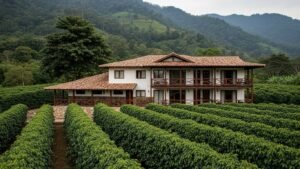
The highest-quality coffees—whether organic or conventional—tend to be expensive because they’re grown at high altitudes, carefully processed, and sourced from specific farms. These coffees command premium prices based on quality, not just organic certification.
The Farmer Perspective
One important consideration is the impact on coffee farmers. Organic certification requires farmers to meet specific standards and often involves certification costs. For small-scale farmers in developing countries, these costs can be significant.
However, organic certification also allows farmers to command higher prices for their coffee. This can be beneficial for farmers who can afford the certification process and who have access to markets that value organic coffee.
The reality is that some farmers benefit from organic certification, while others are better off with conventional farming practices. It’s not universally better or worse for farmers.
Fair Trade vs. Organic
Many people confuse organic certification with fair trade certification. These are different things.
Organic certification addresses how the coffee is grown. Fair trade certification addresses how farmers are compensated and whether labor practices are ethical.
You can have organic coffee that’s not fair trade. You can have fair trade coffee that’s not organic. The best scenario is coffee that’s both organic and fair trade, but this is less common and more expensive.
If you’re concerned about supporting farmers fairly, fair trade certification might be more important than organic certification. Understanding award-winning coffees and what makes them truly special often involves understanding the relationship between the roaster and the farmer, which goes beyond simple organic or fair trade labels.
Conventional Coffee Isn’t Evil
One thing I want to be clear about: conventional coffee farming isn’t inherently evil or dangerous. Many conventional coffee farmers use responsible practices. They use pesticides and fertilizers carefully and responsibly. They care about environmental sustainability.
The distinction between “organic” and “conventional” is not the same as the distinction between “good” and “bad.” There are good conventional farmers and bad organic farmers. There are bad conventional farmers and good organic farmers.
When evaluating coffee, it’s important to look beyond simple labels. Consider the specific farm, the specific roaster, and the specific practices they use.
The Best Approach
If you care about environmental sustainability, supporting farmers fairly, and drinking good coffee, here’s what I recommend:
First, prioritize taste and quality. Buy coffee from roasters you trust who source high-quality beans. Whether the coffee is organic or conventional matters less than whether it’s actually good.
Second, if you have the budget, choose organic when possible. Organic farming is generally better for the environment, and the price premium often supports farmers.
Third, look for additional certifications beyond organic. Fair trade certification, direct trade relationships, and specific farm sourcing all indicate that a roaster cares about sustainability and farmer welfare.
Fourth, consider freshness. Buy from roasters who roast frequently and sell coffee quickly. Fresh coffee is more important than organic certification.
Finally, don’t assume that organic coffee is automatically better. Taste it. Evaluate it. Compare it to conventional coffee. Make your own judgment based on your own experience.
The Marketing Reality
Let’s be honest: organic certification has become a marketing tool. Some roasters emphasize organic certification because it allows them to charge higher prices, not because it’s significantly better.
This doesn’t mean organic coffee is bad. It just means that organic certification is sometimes used as a marketing angle rather than a genuine quality indicator.
When evaluating coffee, look beyond the marketing. Look at the actual practices of the farm and roaster. Look at the quality of the coffee. Make decisions based on your own values and preferences.
Environmental Impact Beyond Organic
If you’re concerned about environmental impact, consider factors beyond organic certification. Shade-grown coffee is better for biodiversity than sun-grown coffee, whether organic or conventional. Direct trade relationships that support farmer sustainability are valuable. Roasters who focus on reducing waste and using sustainable packaging are making a positive impact.
These factors might matter more for environmental impact than organic certification alone.
Conclusion: Organic Coffee Is Good, But Not Automatically Better
Organic coffee has real benefits. It’s generally better for the environment. It contains lower pesticide residues. It often supports farmers who are committed to sustainable practices.
But organic coffee is not automatically better than all conventional coffee. It doesn’t automatically taste better. It’s not necessary for health. And the price premium is not always justified by the quality difference.
The best approach is to buy high-quality coffee from roasters you trust. Whether the coffee is organic or conventional matters less than whether it’s actually good. If you have the budget and values that align with organic farming, choose organic. But don’t assume that organic certification is a guarantee of quality or superiority.
Ultimately, the best coffee is the one you enjoy drinking. Whether it’s organic or conventional, fresh or aged, expensive or affordable—if you like it, that’s what matters most.

Gabriel James is passionate about the world of coffee, with hands-on experience in specialty beans and artisanal brewing. He has worked in local coffee shops and closely observed extraction and service techniques. Today, he uses this blog to share accessible and relevant tips that help beginners understand and better appreciate coffee in their daily lives. His goal is to make learning simple and inspire more people to explore new flavors and methods.