
When I started drinking coffee regularly, I didn’t think much about safety. I just grabbed whatever was available at my local café or supermarket. But after learning about pesticide residues, mold contamination, and inconsistent quality standards, I realized that not all coffee is created equal. Some coffees are genuinely safer and more reliable for daily consumption than others.
If you’re someone who drinks coffee every single day—and let’s be honest, many of us are—the safety and reliability of your coffee matters. You’re consuming this product hundreds of times a year. Small risks add up. That’s when I started researching what makes certain coffees safer and more trustworthy than others.
This guide is the result of that research. I’ve learned what to look for, which certifications actually matter, and which coffee brands and sources are most reliable for daily consumption.
Understanding Coffee Safety Concerns
Before we talk about solutions, let’s understand what we’re protecting ourselves from. Coffee safety isn’t just about taste or freshness—it’s about contaminants and quality control.
The main safety concerns with coffee are pesticide residues, mycotoxins (mold toxins), and heavy metals. Coffee plants are sometimes treated with pesticides, and if not properly processed, coffee beans can develop mold during storage or transport. Heavy metals can accumulate in soil and be absorbed by coffee plants.
These aren’t theoretical concerns. Studies have found pesticide residues in conventional coffee and mycotoxins in poorly stored beans. The good news is that certain coffees and production methods minimize these risks significantly.
Understanding these risks doesn’t mean you should be afraid of coffee. It means you should be informed about which coffees are safer and why.
Organic Certification: What It Actually Means
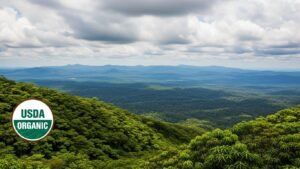
Organic certification is one of the most straightforward ways to reduce pesticide residues in your coffee. Organic coffee is grown without synthetic pesticides or fertilizers, which immediately eliminates one major safety concern.
But here’s what’s important: not all organic certifications are equal. Look for USDA organic certification or equivalent certifications from your country. These standards are actually enforced and require regular inspections.
Organic coffee typically costs more than conventional coffee, but for daily consumption, it’s a worthwhile investment. You’re eliminating a known source of potential contamination from your diet.
The transition to organic farming also often means better soil health and more sustainable practices, which can reduce heavy metal accumulation over time.
Fair Trade and Direct Trade: Beyond Safety
While Fair Trade and Direct Trade certifications aren’t specifically about safety, they often correlate with better quality control and safer production practices. These certifications typically involve closer relationships between buyers and producers, which means more oversight of production methods.
Fair Trade certification includes environmental standards that can reduce pesticide use. Direct Trade relationships often mean the buyer has visited the farm and can verify production practices firsthand.
For daily consumption, coffees with Fair Trade or Direct Trade certification tend to be more reliable because there’s more accountability in the supply chain.
Specialty Coffee Standards: A Proxy for Safety
Specialty coffee—coffee that scores 80 points or higher on the Specialty Coffee Association scale—undergoes rigorous quality testing. This testing includes checking for defects, which can indicate problems like mold or improper processing.
Specialty coffee roasters also typically have stricter quality control standards than mainstream coffee producers. They’re more likely to reject batches that don’t meet their standards.
For daily consumption, choosing specialty coffee is one of the best ways to ensure reliability and safety. You’re not just getting better taste; you’re getting coffee that’s been vetted for quality.
Single-Origin Coffees: Traceability Matters
Single-origin coffees—coffees from a specific farm or region—offer something important: traceability. You can often find out exactly where your coffee came from, how it was grown, and how it was processed.
This traceability is valuable for safety. If there’s ever a problem with a batch, single-origin coffees can be traced back to the source. With blended coffees, this is much harder.
Single-origin coffees also tend to come from roasters who care about their supply chain, which usually means better safety practices throughout.
Reputable Roasters: The Human Element
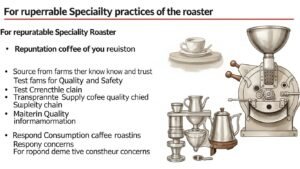
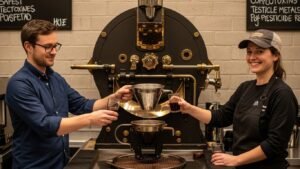
One of the most underrated factors in coffee safety is the reputation and practices of the roaster. A reputable specialty roaster will:
Source from farms they know and trust. Test their coffee for quality and safety. Have transparent supply chain information. Maintain consistent quality standards. Respond to customer concerns.
For daily consumption, choosing coffee from a roaster with a strong reputation is one of the best safety decisions you can make. You’re relying on their expertise and standards.
Freshness and Storage: Often Overlooked
Coffee safety also depends on freshness and proper storage. Mold is most likely to develop in coffee that’s been stored improperly or for too long.
Coffee should be stored in an airtight container away from light, heat, and moisture. Whole beans stay fresh for about 2-4 weeks after roasting. Ground coffee stays fresh for about 1-2 weeks.
For daily consumption, buying whole beans from a roaster with a recent roast date is important. You want coffee that’s fresh enough that mold development is unlikely.
Many specialty roasters print roast dates on their bags, making it easy to choose fresh coffee. If a roaster doesn’t print roast dates, that’s a red flag.
Water Quality: Part of the Safety Equation
While not directly about the coffee itself, water quality affects both safety and taste. If your water contains contaminants, those contaminants end up in your coffee.
For daily consumption, consider your water quality. If you’re concerned about your tap water, using filtered water for coffee is a simple way to ensure you’re not adding contaminants during brewing.
This is especially important if you’re already being careful about coffee safety. There’s no point in choosing the safest coffee if you’re brewing it with questionable water.
Testing and Transparency: The Gold Standard
The safest coffees come from roasters who test their products and are transparent about the results. Some specialty roasters test for mycotoxins, heavy metals, and pesticide residues.
If a roaster has testing results available, that’s an excellent sign. It means they’re confident in their product and willing to back it up with data.
For daily consumption, seeking out coffees from roasters who test and publish results is the gold standard for safety.
Building Your Daily Coffee Routine
For daily consumption, here’s a practical approach to choosing safe, reliable coffee:
Start with specialty coffee from a reputable roaster. Look for organic certification, Fair Trade or Direct Trade certification, or both. Choose single-origin coffees when possible for traceability. Check the roast date and buy whole beans. Store your coffee properly in an airtight container. Use filtered water for brewing.
You don’t need to do all of these things, but combining several of them significantly reduces any safety risks.
The Cost-Benefit Analysis
Choosing safer, more reliable coffee does cost more. Specialty organic coffee can be two to three times the price of conventional supermarket coffee.
But for daily consumption, this cost is worth considering. If you drink one cup of coffee per day, a bag of specialty coffee might cost you $0.50-1.00 per cup. That’s a reasonable investment in your health and safety.
Compare this to other daily purchases—a coffee shop visit costs $4-6 per cup, and you have no idea where that coffee came from or how it was handled.
What About Decaf?
If you’re drinking decaf coffee for safety reasons (like caffeine sensitivity), the same principles apply. Look for organic, specialty decaf coffee from reputable roasters. Decaf should be processed using the Swiss water method or CO2 method, which are safer than chemical solvents.
Decaf safety is just as important as regular coffee safety, especially if you’re drinking it daily.
Making the Transition
If you’re currently drinking conventional supermarket coffee and want to switch to safer options, you don’t need to do it all at once. Start by trying a bag of organic specialty coffee. See how you like it. If you enjoy it, make it your regular choice.
You might find that safer, more reliable coffee also tastes better. Many people discover that once they switch to specialty coffee, they can’t go back to conventional coffee.
Your Daily Coffee Deserves Better
Drinking coffee every day is a choice to consume something regularly. That choice deserves to be an informed one. You deserve to know where your coffee comes from, how it was grown, and that it’s safe.
The good news is that choosing safer, more reliable coffee doesn’t require perfection. It requires awareness and intentional choices. Buy from reputable roasters. Look for certifications that matter. Check roast dates. Store your coffee properly.
These simple steps dramatically improve the safety and reliability of your daily coffee.
I used to grab whatever coffee was on sale without thinking about it. Now I choose coffee intentionally, knowing where it comes from and that it meets safety standards I trust. My daily coffee ritual feels better because I know I’m making a responsible choice.
If you drink coffee every day, I encourage you to think about where it comes from. You deserve coffee that’s not just delicious, but safe and reliable. The options are out there—you just need to know what to look for.
Your daily coffee is worth the effort to choose well.

Gabriel James is passionate about the world of coffee, with hands-on experience in specialty beans and artisanal brewing. He has worked in local coffee shops and closely observed extraction and service techniques. Today, he uses this blog to share accessible and relevant tips that help beginners understand and better appreciate coffee in their daily lives. His goal is to make learning simple and inspire more people to explore new flavors and methods.