
When I first started exploring specialty coffee, I thought I knew the major coffee regions. Colombia, Ethiopia, Brazil—these names appeared on coffee bags everywhere. But then I discovered something surprising: some of the world’s most interesting coffees come from places most Americans have never heard of. These hidden gem regions produce coffees with unique flavor profiles that rival, and sometimes surpass, the well-known producers.
If you’ve been drinking coffee from the same handful of regions, you’re missing out. The coffee world is much bigger and more diverse than most people realize. There are extraordinary coffees being produced in places that barely register on the American coffee radar.
This guide is an invitation to expand your coffee horizons. I’ve discovered some remarkable coffee-producing regions that deserve your attention, and I’m excited to share them with you.
Why Americans Overlook These Regions
Before we dive into the hidden gems, let’s understand why most Americans don’t know about these coffee regions. The answer is simple: market dominance and marketing.
Colombia, Brazil, and Ethiopia dominate American coffee imports because they have established supply chains, large production volumes, and strong marketing. These countries have made it easy for American coffee companies to source coffee, which means their beans end up in most American coffee shops and supermarkets.
Smaller producing countries struggle to compete. They have smaller volumes, less established export infrastructure, and smaller marketing budgets. But this disadvantage for them is an advantage for you: these lesser-known regions often produce exceptional coffee at better prices because they’re not competing on brand recognition.
The specialty coffee movement is changing this dynamic, but slowly. More American roasters are exploring these hidden gem regions, but they’re still not mainstream. That means you have an opportunity to discover coffees that most of your friends haven’t tried yet.
Papua New Guinea: The Overlooked Pacific Producer
Papua New Guinea produces some of the most interesting and underrated coffee in the world. Yet most Americans have never heard of it as a coffee producer.
PNG coffee is grown in the highlands, which gives it similar altitude advantages to other quality coffee regions. The flavor profile is distinctive: earthy, with notes of chocolate and spice. Some PNG coffees develop fruity notes that are surprising and delightful.
The reason PNG coffee is overlooked is partly geographic. Papua New Guinea is remote and has less developed export infrastructure than other producing countries. But this is changing as specialty roasters discover the quality potential.
If you want to try something genuinely different from the usual coffee suspects, PNG coffee is an excellent choice. You’ll find it’s more affordable than some well-known origins, yet offers unique flavor complexity. Many specialty roasters now feature coffees from different regions, including Papua New Guinea, making it easier to explore.
Peru: The Underrated South American Producer
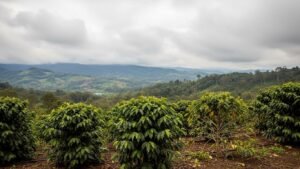
Peru is a major coffee producer, but most Americans associate Peruvian coffee with cheap, bulk coffee. This is a massive misconception. Peru produces excellent specialty coffee that deserves far more attention.
Peruvian coffee, especially from the high-altitude regions, has a balanced flavor profile with notes of chocolate, nuts, and sometimes fruit. The coffee is often smooth and approachable, making it perfect for people who want quality without extreme flavor intensity.
What’s remarkable about Peruvian coffee is the value proposition. You can find exceptional Peruvian specialty coffee at prices significantly lower than comparable coffees from more famous regions. This is partly because Peru hasn’t built the brand recognition that Colombia or Ethiopia has.
Many specialty roasters are starting to feature Peruvian coffees, recognizing the quality and value. If you haven’t explored Peruvian coffee recently, it’s worth revisiting.
Tanzania: The East African Secret
While Kenya and Ethiopia dominate East African coffee awareness in America, Tanzania is quietly producing some of the region’s most interesting coffee.
Tanzanian coffee, particularly from the Kilimanjaro region, has a distinctive flavor profile: bright acidity with notes of berry and citrus. It’s similar in some ways to Kenyan coffee, but often with more complexity and less aggressive acidity.
Tanzania’s coffee is grown on the slopes of Mount Kilimanjaro, which provides ideal altitude and climate conditions. Yet most American coffee drinkers have never tried Tanzanian coffee, simply because it hasn’t been heavily marketed in the US.
The specialty coffee community is increasingly recognizing Tanzanian coffee’s potential. If you enjoy fresh, quality coffee but want to try something slightly different from the usual suspects, Tanzanian coffee is an excellent gateway.
Indonesia: The Misunderstood Asian Producer
Indonesian coffee has a reputation for being earthy and heavy, which leads many specialty coffee enthusiasts to overlook it. But this reputation is based on older processing methods and lower-quality beans. Modern Indonesian specialty coffee is something entirely different.
Contemporary Indonesian coffee, especially from Sumatra and Sulawesi, showcases the potential of Asian coffee production. These coffees have unique flavor profiles: herbal notes, chocolate, sometimes even floral characteristics. The processing methods create coffees that are distinctly different from African and South American origins.
The problem is that Indonesian coffee’s reputation precedes it. Many people assume all Indonesian coffee is heavy and earthy, so they never try the excellent specialty coffees being produced there.
If you’re willing to challenge your assumptions about Indonesian coffee, you’ll discover a whole category of fascinating coffees that most Americans overlook.

Bolivia: The Emerging Producer
Bolivia is an emerging coffee producer that’s starting to gain attention in specialty coffee circles, but most Americans have never heard of Bolivian coffee.
Bolivian coffee is grown at high altitude in the Andes Mountains, which contributes to its quality. The flavor profile is often balanced and smooth, with notes of chocolate and sometimes fruit. Bolivian coffee tends to be approachable and well-rounded.
What’s exciting about Bolivia is that it’s still developing its coffee industry. This means there’s room for innovation and experimentation. Some Bolivian producers are doing interesting things with processing methods and varietals, creating coffees that are genuinely unique.
Because Bolivia is still emerging as a coffee producer, you can find excellent Bolivian specialty coffee at very reasonable prices. This is an opportunity to discover quality coffee before it becomes mainstream and prices increase.
Rwanda: The African Comeback Story
Rwanda has an incredible coffee story. After the devastating civil war in the 1990s, the country has rebuilt its coffee industry from scratch. Today, Rwanda is producing some of Africa’s most interesting specialty coffee.
Rwandan coffee has a distinctive flavor profile: bright acidity with notes of berry, citrus, and sometimes chocolate. It’s similar in some ways to Burundian coffee, but with its own character.
What makes Rwandan coffee special is not just the flavor, but the story. Buying Rwandan coffee supports a country that has worked incredibly hard to rebuild. Many Rwandan coffee farmers are women, and purchasing their coffee directly supports women’s economic empowerment.
Most Americans don’t know about Rwandan coffee, which means it’s still relatively affordable. But as more people discover it, prices will likely increase. Now is an excellent time to explore Rwandan coffee and discover award-winning coffees from this remarkable region.
Nepal: The Himalayan Surprise
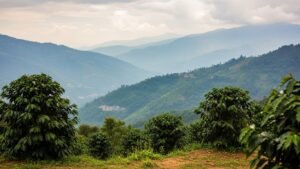
Nepal is not typically thought of as a coffee producer, yet it produces some genuinely interesting coffee. Nepalese coffee is grown in the Himalayan foothills, which provides unique altitude and climate conditions.
Nepalese coffee has a distinctive flavor profile: earthy with notes of spice, sometimes with subtle fruity undertones. It’s different from most other origins, which makes it fascinating for coffee explorers.
The reason most Americans don’t know about Nepalese coffee is simple: it’s a tiny producer. Nepal produces a fraction of the coffee that major producers do. But for specialty coffee enthusiasts, this scarcity is part of the appeal.
How to Find These Coffees
Finding coffee from these lesser-known regions requires a bit more effort than walking into a supermarket, but it’s worth it.
Specialty coffee roasters are your best bet. Look for roasters that feature single-origin coffees and regularly rotate their offerings. Many specialty roasters have discovered these hidden gem regions and feature them regularly.
Online coffee retailers also offer excellent access to coffees from these regions. Many online retailers specialize in sourcing from smaller, lesser-known producers and making their coffees available to American consumers.
Coffee subscription services are another option. Some subscription services focus specifically on sourcing from lesser-known regions and introducing subscribers to new origins.
The key is to seek out roasters and retailers that are actively exploring the coffee world beyond the major producers. These are the people who will introduce you to coffees from Papua New Guinea, Bolivia, Nepal, and other hidden gems. When you find coffee brands worth experiencing, you’ll understand the difference quality makes.
The Adventure of Coffee Exploration
Exploring coffee from lesser-known regions is an adventure. You’re tasting coffees that most people around you have never tried. You’re discovering flavor profiles that might surprise and delight you. You’re supporting coffee farmers in countries that deserve more recognition.
The coffee world is vast and diverse. The well-known regions are well-known for good reason—they produce excellent coffee. But there’s a whole world of coffee beyond Colombia and Ethiopia, waiting to be discovered.
I spent years drinking coffee from the same handful of regions before I realized what I was missing. Once I started exploring lesser-known regions, my appreciation for coffee deepened. I discovered flavor profiles I’d never experienced before. I learned about coffee farming in countries I’d never considered. I found coffees that became my new favorites.
If you’re ready to expand your coffee horizons, start with one of these hidden gem regions. Try a Papua New Guinea coffee. Explore Peruvian specialty coffee. Taste Tanzanian coffee. See what you discover.
Your Coffee Journey Continues
The coffee world is bigger than most people realize. There are extraordinary coffees being produced in regions that barely register on the American coffee radar. These coffees offer unique flavors, excellent value, and the satisfaction of discovering something special.
The next time you’re shopping for coffee, skip the familiar names and try something from one of these hidden gem regions. You might discover your new favorite coffee. You’ll definitely expand your understanding of what coffee can be.
The coffee-producing world is waiting to surprise you. All you have to do is be willing to explore beyond the familiar.

Gabriel James is passionate about the world of coffee, with hands-on experience in specialty beans and artisanal brewing. He has worked in local coffee shops and closely observed extraction and service techniques. Today, he uses this blog to share accessible and relevant tips that help beginners understand and better appreciate coffee in their daily lives. His goal is to make learning simple and inspire more people to explore new flavors and methods.