
If you’ve ever smelled or tasted a cup of coffee and noticed a distinct red fruit aroma, you might have wondered where that flavor comes from. It seems unusual. Coffee comes from beans, not from berries. So how can coffee smell and taste like strawberries, raspberries, or cranberries?
The answer is more complex and fascinating than you might think. The red fruit aroma in coffee is not added artificially. It’s not a flavoring or a chemical compound sprayed on the beans. It’s a natural characteristic that emerges from the coffee beans themselves, influenced by where they’re grown, how they’re processed, and how they’re roasted.
Understanding why some coffees have red fruit aromas can deepen your appreciation for coffee and help you discover new flavors you might love.
The Science Behind Coffee Flavors
Coffee flavor doesn’t come from a single source. It’s the result of hundreds of chemical compounds that develop during the coffee plant’s growth, the harvesting process, and the roasting process.
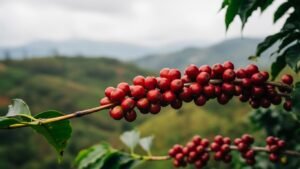
When coffee cherries grow on the coffee plant, they develop sugars and acids. These sugars and acids are influenced by the climate, altitude, soil composition, and rainfall in the region where the coffee is grown. Different regions produce different chemical profiles in the coffee beans.
During the fermentation and drying process, additional chemical compounds develop. These compounds contribute to the flavor profile of the final coffee. The roasting process then triggers chemical reactions that create even more flavor compounds.
The result is that a single coffee bean contains hundreds of different chemical compounds. When you brew coffee, these compounds dissolve into the water, creating the flavors and aromas you experience.
Red fruit aromas come from specific chemical compounds that develop in the coffee beans. These compounds are naturally present in the beans, not added artificially.
Origin and Altitude
One of the primary factors that determines whether a coffee will have red fruit aromas is its origin. Coffee grown in certain regions is more likely to develop red fruit characteristics than coffee grown in other regions.
Ethiopian coffees are particularly known for their red fruit aromas. Ethiopian coffee is often described as having notes of strawberry, raspberry, or blueberry. This is not a coincidence. The specific growing conditions in Ethiopia create the chemical profile that produces these flavors.
Colombian coffees also frequently display red fruit characteristics. The high altitude, rich soil, and specific climate conditions in Colombia’s coffee-growing regions create the conditions for red fruit flavors to develop.
Kenyan coffees are another example. Kenyan coffee is often described as having berry and wine-like notes. These characteristics come from the specific growing conditions in Kenya’s coffee regions.
But it’s not just about the country. Within each country, altitude plays a crucial role. Coffee grown at higher altitudes tends to develop more complex flavors, including red fruit aromas. The cooler temperatures at higher altitudes slow down the ripening process of the coffee cherries, allowing more sugars and acids to develop.
The Role of Fermentation
The way coffee cherries are processed after harvesting significantly influences the final flavor profile. There are several different processing methods, and each one affects the flavors that develop.
The washed process, also known as the wet process, involves fermenting the coffee cherries in water. During this fermentation, microorganisms break down the fruit surrounding the bean. This fermentation process creates chemical compounds that contribute to the flavor profile.
Different fermentation times and temperatures produce different results. Longer fermentation periods can intensify fruity flavors, including red fruit aromas. The specific microorganisms present during fermentation also influence the flavors that develop.
The natural process, also known as the dry process, involves drying the entire coffee cherry before removing the fruit. This process also involves fermentation, but it happens differently than in the washed process. The natural process often produces more intense fruity flavors, including red fruit characteristics.
The honey process, also called the pulped natural process, is a hybrid between the washed and natural processes. It involves removing the outer skin of the cherry but leaving some of the fruit on the bean during drying. This process can produce red fruit flavors.
The specific processing method used can significantly influence whether a coffee will have red fruit aromas.
Roast Level and Red Fruit Aromas
The roast level also plays a role in whether red fruit aromas will be present in the final cup.
Light roasts preserve more of the original flavors from the coffee beans. This means that if the beans have red fruit characteristics, those characteristics will be more pronounced in a light roast.
Medium roasts can also display red fruit aromas, though they may be less pronounced than in light roasts.
Dark roasts tend to mask the original flavors from the beans. The dark roasting process creates new flavors like charcoal, smoke, and burnt sugar. These flavors tend to overpower the red fruit aromas that might be present in the beans.
So if you want to experience the red fruit aromas in coffee, you should look for light or medium roasts. These roast levels will allow the natural red fruit characteristics to shine through.

Specific Red Fruit Flavors
When coffee enthusiasts talk about red fruit aromas in coffee, they’re often referring to specific types of berries and fruits.
Strawberry notes are common in certain Ethiopian coffees. These coffees have a bright, slightly sweet character that reminds people of strawberries.
Raspberry notes are also common, particularly in coffees from certain regions of Ethiopia and Kenya. Raspberry notes tend to be more tart and acidic than strawberry notes.
Blueberry notes appear in some coffees, often from higher altitude regions. Blueberry notes tend to be darker and more subtle than strawberry or raspberry notes.
Cranberry notes are less common but do appear in some coffees. Cranberry notes tend to be more tart and acidic.
Blackberry notes, which are technically from a darker berry, sometimes appear in coffees. These notes tend to be richer and more complex than lighter red fruit notes.
The specific red fruit notes that appear in a coffee depend on the exact combination of origin, altitude, processing method, and roast level.
How to Identify Red Fruit Aromas
If you want to learn to identify red fruit aromas in coffee, there are a few things you can do.
First, smell the coffee before you brew it. Dry coffee beans can have a distinct aroma. If the coffee has red fruit characteristics, you might be able to smell them in the dry beans.
Second, smell the coffee immediately after brewing. The aroma is often more pronounced in freshly brewed coffee than in the final cup.
Third, taste the coffee slowly. Pay attention to the flavors you experience. Notice if there are fruity notes. Try to identify which specific fruits the flavors remind you of.
Fourth, compare different coffees. Taste a coffee with red fruit characteristics next to a coffee without them. This comparison can help you develop your palate and learn to identify red fruit aromas more easily.
Fifth, read the descriptions provided by coffee roasters. Many specialty coffee roasters provide detailed flavor notes for their coffees. These descriptions can help you know what to look for.
The Difference Between Real and Artificial Fruit Flavors
It’s important to understand the difference between natural red fruit aromas and artificial fruit flavorings.
Natural red fruit aromas come from the chemical compounds that develop naturally in the coffee beans. These compounds are present in the beans before roasting. They’re not added artificially.
Artificial fruit flavorings, by contrast, are chemical compounds added to coffee after roasting. These flavorings are not naturally present in the beans. They’re added to create a specific taste.
Many commercial coffee products use artificial flavorings. These products might be labeled as “strawberry flavored coffee” or “raspberry flavored coffee.” These are not the same as coffees with natural red fruit aromas.
If you want to experience natural red fruit aromas, you should look for coffees that are described as having “red fruit notes” or “berry notes” without any mention of added flavorings. Specialty coffee roasters are more likely to offer coffees with natural red fruit characteristics.

Why Red Fruit Aromas Matter
Understanding why some coffees have red fruit aromas can help you make better choices when purchasing coffee.
If you enjoy fruity flavors, you can specifically seek out coffees from origins known for red fruit characteristics. Ethiopian and Kenyan coffees are good places to start.
If you prefer light roasts, you’re more likely to experience red fruit aromas than if you prefer dark roasts.
If you enjoy the washed or natural processing methods, you’re more likely to find red fruit characteristics than if you prefer other processing methods.
By understanding the factors that influence red fruit aromas, you can make more informed decisions about which coffees to try.
Exploring Red Fruit Coffees
If you’re interested in exploring coffees with red fruit aromas, there are several ways to start.
Visit a specialty coffee shop and ask the barista for recommendations. Tell them you’re interested in coffees with red fruit characteristics. They can recommend specific coffees that fit your preferences.
Look for coffees from Ethiopia, Kenya, and Colombia. These origins are known for producing coffees with red fruit aromas.
Try light roasts from these origins. Light roasts will allow the red fruit characteristics to shine through.
Read the flavor notes provided by coffee roasters. Look for descriptions that mention berries, strawberries, raspberries, or other red fruits.
Try different processing methods. Experiment with washed, natural, and honey process coffees to see which ones you prefer.
Coffee bean freshness shapes the entire experience, and this is especially true for coffees with red fruit aromas. Fresh coffee will have more pronounced fruity flavors than old coffee. So make sure to purchase coffee from a roaster that roasts frequently and sells coffee quickly.
The Chemistry of Red Fruit Aromas
For those interested in the chemistry behind red fruit aromas, there are specific chemical compounds responsible for these flavors.
Esters are a class of chemical compounds that are responsible for many fruity aromas in coffee. Different esters produce different fruit flavors. Some esters produce strawberry-like aromas, while others produce raspberry-like aromas.
Aldehydes are another class of compounds that contribute to fruity aromas. These compounds are created during the roasting process and can contribute to red fruit characteristics.
Ketones are yet another class of compounds that influence coffee flavors. Some ketones contribute to fruity aromas.
The specific combination of esters, aldehydes, ketones, and other chemical compounds determines the exact flavor profile of a coffee.
Different origins, altitudes, processing methods, and roast levels produce different combinations of these chemical compounds, resulting in different flavor profiles.
The Joy of Discovery
One of the pleasures of exploring coffee is discovering new flavors. Red fruit aromas are just one example of the complex flavors that can be found in coffee.
By understanding why some coffees have red fruit aromas, you can approach coffee tasting with greater appreciation and understanding. You can recognize that these flavors are not accidental. They’re the result of specific growing conditions, processing methods, and roasting techniques.
When you taste a coffee with red fruit aromas, you’re tasting the result of months of work by farmers, processors, and roasters. You’re tasting the influence of the climate, altitude, and soil where the coffee was grown. You’re tasting the result of careful fermentation and precise roasting.
This understanding can deepen your appreciation for coffee and help you enjoy it more fully.
Seeking Out Red Fruit Coffees
If you’ve never experienced a coffee with natural red fruit aromas, I encourage you to seek one out. Visit a specialty coffee shop and ask for a recommendation. Tell them you’re interested in coffees with fruity characteristics.
Try a light roast from Ethiopia or Kenya. Pay attention to the aroma and flavor. Notice the fruity notes. See if you can identify which specific fruits the flavors remind you of.
You might discover a new favorite coffee. You might discover a flavor profile that you never knew you enjoyed.
The world of coffee is vast and full of flavors waiting to be discovered. Red fruit aromas are just one small part of that world. But they’re a good place to start if you’re interested in exploring the complexity and diversity of coffee.
Understanding your grinder and how to grind properly is also important if you want to fully experience the red fruit aromas in coffee. A quality grinder will ensure that the coffee is ground evenly, which allows the flavors to extract properly.
So take the time to explore. Taste different coffees. Pay attention to the flavors. And enjoy the journey of discovering the red fruit aromas that some coffees naturally possess.

Gabriel James is passionate about the world of coffee, with hands-on experience in specialty beans and artisanal brewing. He has worked in local coffee shops and closely observed extraction and service techniques. Today, he uses this blog to share accessible and relevant tips that help beginners understand and better appreciate coffee in their daily lives. His goal is to make learning simple and inspire more people to explore new flavors and methods.