
The first time I encountered a coffee that smelled like wine, I was genuinely confused. I held the cup closer to my nose, breathing in deeply. The aroma was unmistakable—it had that rich, fruity quality you’d expect from a glass of red wine. But this was coffee. Fresh, unfermented coffee. How was this possible?
I wasn’t imagining it. The coffee really did smell like wine.
This experience led me down a fascinating rabbit hole of coffee chemistry and flavor science. What I discovered was that this wine-like aroma isn’t a mistake or an accident. It’s actually a sign of something very specific happening during the coffee’s development—both in the field and during roasting. Understanding this phenomenon completely changed how I think about coffee.
The Chemistry Behind the Wine Aroma
Coffee beans contain hundreds of different chemical compounds. When these compounds interact with heat, moisture, and time, they create new flavor and aroma compounds. Some of these compounds are naturally present in wine as well, which is why the aromas can seem so similar.
The magic happens during roasting.
As the coffee bean heats up, a process called the Maillard reaction occurs. This is the same chemical reaction that creates the brown color and complex flavors in roasted coffee. During this process, amino acids and sugars in the bean combine to form hundreds of new compounds. Some of these compounds are identical to or very similar to compounds found in fermented beverages like wine.
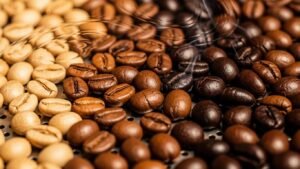
The specific compounds that create wine-like aromas include esters and other volatile organic compounds. These are the same types of molecules that give wine its fruity, floral, and sometimes even slightly funky characteristics. When you smell wine, you’re smelling these compounds. When you smell certain coffees, you’re smelling similar compounds created through a completely different process.
The Role of Coffee Origin and Altitude
Not all coffees develop wine-like aromas equally. The origin of the coffee bean plays a huge role in determining what flavor compounds will develop. Coffees from certain regions naturally have more of the precursor compounds that lead to wine-like aromas.
Altitude matters significantly too.
Coffee grown at higher altitudes develops more slowly. This extended growing season allows the beans to develop more complex sugars and acids. These compounds are the building blocks for the interesting aromas that emerge during roasting. High-altitude coffees from regions like Ethiopia, Kenya, and Colombia are particularly known for developing these wine-like characteristics.
This is why understanding which coffees to avoid when shopping becomes important. Not every coffee will have these wine-like aromas. Knowing what to look for—and what to avoid—helps you find the coffees that match your preferences.
The Processing Method Connection
The way coffee is processed after harvesting also influences the development of wine-like aromas. There are several processing methods: washed, natural, honey, and others. Each method affects how the coffee bean develops its flavors.
Natural process coffees are particularly known for wine-like aromas.
In natural processing, the entire coffee cherry is dried with the bean still inside. This extended contact with the fruit allows more fermentation-like processes to occur. The bean absorbs compounds from the fruit, creating more complex and wine-like flavor profiles. It’s not actual fermentation, but it mimics some of the same chemical processes.
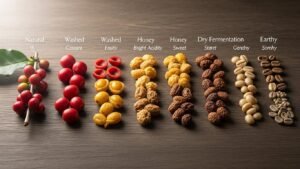
Washed coffees, by contrast, have the fruit removed immediately after harvest. This results in cleaner, brighter flavors that are less likely to have wine-like characteristics. Both are excellent, but they develop different aromatic profiles based on their processing method.
The Roast Level Factor
The roast level you choose also affects how pronounced the wine-like aroma becomes. Light roasts preserve more of the original bean characteristics and the bright, fruity notes that can resemble wine. Medium roasts develop more caramelized sugars and deeper complexity. Dark roasts can sometimes lose some of the delicate wine-like aromas because the higher heat creates different compounds.
It’s a balancing act.
If you’re specifically seeking out wine-like aromas, light to medium roasts from high-altitude origins with natural processing are your best bet. These coffees have had the ideal conditions to develop the precursor compounds, and the roast level preserves those delicate aromas rather than overwhelming them with darker roast flavors.
Why This Matters for Your Coffee Experience
Understanding the chemistry behind wine-like coffee aromas helps you make better choices when buying coffee. You’re no longer just guessing. You understand that when a coffee has a wine-like aroma, it’s not a flaw or an accident. It’s a result of specific growing conditions, processing methods, and roasting decisions.
This knowledge transforms how you experience coffee.
When you smell that wine-like aroma, you can appreciate it for what it is—a complex chemical symphony created by nature and craft. You understand that the farmers, processors, and roasters made deliberate choices that led to this specific aroma profile. You’re not just drinking coffee. You’re experiencing the result of months of careful work.
This is also why knowing which coffees are reliable and safe choices for daily drinking matters. Some wine-like coffees are intense and best enjoyed occasionally. Others are perfectly suited for everyday consumption. Understanding the difference helps you build a coffee routine that works for you.
The Sensory Experience
When you encounter a coffee with wine-like aromas, take a moment to really experience it. Smell it deeply. Notice the specific notes—is it more like red wine, white wine, or something else entirely? Is it fruity, floral, or slightly funky? These details matter.
The aroma is just the beginning.
Once you taste the coffee, you’ll discover that the flavor often matches or complements the aroma. The wine-like notes you smelled might translate to berry flavors, stone fruit, or even subtle wine-like tannins on your palate. This coherence between aroma and flavor is what makes these coffees so interesting and memorable.

A Question Worth Exploring
I’ve learned that the wine-like aroma in coffee isn’t something to be confused about or skeptical of. It’s a genuine characteristic that emerges from the right combination of origin, processing, and roasting. The next time you encounter a coffee with this distinctive aroma, you’ll understand exactly why it smells that way.
Have you ever noticed wine-like aromas in your coffee? I’m curious whether you’ve experienced this before, and if so, what you thought about it. Was it something you enjoyed, or did it seem unusual at first?

Gabriel James is passionate about the world of coffee, with hands-on experience in specialty beans and artisanal brewing. He has worked in local coffee shops and closely observed extraction and service techniques. Today, he uses this blog to share accessible and relevant tips that help beginners understand and better appreciate coffee in their daily lives. His goal is to make learning simple and inspire more people to explore new flavors and methods.