
There’s something deeply human about hand-picking coffee. While most of the world’s coffee is harvested by machines or through strip-picking methods, there’s a small but significant portion of the global coffee supply that’s still harvested the old-fashioned way—one cherry at a time, by human hands. When you understand what goes into hand-picking coffee, you begin to understand why these coffees command premium prices and why coffee enthusiasts will go to great lengths to find them.
It’s not just tradition. It’s precision.
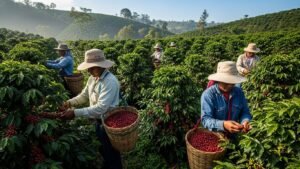
Hand-picking coffee is one of the most labor-intensive agricultural practices in the world. A skilled picker can harvest between 100 and 200 pounds of coffee cherries in a single day. But that’s just the beginning of the story. The real magic happens in the selection process—the ability to choose only the ripest, most perfect cherries while leaving the unripe ones for a later harvest. This selective approach creates a level of quality that machines simply cannot replicate.
The Art of Selective Harvesting
When you hand-pick coffee, you’re not harvesting an entire tree at once. You’re making individual decisions about each cherry. Is this one ripe? Is it the right color? Does it feel right in your hand? These micro-decisions, made thousands of times per day, accumulate into a harvest of exceptional quality.
Machine harvesting doesn’t work this way.
Mechanical harvesters shake the entire tree, collecting both ripe and unripe cherries. This means the final product includes a mix of ripeness levels. While processors can sort out some of the unripe cherries afterward, the damage is already done. The unripe cherries have been bruised and damaged by the mechanical process, affecting the final flavor profile of the coffee.
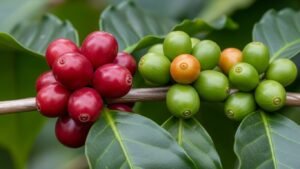
Hand-picked cherries, by contrast, arrive at the processing facility in pristine condition. They haven’t been damaged by machinery. They haven’t been stressed by rough handling. They’re simply ripe, healthy, and ready to become exceptional coffee.
The Economics of Hand-Picking
Hand-picking coffee is expensive. Labor costs in coffee-producing regions have risen significantly over the past two decades. A coffee farm that relies on hand-picking must invest heavily in workers, training, and management. This is why hand-picked coffees cost more. You’re not paying for a luxury—you’re paying for the actual cost of production.
This is where quality truly matters.
The premium price of hand-picked coffee reflects the reality of agricultural economics. When you buy hand-picked coffee, you’re supporting farmers who have chosen to maintain traditional, labor-intensive methods rather than switching to cheaper mechanical harvesting. You’re supporting communities that depend on coffee harvesting as their primary source of income.
This connects directly to understanding what separates good coffee from truly exceptional coffee. Hand-picking is one of the primary factors that creates that difference. When you taste a hand-picked coffee, you’re tasting the result of careful, deliberate choices made during harvest.
The Quality Advantage
The difference between hand-picked and machine-harvested coffee becomes apparent the moment you taste it. Hand-picked coffees typically have cleaner flavor profiles, more vibrant acidity, and greater complexity. This isn’t coincidence—it’s the direct result of selective harvesting.
When only ripe cherries are harvested, the beans inside are fully developed.
Fully developed beans have higher sugar content, more developed flavor compounds, and better overall chemistry. When these beans are roasted, they express their full potential. The flavors are cleaner because there are no unripe, grassy notes. The acidity is brighter because the beans have had time to develop their natural acids. The complexity is greater because the bean has had time to develop hundreds of different flavor compounds.
This is particularly important for people who are sensitive to certain coffee characteristics. Understanding which coffees work best for sensitive palates often leads people to hand-picked coffees. The cleaner flavor profile and lack of off-notes make hand-picked coffees more enjoyable for people who are bothered by the rough edges of lower-quality coffee.
The Sustainability Question
There’s an interesting paradox when it comes to hand-picked coffee and sustainability. On one hand, hand-picking is labor-intensive and requires significant human resources. On the other hand, it’s far more sustainable than mechanical harvesting in many ways.
Mechanical harvesting damages trees.
When you shake a coffee tree with a machine, you’re not just harvesting cherries. You’re damaging branches, stripping leaves, and stressing the plant. Over time, this reduces the tree’s productivity and lifespan. Hand-picking, by contrast, is gentle. Pickers carefully select individual cherries without damaging the tree. A coffee tree that’s hand-picked can remain productive for 30, 40, or even 50 years.
Additionally, hand-picking allows for selective harvesting of only ripe cherries. This means the tree isn’t stripped bare. Unripe cherries are left to mature, and the tree can be harvested multiple times throughout the season as different cherries ripen. This approach is more in harmony with the natural rhythm of the coffee plant.
The Global Hand-Picked Coffee Market
Hand-picked coffee represents a small but growing segment of the global coffee market. It’s estimated that only about 10-15% of the world’s coffee is hand-picked. The rest is harvested through mechanical or semi-mechanical methods. This scarcity is part of what makes hand-picked coffee special.
Certain regions are famous for hand-picking.
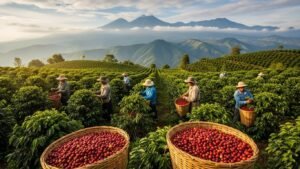
Ethiopia, Colombia, and parts of Central America have strong traditions of hand-picking. These regions have the labor resources and the cultural knowledge to maintain selective harvesting practices. Coffee from these regions commands premium prices because of the hand-picking tradition and the quality that results from it.
How to Identify Hand-Picked Coffee
When you’re shopping for coffee, how do you know if it’s hand-picked? The label should tell you. Look for terms like “hand-picked,” “selective harvest,” or “cherry-picked.” Some coffees will specifically mention the harvesting method as part of their story.
Price is another indicator.
Hand-picked coffees are typically more expensive than machine-harvested coffees. If a coffee is significantly cheaper than similar coffees from the same region, it’s likely been machine-harvested. This doesn’t make it bad coffee—it just means it was produced using different methods.
The best way to understand hand-picked coffee is to taste it. Buy a small amount from a specialty coffee roaster. Compare it side-by-side with a machine-harvested coffee from the same region. You’ll immediately notice the difference in flavor clarity, complexity, and overall quality. Once you’ve experienced the difference, you’ll understand why hand-picked coffee is so highly sought after.
The Human Connection
There’s something special about knowing that your coffee was picked by human hands. When you drink hand-picked coffee, you’re not just drinking a beverage. You’re participating in a tradition that spans centuries. You’re supporting farmers and workers who have chosen to maintain traditional methods in an increasingly mechanized world. You’re tasting the result of careful, deliberate choices made by people who care about quality.
That human connection matters.
It changes how the coffee tastes. It changes what the coffee means. When you know the story behind your coffee—that it was carefully selected by skilled pickers who understood exactly what they were looking for—the coffee becomes more than just a morning beverage. It becomes a moment of connection to a place, a tradition, and the people who made it possible.
Have you ever tried hand-picked coffee before? If so, did you notice a difference compared to other coffees you’ve had? I’m curious whether the story behind hand-picked coffee changes how you experience it, or if it’s purely about the flavor for you.

Gabriel James is passionate about the world of coffee, with hands-on experience in specialty beans and artisanal brewing. He has worked in local coffee shops and closely observed extraction and service techniques. Today, he uses this blog to share accessible and relevant tips that help beginners understand and better appreciate coffee in their daily lives. His goal is to make learning simple and inspire more people to explore new flavors and methods.