
Coffee is far more than a beverage. It is a cultural symbol, an economic force, a creative companion, and a daily ritual that has shaped societies around the world. Yet, the drink we know today—whether it’s a creamy latte, a bold espresso, or a slow-brewed filter cup—did not always look or taste this way. Over the decades, coffee has transformed dramatically, influenced by global trade, technology, lifestyle trends, and shifting cultural values. Understanding this evolution helps us appreciate how a simple bean became one of the most influential beverages in human history.
Below is an in-depth look at how coffee changed through each decade, how people consumed it, and what these transformations reveal about society itself.
1. The Early Foundations: Before the 1900s
Before coffee became a mainstream global drink, it was consumed mainly in the Middle East, North Africa, and parts of Europe. People brewed it in simple pots, often with spices like cardamom. It wasn’t just a drink; it was a medicinal tonic, a social connector, and sometimes even a sacred ritual.
Coffeehouses began appearing in major cities such as Constantinople, Cairo, and later London and Paris. These early spaces were associated with conversation, debate, and creativity. Although the brewing methods were basic, the cultural significance was profound.
2. The Early 20th Century: Coffee as a Household Staple
At the start of the 1900s, coffee became widely available in homes due to:
-
Mass production
-
Roasting advancements
-
The emergence of packaged coffee
People prepared coffee using stovetop pots or percolators, devices that were considered “modern” at the time. For many families, coffee became a symbol of hospitality. Offering a cup to a guest wasn’t just polite—it was expected.
During this period, the flavor was strong, simple, and often bitter. Coffee was associated mostly with adults, especially workers who relied on it for energy during long labor hours.
3. The 1920s–1930s: Innovation and Convenience
In the early 20th century, new inventions transformed coffee consumption:
Instant Coffee
Invented earlier but popularized during this era, instant coffee revolutionized convenience. It gained massive traction because it was inexpensive, lasted longer, and required no equipment.
Coffee in Social Life
During the 1920s, cafés became fashionable gathering spots in big cities. Writers, musicians, and artists made coffee part of their creative lifestyle. In the 1930s, during economic hardship, coffee remained a comfort drink—one of the few affordable pleasures.
4. The 1940s: Coffee Goes to War
World War II marked a turning point in how coffee spread across cultures. Soldiers from various countries were given coffee rations, especially instant coffee, which boosted its popularity dramatically. When these soldiers returned home, they carried the habit with them.
Coffee became associated with:
-
Patriotism
-
Energy
-
A sense of normalcy during uncertain times
Because of wartime shortages, brewing methods varied, and people learned to do more with less.
5. The 1950s: The Rise of at-Home Coffee Culture
The 1950s brought the image many people still associate with “classic coffee culture”: families gathered at breakfast tables, percolators bubbling on the stove, and coffee served at every social event.
The percolator became a design icon of the decade.
During this time, coffee marketing boomed, with advertisements portraying it as:
-
Essential for hospitality
-
A symbol of modern living
-
A household necessity
The taste remained strong and traditional, but the culture around coffee became deeply connected with routine and comfort.
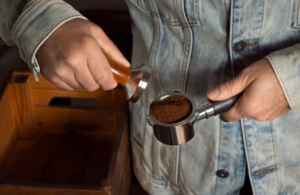
6. The 1960s–1970s: Counterculture and New Brewing Methods
As global travel increased, so did exposure to different coffee traditions.
Espresso Culture Emerges
Italian espresso machines became fashionable in trendy cafés. The younger generation embraced espresso as a rebellious alternative to “boring household coffee.”
Coffee as a Creative Companion
Artists, poets, and students adopted cafés as their second home. Coffeehouses became centers for activism, music, and storytelling.
New Brewing Styles
Pour-over methods, like the Melitta filter, gained popularity, offering a cleaner and more refined taste than percolators.
The passion for flavor—not just convenience—began growing.
7. The 1980s: The Specialty Coffee Revolution Begins
This decade marked one of the biggest transformations in coffee history.
Arabica vs. Robusta Awareness
Consumers started learning about bean types and quality differences.
Birth of Specialty Coffee Shops
New cafés focused on:
-
Bean origin
-
Fresh roasting
-
Unique brewing styles
-
Stronger flavors and aroma
This was the era when coffee shifted from a basic drink to an artisanal experience. People began paying attention not just to how coffee tasted, but to where it came from and who produced it.
8. The 1990s: Coffee Goes Global and Social
The 1990s exploded with coffee culture. Large coffee chains expanded worldwide, making café life accessible to millions.
The Rise of Espresso-Based Drinks
Lattes, cappuccinos, and mochas became mainstream. Coffee was no longer only “hot and black.” It became:
-
Sweeter
-
Creamier
-
Highly customizable
Coffee as a Lifestyle
For many people, visiting a café became a daily ritual. Coffee shops turned into:
-
Workspaces
-
Romantic meeting spots
-
Hangout places for friends
The idea of “grab a coffee” replaced many traditional social invitations.
9. The 2000s: The Third Wave Movement
The early 2000s introduced third wave coffee, a movement treating coffee with the same respect as fine wine. This era emphasized:
-
Single-origin beans
-
Fair-trade sourcing
-
Light roasts for flavor clarity
-
Precision brewing equipment
People became educated coffee consumers. Baristas became skilled professionals, and cafés turned into small laboratories of flavor experimentation.
Cold brew also began gaining popularity due to its smoothness and lower acidity.
10. The 2010s: Technology, Social Media, and New Styles
Technology reshaped how people brewed and consumed coffee.
Home Brewing Innovation
Machines like:
-
AeroPress
-
V60
-
High-end espresso makers
became common in households.
Social Media Influence
Perfectly decorated lattes and minimalist cafés went viral. Coffee turned into an aesthetic symbol—something to post, not just drink.
Global Fusion
Matcha lattes, turmeric coffee, and creative flavor infusions became trendy. Coffee became a playground for experimentation.
11. The 2020s: Sustainability and Personalization
Today, coffee culture continues evolving. The focus is heavily on:
Sustainability
Consumers care more about:
-
Ethical sourcing
-
Environmental impact
-
Recyclable packaging
-
Responsible farming practices
Personal Preferences
People now have endless options:
-
Dairy-free milk
-
Low-acid blends
-
Decaf special roasts
-
Home brewing that rivals café quality
Coffee has shifted from being a uniform product to a deeply personal experience.
Conclusion: A Drink That Evolves With Us
Coffee has changed dramatically over the decades. It went from a simple boiled drink in ancient cultures to an intricate global ritual filled with art, science, emotion, and identity.
Its evolution mirrors humanity’s own changes:
-
How we connect
-
How we work
-
How we express ourselves
-
How we seek comfort and creativity
The transformation of coffee is ongoing. New brewing methods, sustainability movements, and cultural influences will continue shaping how we drink it for generations to come.
One thing, however, remains unchanged:
Coffee continues to bring people together, energize ideas, and enrich our everyday lives.

Gabriel James is passionate about the world of coffee, with hands-on experience in specialty beans and artisanal brewing. He has worked in local coffee shops and closely observed extraction and service techniques. Today, he uses this blog to share accessible and relevant tips that help beginners understand and better appreciate coffee in their daily lives. His goal is to make learning simple and inspire more people to explore new flavors and methods.