
In the modern landscape of conscious consumerism, walking down the coffee aisle can feel like navigating a maze of ethical certifications. You see green leaves, mountain silhouettes, and the ubiquitous “Fair Trade Certified” seal. For the average coffee lover, these symbols provide a sense of comfort—a silent promise that the beans in the bag were produced without exploitation. But as we move further into the “Third Wave” of coffee, where transparency is the ultimate currency, it is essential to look beyond the sticker and understand the complex machinery of global coffee economics.
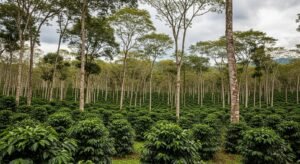
Sustainability in coffee is not a singular concept; it is a three-legged stool consisting of environmental protection, social equity, and economic viability. When you purchase a bag of specialty beans, you are participating in a global supply chain that supports millions of families. However, the path from a high-altitude farm to your kitchen is fraught with challenges. Understanding these challenges is the first step toward becoming a truly informed consumer, ensuring that your daily habit contributes to a future where coffee farming remains a dignified and profitable profession.
The Origins of Fair Trade: A Safety Net for Farmers
The Fair Trade movement was born out of a crisis. Coffee is the second most traded commodity in the world, and its price is determined by the “C-Market” (the New York Coffee Exchange). This market is notoriously volatile, influenced by everything from weather patterns in Brazil to speculative trading by people who have never stepped foot on a farm. When the C-Market price drops below the cost of production, farmers lose money on every pound they harvest, leading to a cycle of poverty, debt, and often the abandonment of farms.
Fair Trade was designed as a social safety net. Its primary mechanism is the “Minimum Price.” When you buy a Fair Trade Certified bag, a portion of that price ensures that the farmer cooperative receives a guaranteed floor price, regardless of how low the global market crashes. Additionally, there is a “Social Premium”—an extra sum of money paid into a communal fund that the farmers themselves vote on how to spend. This money often goes toward building schools, improving local healthcare, or investing in shared processing equipment.
This level of organized support is a key part of The Quick Guide to Not Making Mistakes When Buying Coffee for the First Time in the USA. By choosing certified beans, you are at least ensuring that a basic economic standard is being met. However, as we will see, Fair Trade is just the beginning of the sustainability conversation.
Beyond the Label: The Rise of Direct Trade
While Fair Trade is a fantastic tool for commodity-level coffee, many in the specialty industry argue that it doesn’t go far enough for high-end producers. This led to the creation of “Direct Trade.” In this model, roasters bypass the traditional certification bodies and build personal, long-term relationships with individual farmers.
The beauty of Direct Trade is transparency. A roaster might visit a farm in Ethiopia or Colombia every year, working with the producer to improve quality. In exchange for higher quality (measured by “cup scores”), the roaster pays a price that is often 50% to 300% higher than the Fair Trade minimum. This incentive-based system is what drives the innovation we see in The 10 Coffee Brands Americans Should Experience At Least Once. These brands prioritize the story of the farmer, proving that when farmers are paid what they are truly worth, the quality of the coffee in your cup improves exponentially.
Environmental Sustainability: The Shade-Grown Factor
Sustainability isn’t just about money; it’s about the earth. Historically, coffee was grown under a canopy of native trees (shade-grown). This preserved biodiversity, provided a home for migratory birds, and naturally fertilized the soil through leaf litter. However, during the “technification” of coffee in the late 20th century, many farms moved to “sun-grown” coffee to increase yields. While this produced more beans, it required massive amounts of chemical fertilizers and led to significant deforestation.
Today, many sustainable certifications focus on “Bird-Friendly” or “Rainforest Alliance” standards. These encourage farmers to maintain or replant canopy trees. Shade-grown coffee doesn’t just help the planet; it also improves the coffee. The shade keeps the coffee trees cooler, allowing the cherries to ripen more slowly—a concept we know is vital for flavor development. By protecting the environment, the farmer is also protecting the longevity and taste of their crop.
Imagem2
The Role of Climate Change in Coffee’s Future
We cannot discuss sustainability without addressing the elephant in the room: climate change. Coffee is a sensitive crop. Even a slight increase in average temperature can lead to the spread of “Coffee Leaf Rust” (La Roya), a fungus that can wipe out entire plantations. As temperatures rise, the areas suitable for growing high-quality Arabica are shrinking, moving higher and higher up the mountains.
Sustainable coffee farming now involves “Climate-Smart” agriculture. This includes developing drought-resistant varieties and improving water management systems. For us as consumers, this means that the price of specialty coffee is likely to rise. Supporting sustainable brands is an investment in the survival of the species. If we don’t pay enough for coffee to allow farmers to adapt to these changes, the world of specialty coffee as we know it could disappear within our lifetime.
Economic Sustainability: The Next Generation of Farmers
One of the most overlooked aspects of coffee ethics is the “Average Age” of a coffee farmer. Currently, in many parts of the world, the average farmer is in their 50s or 60s. The younger generation, seeing their parents struggle with poverty and market volatility, is moving to cities in search of better-paying jobs.
For coffee to be truly sustainable, it has to be an attractive career for young people. This requires more than just a “minimum price”; it requires a profit margin that allows for a middle-class lifestyle. When you buy a $20 bag of specialty coffee instead of an $8 grocery store tin, you are helping to make coffee farming a viable profession again. You are funding the technology, education, and infrastructure that will keep the next generation on the farm.
How to Shop Sustainably Without Getting Overwhelmed
With so much information, how can you make the best choice on your next shopping trip? Here is a simple hierarchy to follow:
-
Look for “Roasted On” Dates: Sustainability and quality go hand in hand. Roasters who care enough to put a specific date on the bag usually care enough about where the beans came from.
-
Check for Traceability: Does the bag name the specific farm or washing station? If it just says “Product of Brazil,” it is likely a mass-market blend with little regard for individual farm sustainability.
-
Certifications are a Baseline: Seals like Fair Trade and Rainforest Alliance are great, but they are the floor, not the ceiling. If a roaster explains their “Direct Trade” relationship on their website, that is often even better.
-
Organic Matters: Organic coffee ensures that no synthetic pesticides were used, which protects the health of the farmers and the local water supply.
The Power of Your Purchase
Every time you brew a cup of coffee, you are casting a vote for the kind of world you want to live in. The coffee industry is at a crossroads. We can continue to treat coffee as a cheap, nameless commodity, or we can treat it as the artisanal, labor-intensive fruit that it is.
Sustainability isn’t a destination; it’s a continuous process of improvement. By asking questions, seeking out transparent roasters, and being willing to pay a fair price for excellence, you become an active participant in the survival of coffee culture. Your demand for ethical beans is what forces the industry to change for the better.

FAQs About Coffee Sustainability
-
Is “Fair Trade” the same as “Organic”? No. Fair Trade focuses on the economic and social conditions of the workers. Organic focuses on the chemical-free production of the plant. A coffee can be both, one, or neither.
-
Why is sustainable coffee so much more expensive? Because it accounts for the “true cost” of production. This includes fair wages, environmental protection, and the certifications themselves, which can be expensive for small farmers to obtain.
-
Does “Direct Trade” have an official seal? Not really. Because Direct Trade is based on individual relationships between roasters and farmers, there isn’t one governing body. You have to trust the roaster’s transparency and reporting.
The next time you enjoy your morning ritual, take a moment to think about the journey those beans took. From the shade-grown mountainsides to the hands of a farmer who was paid a dignified wage, the story of your coffee is as important as its taste. By choosing sustainability, you ensure that the “unforgettable” cup of today is still available for the coffee lovers of tomorrow.

Gabriel James is passionate about the world of coffee, with hands-on experience in specialty beans and artisanal brewing. He has worked in local coffee shops and closely observed extraction and service techniques. Today, he uses this blog to share accessible and relevant tips that help beginners understand and better appreciate coffee in their daily lives. His goal is to make learning simple and inspire more people to explore new flavors and methods.