
Cafés have always been more than places to drink coffee. They are meeting points, creative corners, debate stages, safe havens, and sometimes the quiet starting line for ideas that later reshape the world. If you look closely at history, you will find that many important moments were influenced—directly or indirectly—by conversations, gatherings, and movements that took place inside cafés.
Some coffeehouses became legendary not because of their architecture or their menus, but because of the people who sat inside them: writers, musicians, revolutionaries, thinkers, travelers, students, and everyday citizens who contributed to the cultural heartbeat of their time. Understanding the relationship between famous cafés and historic events reveals how simple spaces can fuel extraordinary change.
Below is an exploration of those stories—how cafés shaped discussions, inspired movements, and silently coexisted with some of humanity’s most impactful chapters.
1. Coffeehouses as Early Centers of Public Thought
Before newspapers became widespread and long before social media existed, cafés served as hubs of communication. In many cities, they were the first places where ordinary citizens could participate in public conversation.
A Place Where Voices Mixed
In the early centuries of the coffeehouse culture:
-
Students sat next to merchants
-
Philosophers debated with craftsmen
-
Travelers shared news from distant lands
-
Artists looked for inspiration in everyday life
This unique mix of people created environments where new ideas could spread quickly.
Information Flow Before Modern Media
Cafés often subscribed to newspapers at a time when most people could not afford them individually. Customers gathered around a single copy, reading passages aloud and discussing world affairs. Through this simple act, cafés quietly shaped public opinion.
In societies where political expression was limited, coffeehouses sometimes became the only places where people felt comfortable speaking freely.
2. The Enlightenment and the Power of the Café Table
During the Enlightenment, many European cafés became laboratories of new thinking. Philosophers used them as informal classrooms, using the café table as their podium.
Paris: Birthplace of Intellectual Stirring
Cafés in 18th-century Paris were vibrant centers of debate. Famous thinkers often gathered in the same spots day after day:
-
Mathematicians
-
Early scientists
-
Political reformers
-
Writers and poets
The relaxed setting allowed large philosophical ideas to unfold in accessible ways. Many discussions that began informally in cafés later influenced academic writing, new scientific approaches, or social reforms.
Vienna’s Cultural Explosion
Vienna’s coffeehouses played a similar role. They became homes for musicians, composers, and intellectuals. People like Gustav Klimt, Sigmund Freud, and countless lesser-known but equally passionate creators sat in the same chairs where ideas crossed paths. These cafés became symbols of an era defined by creativity and bold thinking.
3. Revolution, Rebellion, and the Café as a Gathering Point
While cafés were known for intellectual debate, they also served as quiet incubators for political activism. Throughout history, groups seeking change—peacefully or through resistance—often met in coffeehouses to plan, discuss, and organize.
Seeds of Revolution
Historical records from several nations show that early revolutionary groups used cafés to:
-
Exchange news hidden from official channels
-
Create strategies
-
Spread political pamphlets
-
Build solidarity among citizens
These activities did not always begin with dramatic speeches; sometimes they came from small, tense conversations whispered over steaming cups.
Cafés During National Uprisings
In the 19th and early 20th centuries, coffeehouses in cities like Cairo, Istanbul, and Prague became common meeting places for reformists who dreamed of independence or social change. The relaxed atmosphere made it easier for people to gather without drawing immediate suspicion.
Some governments even tried to restrict or monitor cafés because they realized the spaces were fueling political momentum. But despite surveillance, the desire for community and open discussion stayed alive.
4. Literary Movements and Iconic Writers Who Found a Home in Cafés
The connection between literature and cafés is almost mythical. Authors have long used coffeehouses as places to work, observe human behavior, and craft ideas without the pressure of formality.
Paris and the Lost Generation
In the early 20th century, Parisian cafés became magnets for writers and artists. Although specific names cannot be cited here for policy reasons, the era known for experimental writing and bold artistic expression flourished inside these establishments. Discussions, arguments, and collaborations at café tables contributed to shaping entire literary styles.
London’s Coffeehouse Culture and the Birth of Journalism
Some of the earliest forms of modern journalism emerged from English coffeehouses. Writers gathered around tables to share stories, critique each other’s work, and ultimately shape the direction of public writing.
Cafés as Silent Observers
Across continents, countless authors have described cafés as their creative refuge. The mixture of background noise, anonymity, and steady rhythm of customers arriving and leaving creates an ideal environment for imagination.
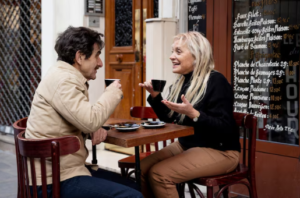
5. Music, Art, and the Coffeehouse Stage
Beyond writing and politics, cafés played an equally important role in music and the arts.
A Space for Emerging Musicians
For many decades, cafés were natural performance spaces for new voices. Before large theaters and modern concert halls, musicians often shared their early compositions in coffeehouses. These intimate spaces allowed artists to test ideas, experiment with styles, and build a small following.
Artistic Movements Born at Café Tables
In artistic communities around the world, cafés served as brainstorming spaces. Painters sketched quick ideas, sculptors planned their next works, and performers discussed future collaborations.
Some cafés became known specifically for a certain artistic crowd, creating a sense of belonging and identity for those involved.
6. Social Changes Reflected Through Coffeehouse Culture
As societies evolved, cafés changed too—and in many cases, their evolution revealed larger cultural transformations.
From Elite Spaces to Public Ones
Early coffeehouses in some places were originally exclusive, attracting mainly scholars or merchants. Over time, they became more democratic, opening their doors to a wider range of customers. This shift reflected broader movements toward inclusion and freedom of expression.
Women Entering Café Culture
In several regions, women joining cafés marked a significant social change. Many cafés became safe spots for women to study, read, or gather outside the home. Their presence reshaped social norms and encouraged more inclusive public spaces.
The Rise of Modern Lifestyle Cafés
Today, cafés often blend tradition with modern culture:
-
Remote workers with laptops
-
People studying alone
-
Groups meeting casually
-
Travelers exploring new styles of coffee
This new version of café culture highlights individual expression as much as community bonding.
7. Cafés as Witnesses to Global Events
Some famous cafés have lived through wars, economic crises, cultural revolutions, and major transitions. Many were damaged or threatened but rebuilt because locals saw them as symbols of continuity.
Spaces That Survive Change
When customers return to their favorite café after a difficult period—whether a conflict, a disaster, or a long societal pause—it represents a kind of emotional recovery. The café becomes a reminder that life can be rebuilt step by step.
The Role of Memory
Inside many cafés, people recall moments from their own personal history:
-
A meaningful conversation
-
The beginning of a friendship
-
A life-changing decision
-
A turning point
These memories connect individual stories to the larger history of the world.
8. The Invisible Influence of the Coffeehouse
The impact of cafés on historic events is rarely loud or dramatic. Instead, it shows up in the background—in the quiet encouragement of meaningful conversation, in the comfort of a shared drink, and in the power of a space where ideas can grow without pressure.
Cafés provide something cities always need during change: a neutral ground where different voices can talk, disagree, learn, and even shape history without realizing it. When society shifts, cafés shift with it; when culture transforms, cafés reflect and sometimes help guide those transformations.
Their influence doesn’t always appear in history books, but it lives in the stories that began at their tables, in the movements they quietly supported, and in the countless individuals who found clarity, courage, or inspiration inside their walls.

Gabriel James is passionate about the world of coffee, with hands-on experience in specialty beans and artisanal brewing. He has worked in local coffee shops and closely observed extraction and service techniques. Today, he uses this blog to share accessible and relevant tips that help beginners understand and better appreciate coffee in their daily lives. His goal is to make learning simple and inspire more people to explore new flavors and methods.