
We’ve all been there. You walk into a coffee shop or browse an online store, and a beautifully designed coffee bag catches your eye. The packaging is stunning. The story is compelling. The price seems reasonable. You buy it.
Then you get home, brew it, and realize the coffee inside doesn’t match the promise of the packaging.
This happens more often than you might think. Coffee companies spend significant money on packaging design because they know it works. A beautiful bag sells coffee. But beautiful packaging doesn’t guarantee beautiful coffee.
Learning to see past the packaging and evaluate what’s actually inside is one of the most important skills you can develop as a coffee buyer.
Why Coffee Companies Invest in Packaging
Before we talk about how to avoid being fooled, let’s understand why companies invest so heavily in packaging in the first place.
Packaging serves multiple purposes. It protects the coffee from light, air, and moisture. It communicates the brand story. It creates an emotional connection with the buyer.
But here’s the thing: the money spent on packaging comes from somewhere. If a company spends $2 on packaging and only $3 on the coffee itself, you’re paying for a $5 bag that contains $3 worth of coffee.
This isn’t necessarily a bad thing. Some companies justify premium pricing with excellent coffee and excellent packaging. But many companies use beautiful packaging to distract from mediocre coffee.
The Red Flags: What to Look For
So how do you know if you’re buying beautiful packaging or beautiful coffee? Here are the red flags to watch for.
No Roast Date
The most important red flag is the absence of a roast date. If a bag doesn’t have a roast date printed on it, don’t buy it. Period.
Coffee starts to lose its flavor within days of roasting. After two weeks, it’s noticeably less fresh. After a month, it’s significantly less fresh.
If a company doesn’t print the roast date, they’re either hiding something or they don’t care about freshness. Either way, it’s a red flag.
Vague Origin Information
Another red flag is vague origin information. “Single-origin” is good. “Ethiopian” is better. “Ethiopian Yirgacheffe, Worka region, washed process, harvested in 2024” is excellent.
If the bag just says “coffee” or “premium blend” without any specific origin information, that’s a red flag. The company might be blending cheap beans with a small amount of quality beans and calling it premium.
Excessive Marketing Language
Be suspicious of excessive marketing language. Words like “artisanal,” “craft,” “small-batch,” and “specialty” are overused in the coffee industry.
These words aren’t necessarily bad. But they’re often used to justify high prices without delivering corresponding quality. If the bag is covered in marketing language but provides no actual information about the coffee, that’s a red flag.
No Brewing Instructions
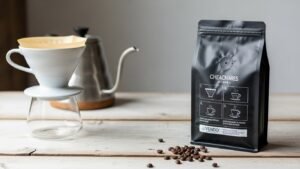
Quality coffee companies provide brewing instructions. They know that coffee quality depends on how it’s brewed, and they want to help you brew it correctly.
If a bag has no brewing instructions, that’s a red flag. The company might not care about your experience, or they might not expect you to brew it well.
The Green Flags: What to Look For
Now let’s talk about the positive signs. What indicates that you’re buying quality coffee?
Clear Roast Date
A clear roast date is the most important green flag. If the company is proud enough to print the roast date, they’re confident in their freshness.
Buy coffee roasted within the last month. Ideally, buy coffee roasted within the last two weeks.
Detailed Origin Information
Detailed origin information is a green flag. The more specific the information, the more likely the company cares about quality.
Information like “Ethiopian Yirgacheffe, Worka region, washed process, natural fermentation, altitude 1900-2100m” tells you the company knows their coffee and cares about transparency.
Honest Pricing
Honest pricing is a green flag. Quality coffee costs more than cheap coffee, but it shouldn’t cost $30 per pound unless it’s genuinely exceptional.
If a coffee is priced reasonably for its quality level, that’s a green flag. The company is making a fair profit without relying on packaging to justify inflated prices.
Brewing Instructions
Brewing instructions are a green flag. If the company provides specific brewing instructions, they care about your experience.
Instructions like “grind medium-fine, use 1:16 coffee-to-water ratio, brew at 195-205°F for 3-4 minutes” show that the company has tested their coffee and wants you to experience it at its best.
Tasting Notes
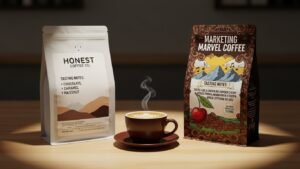
Tasting notes are a green flag if they’re honest. “Chocolate, caramel, and hazelnut” is reasonable. “Tastes like a chocolate-covered cherry picked from a mountain in Ethiopia while listening to jazz” is probably exaggerated.
Honest tasting notes help you understand what to expect. Exaggerated tasting notes are just marketing.
How to Evaluate Coffee Beyond the Packaging
Once you’ve identified potential red and green flags, how do you actually evaluate the coffee?
Ask Questions
Ask the coffee company or the barista questions. How fresh is the coffee? Where exactly is it from? How is it processed? What brewing method do they recommend?
A company that’s proud of their coffee will be happy to answer these questions. A company that’s hiding something will give vague answers.
Buy Small Amounts First
Don’t commit to a full bag until you’ve tried a small amount. Ask if you can buy a half-pound or a sample.
Many specialty coffee roasters will sell small amounts because they’re confident in their quality. If a company won’t sell you a small amount, that’s suspicious.
Trust Your Palate
Ultimately, trust your own palate. If you like the coffee, it’s good coffee for you. If you don’t like it, it’s not good coffee for you.
Don’t let marketing language or packaging design influence your judgment. Taste the coffee and make your own decision.
Compare Prices
Compare prices across different roasters. If one roaster is charging significantly more than others for similar coffee, ask yourself why.
Sometimes the higher price is justified by superior quality or exceptional service. Sometimes it’s just premium pricing based on brand reputation or beautiful packaging.
The Real Cost of Beautiful Packaging
Here’s something to think about: when you buy coffee with beautiful packaging, you’re paying for that packaging.
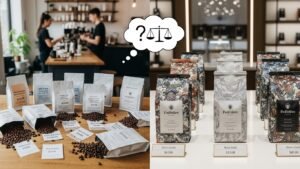
A simple kraft paper bag costs less than a fancy foil-lined bag with a custom design. If two coffees are the same quality, but one has beautiful packaging and one has simple packaging, the beautiful one will cost more.
Is that extra cost worth it to you? That’s a personal decision. But you should be aware that you’re making it.
Some people love beautiful packaging and don’t mind paying for it. That’s fine. But don’t confuse beautiful packaging with beautiful coffee.
Making Smart Choices
The key to not being fooled by pretty coffee packaging is to look beyond the package and evaluate what’s actually inside.
Check for a roast date. Look for detailed origin information. Read the brewing instructions. Ask questions. Buy small amounts first. Trust your palate.
These simple steps will help you avoid overpaying for mediocre coffee in beautiful packaging. They’ll also help you discover quality coffee that might come in simple packaging.
The best coffee isn’t always the most beautiful. Sometimes it’s the coffee in the plain kraft paper bag from the local roaster who focuses on quality over marketing.
Your Coffee Purchasing Journey
Start paying attention to packaging. Notice which bags have roast dates and which don’t. Notice which bags provide detailed information and which provide vague marketing language.
Pay attention to freshness and how it affects your experience.
Over time, you’ll develop an intuition for quality coffee. You’ll be able to walk past the beautiful packaging and identify the truly excellent coffee.
And when you find quality coffee in beautiful packaging, you’ll know you’re getting both quality and aesthetics. That’s the best of both worlds.
Explore different brands and packaging styles to find what works best for you. Your morning coffee will be better for it.

Gabriel James is passionate about the world of coffee, with hands-on experience in specialty beans and artisanal brewing. He has worked in local coffee shops and closely observed extraction and service techniques. Today, he uses this blog to share accessible and relevant tips that help beginners understand and better appreciate coffee in their daily lives. His goal is to make learning simple and inspire more people to explore new flavors and methods.