
One of the most fascinating things about coffee is how a simple bean can produce such an astonishing variety of flavors. You might brew one cup and taste chocolate and caramel, while another bursts with berries, tropical fruits, or delicate floral aromas. To someone unfamiliar with specialty coffee, these descriptions might sound exaggerated or even imaginary. But they’re real—and understanding where they come from makes coffee appreciation even richer.
Coffee beans don’t have added flavorings (at least not in the world of pure specialty coffee). The incredible diversity of tastes comes naturally, shaped by genetics, environment, processing, and roasting. Every flavor note represents a chapter in the bean’s journey, from seed to cup.
In this article, we’ll explore how coffee beans develop notes of chocolate, fruits, and flowers—and why each stage of their development influences the final experience in your mug.
The Foundation: Coffee Genetics and Varietals
Just like apples or grapes, coffee comes in many varietals. Each varietal has its own genetic predispositions, which set the stage for potential flavor outcomes.
Common varietals and their tendencies:
-
Bourbon: Sweet, balanced, often chocolatey
-
Typica: Clean, mild, and subtly floral
-
Gesha (Geisha): Highly floral and aromatic
-
Caturra: Sweet, bright, and citrusy
-
Ethiopian heirloom varieties: Fruity, floral, complex
These genetic patterns don’t guarantee specific flavors, but they increase the likelihood that certain notes will appear under the right conditions.
Just as a Chardonnay grape tastes different from a Cabernet Sauvignon, coffee varietals express different personalities.
Growing Environment: Terroir Shapes the Bean
The environment in which coffee grows—known as terroir—plays a huge role in flavor development. Factors like altitude, soil composition, climate, rainfall, and biodiversity can dramatically affect the bean’s chemistry.
1. Altitude
High altitudes slow down coffee cherry maturation. Slower development creates more complex sugars, acids, and aromatic compounds.
-
High altitude → fruity, floral, bright acidity
-
Lower altitude → chocolaty, nutty, smooth
This is one reason Ethiopian and Colombian high-altitude coffees often taste vibrant and fruity, while Brazilian lower-altitude coffees lean toward chocolate and nuts.
2. Soil Composition
Minerals in the soil influence sweetness, acidity, and flavor clarity.
-
Volcanic soils (Guatemala, Hawaii) often produce clean, sweet coffee.
-
Iron-rich soils (Kenya) contribute to intense fruity flavors.
3. Climate
Temperature fluctuations affect how cherries grow. Warmer climates produce simpler flavors, while cooler conditions create more layered profiles.
4. Shade and Biodiversity
Shade-grown coffee tends to mature slower, resulting in more nuanced flavors. The surrounding vegetation also impacts the microclimate, subtly shaping flavor compounds.
Processing: The Stage Where Flavors Transform
After coffee cherries are harvested, they must be processed. This step is one of the biggest determinants of flavor, often more influential than origin.
1. Washed Process
Cherries are de-pulped and fermented to remove fruit mucilage, then washed clean.
Flavor results:
-
Clean, bright, citric acidity
-
Floral and tea-like notes
-
Minimal fruit sweetness
Washed coffees highlight the bean’s pure characteristics without influence from the fruit.
2. Natural (Dry) Process
Cherries dry with the fruit still attached, similar to raisins drying under the sun.
Flavor results:
-
Intense fruitiness (blueberry, strawberry, tropical fruit)
-
Wine-like sweetness
-
Heavy body
This process is responsible for many of the world’s most fruit-forward coffees.
3. Honey Process
Fruit mucilage is left on the bean during drying, producing a range of sweetness levels.
Flavor results:
-
Balanced fruitiness
-
Caramel-like sweetness
-
Medium body
Honey processing provides a middle ground between washed and natural.
4. Anaerobic Fermentation & Experimental Methods
Coffees are fermented in sealed tanks without oxygen. Other experimental methods include carbonic maceration and controlled fermentation stages.
Flavor results:
-
Extremely fruity, sometimes funky profiles
-
Tropical fruit, bubblegum, or floral explosions
-
Enhanced sweetness and complexity
These methods shape some of the most unique and talked-about specialty coffees.
Roasting: The Art of Unlocking Flavor Potential
Even the best-grown and best-processed coffee can fall flat if poorly roasted. Roasting determines how flavor compounds are developed, caramelized, transformed, or preserved.
How roasting creates chocolate notes
Chocolate-like flavors come from caramelization and Maillard reactions that occur during medium to dark roasts. Amino acids and sugars interact to develop:
-
Cocoa
-
Dark chocolate
-
Caramel
-
Toasted nuts
That’s why many Latin American coffees, especially from Brazil or Peru, taste naturally chocolaty—they have the right compounds, and roasting enhances them.
How roasting enhances fruity notes
Light roasts preserve the organic acids and fruit-like esters formed during growth and processing. Roasters carefully control temperature to avoid burning delicate flavors.
Fruit notes might include:
-
Peach
-
Berry
-
Citrus
-
Tropical fruit
These flavors shine brightest in lightly roasted African coffees.
How roasting brings out floral notes
Floral aromatics are extremely delicate. They survive only in light roasts and require precise control.
Floral notes may include:
-
Jasmine
-
Bergamot
-
Rose
-
Honeysuckle
Gesha coffees, for example, are prized for their intense floral aromas, which vanish if roasted too dark.
Why Coffee Naturally Has These Flavors
Coffee contains more than 800 aromatic compounds, many shared with fruits, flowers, herbs, and chocolate. This is why coffee can taste like these things without any flavor additives.
Here’s how these notes develop naturally:
-
Esters → fruity aromas
-
Lactones → creamy or coconut-like notes
-
Ketones → floral notes
-
Pyrazines → nutty or chocolatey flavors
-
Phenols → tea-like qualities
These compounds exist in minuscule amounts but create powerful sensory impressions.
When you taste blueberry in Ethiopian coffee, it doesn’t mean the coffee contains blueberry—it contains the same aromatic molecules found in blueberries.
From Seed to Cup: How Each Stage Adds Flavor
Let’s recap how each step contributes to chocolate, fruity, or floral flavors:
Before roasting (pre-cup flavor development):
-
Variety → sets the potential
-
Soil and altitude → influence acidity and sweetness
-
Climate → shapes maturation
-
Processing → determines fruitiness vs clarity
During roasting:
-
Light roast → preserves fruit and floral notes
-
Medium roast → balances sweetness and aroma
-
Dark roast → caramelizes sugars into chocolate-like notes
During brewing:
Even your brewing method can highlight or mute certain notes.
-
Pour-over: clarity, florals, fruits
-
Espresso: chocolate, caramel, intensity
-
French press: body, richness, earthy notes
Everything matters—even water quality.
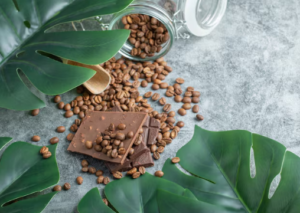
Why Some Coffees Taste More Fruity, Chocolatey, or Floral Than Others
Several combinations explain why certain coffees lean strongly toward specific flavor families:
Chocolatey coffees:
Often come from:
-
Brazil, Colombia, Peru
-
Lower altitude farms
-
Washed processing
-
Medium roasting
These coffees taste familiar, cozy, and smooth.
Fruity coffees:
Common in:
-
Ethiopia, Kenya, Rwanda
-
High-altitude farms
-
Natural or anaerobic processing
-
Light to medium roasts
These coffees feel vibrant and lively.
Floral coffees:
Usually found in:
-
Panama (Gesha)
-
Ethiopia (heirloom varietals)
-
Very high-altitude regions
-
Washed or experimental processing
-
Light roasting
These coffees are delicate, aromatic, and highly prized.
Why Understanding Flavor Notes Improves Your Coffee Experience
Knowing how flavors develop does more than educate your palate—it connects you to the entire journey of coffee production.
You start appreciating:
-
The farmers who cared for the plants
-
The processors who experimented with fermentation
-
The roasters who delicately shaped the profile
-
The natural beauty of the bean’s chemistry
And suddenly, your morning cup becomes a story rather than a routine.
Final Thoughts: The Beautiful Complexity Behind Every Flavor Note
Chocolate, fruity, and floral notes don’t appear in coffee by accident. They are the result of a long, intricate journey shaped by nature, craftsmanship, and chemistry. From the bean’s genetics to the environment that nourished it, from the processing choices to the final roasting style, every decision influences what ends up in your cup.
The next time you sip a coffee with berry sweetness, cocoa richness, or jasmine-like perfume, remember that you’re tasting the product of a global collaboration—of landscapes, hands, traditions, and scientific transformations.
Coffee is more than a drink; it’s a world of flavors waiting to be explored, one cup at a time.

Gabriel James is passionate about the world of coffee, with hands-on experience in specialty beans and artisanal brewing. He has worked in local coffee shops and closely observed extraction and service techniques. Today, he uses this blog to share accessible and relevant tips that help beginners understand and better appreciate coffee in their daily lives. His goal is to make learning simple and inspire more people to explore new flavors and methods.