
Coffee is one of the few products in the world that can be evaluated long before tasting. Experts can often predict the quality of a coffee simply by smelling it or observing the color of the beans or brew. While professional cuppers use formal techniques, anyone—even beginners—can learn to identify a good coffee through aroma and color alone.
This skill is not only useful for choosing better beans but also for understanding your own preferences. Coffee is incredibly diverse, and being able to analyze it with your senses gives you more control over the experience. And the good news is: you don’t need expensive tools to start. Your nose, your eyes, and a little curiosity are enough.
This article goes deep into the world of sensory coffee evaluation, explaining how aroma and color reveal freshness, roasting quality, flavor potential, and overall bean health.
1. What Aroma Says About Coffee Quality
Aroma is one of the most telling signs of a coffee’s quality. Before taking a sip, the scent already reveals much about the bean’s origin, freshness, processing method, and roast level.
Good coffee has an aroma that feels alive—complex, layered, distinct. Poor-quality coffee usually smells dull, burnt, flat, or even sour.
Let’s explore the key aroma categories found in quality coffee.
1.1 Freshness: The First Indicator
Fresh coffee smells vibrant. The moment you open the bag, you should feel a burst of fragrance—not just a faint scent.
Signs of fresh coffee aroma:
-
Strong but pleasant smell
-
Clean and defined notes
-
No stale or cardboard-like aroma
Coffee loses much of its aroma within weeks after roasting. If the smell is muted, the beans may be old.
1.2 Natural Aromas from the Coffee Itself
High-quality coffee carries natural aromas based on its origin and processing. These can include:
Fruity notes
Found in many African coffees and natural-processed beans:
-
Blueberry
-
Strawberry
-
Peach
-
Citrus
These scents indicate complex sugars and high-quality fruit development inside the bean.
Floral notes
Common in Ethiopian and some Central American coffees:
-
Jasmine
-
Lavender
-
Rose
Floral aromas often come from high-altitude beans with elegant acidity.
Sweet notes
Associated with fully ripe cherries:
-
Caramel
-
Honey
-
Brown sugar
-
Chocolate
These notes suggest properly harvested and well-processed beans.
Nutty or toasted notes
Usually found in medium roasts:
-
Almond
-
Hazelnut
-
Walnut
These aromas typically mean the roast preserved the coffee’s natural sugars.
1.3 Unpleasant Aromas: Signs of Low Quality
Bad coffee often announces itself through problematic smells.
Stale or cardboard smell
Indicates:
-
Old beans
-
Poor storage
-
Oxidation
Burnt or ashy smell
Suggests:
-
Over-roasting
-
Low-quality beans disguised with dark roasting
Fermented or sour smell
Often caused by:
-
Poor processing
-
Defects in the fruit
-
Mold or improper drying
Rubbery or chemical scent
Typical in low-grade Robusta or industrial coffees.
If the aroma is unpleasant before brewing, it will be even worse in the cup.
2. What the Color of the Beans Reveals
Color is one of the easiest ways to evaluate coffee quality, even without opening the bag. Different roast levels produce different colors, but within each category, there are signs of health and consistency.
2.1 Ideal Bean Color Based on Roast Level
Coffee beans naturally change color as they are roasted. However, good-quality beans always have uniformity in color.
Light roast
Color: Light brown or cinnamon
What it indicates:
-
Preserved acidity
-
More origin-specific flavors
-
Higher complexity
Light roasts are common in specialty coffee because they highlight the bean’s character.
Medium roast
Color: Brown with a dry surface
Indications:
-
Balanced acidity and sweetness
-
Versatility
-
Popular for daily drinkers
A medium roast should still show uniformity and no oiliness.
Dark roast
Color: Dark brown to almost black
Characteristics:
-
Oils often visible on the surface
-
Strong, smoky notes
-
Lower acidity
Dark roasts should still look even; patchy or burnt-looking beans suggest poor roasting.
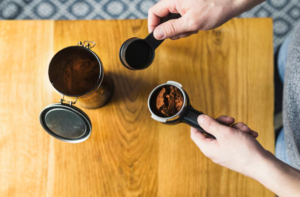
2.2 What Bad Bean Color Looks Like
The color of coffee can also reveal defects.
Uneven coloration
Possible causes:
-
Uneven roasting
-
Mixed beans of different qualities
-
Defective beans that roast differently
Yellowish or pale beans
These often indicate:
-
Immature coffee cherries
-
Poor drying
-
Lack of density
These beans are weak in flavor and produce flat cups.
Black or charred spots
Signs of:
-
Scorching during roasting
-
Defects inside the bean
-
Excess heat in the roaster
White patches or dull-gray appearance
Could indicate:
-
Mold exposure
-
Too much moisture
-
Poor storage conditions
Color changes tell a longer story than you might expect.
3. Evaluating the Coffee After Grinding
Grinding releases aromas hidden inside the bean. This is often the moment when the true quality becomes clear.
Freshly ground high-quality coffee smells:
-
Strong and layered
-
Bright and expressive
-
Clean and consistent
Low-quality ground coffee smells:
-
Flat
-
Stale
-
Harsh or sour
-
Similar to old wood or burnt rubber
The burst of aroma after grinding should feel alive, not heavy or dull.
4. The Color of Brewed Coffee: Another Important Clue
The color of the brewed coffee itself can tell you even more about quality. Although different brewing methods produce different shades, there are general guidelines.
Light roast brew
Color: Light amber to golden brown
Meaning:
-
High clarity
-
Good filtration
-
Lively acidity
Medium roast brew
Color: Rich amber to medium brown
Meaning:
-
Balanced extraction
-
Full flavor
Dark roast brew
Color: Deep brown
Meaning:
-
Strong body
-
Intense flavors
However, excessively dark or opaque brews can mean over-extraction or poor grinding.
5. Why Aroma and Color Work Better Together
Aroma alone can signal quality, but combining it with color gives a complete understanding.
Fresh aroma + uniform color:
Likely a very good coffee.
Great aroma + uneven color:
Possibly inconsistent roasting.
Weak aroma + dark, oily color:
Probably over-roasted or old coffee.
Strange aroma + pale beans:
Indicates defects or low-grade cherries.
Together, aroma and color tell a full story of:
-
Freshness
-
Roast profile
-
Processing method
-
Bean quality
-
Storage conditions
6. Simple Steps to Identify Good Coffee at Home
Anyone can learn this skill with practice. Try these steps:
✔ Step 1: Smell the beans before grinding
Look for clarity, sweetness, or distinct notes.
✔ Step 2: Examine the color
Check for uniformity and healthy tones.
✔ Step 3: Grind a small portion
The burst of aroma should be vibrant.
✔ Step 4: Smell during brewing
A good coffee smells better as it brews.
✔ Step 5: Observe the brewed color
Look for brightness and clarity instead of murkiness.
✔ Step 6: Practice with different origins
Comparing regions sharpens your senses quickly.
7. Final Thoughts
Being able to identify a good coffee by aroma and color is one of the most enjoyable parts of appreciating this beverage. Over time, you’ll notice patterns: certain aromas belong to certain regions, and specific colors correspond to specific roast traits. Your nose and eyes will teach you to understand quality long before the first sip.
This sensory awareness turns every cup of coffee into a more personal and satisfying experience—one where you are not just drinking but exploring, comparing, and discovering.

Gabriel James is passionate about the world of coffee, with hands-on experience in specialty beans and artisanal brewing. He has worked in local coffee shops and closely observed extraction and service techniques. Today, he uses this blog to share accessible and relevant tips that help beginners understand and better appreciate coffee in their daily lives. His goal is to make learning simple and inspire more people to explore new flavors and methods.