
There’s something oddly satisfying about proving yourself wrong. Last spring, I walked into a big-box electronics store with zero expectations and a modest budget. I’d been drinking specialty coffee for months by then, convinced that a quality machine was absolutely essential. But that day, I decided to challenge my own assumptions. I grabbed one of those budget coffee makers on the shelf—the kind that costs less than a nice dinner for two—and headed to the checkout.
My friends thought I was crazy. They’d watched me spend months exploring third-wave coffee shops, learning about single-origin beans, and investing in quality grinders. Now I was about to brew coffee with what they called “the plastic wonder machine.” But I had a hunch. I wanted to understand whether the coffee itself mattered more than the equipment, or if I’d simply been fooling myself all along.
What followed was one of the most enlightening weeks of my coffee journey. Not because the machine was great—it wasn’t. But because it taught me something fundamental about what really matters when you’re brewing your morning cup.
The Machine That Defied Expectations
The first morning, I filled the reservoir with filtered water and grabbed a bag of beans from my favorite local roaster. I’d been paying attention to how coffee should be prepared, so I ground the beans fresh, set the machine to brew, and waited. The smell was unmistakable—that rich, inviting aroma that fills your kitchen and makes you forget about whatever else is happening that day.
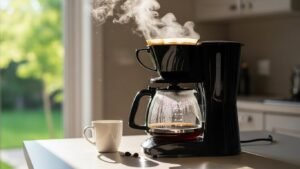
The cup that emerged was… actually pretty good. Not exceptional, not transcendent, but genuinely drinkable. I was surprised. I’d expected something closer to burnt water, but what I got was a solid, reliable cup of coffee. The machine had its limitations—no temperature control, no fancy features—but it did the fundamental job without complaint.
Over the next few days, I experimented. I tried different beans, different grind sizes, different water temperatures. Each variable made a difference, and I realized something important: the quality of the input mattered far more than the sophistication of the equipment. When I used fresh, high-quality beans ground properly, even this humble machine produced something worth drinking. When I used stale supermarket coffee, no amount of fancy equipment would have saved it.
What the Budget Machine Taught Me
This experience shifted my perspective in ways I hadn’t anticipated. I’d been so focused on the ritual and the equipment that I’d sometimes overlooked the most obvious truth: good coffee starts with good beans. It sounds simple, almost obvious, but living it is different from knowing it intellectually.
The cheap machine had no pretense. It couldn’t hide behind technology or complexity. It forced me to pay attention to the fundamentals—water quality, bean freshness, grind consistency. These are the things that actually determine whether your coffee tastes good, regardless of what machine you’re using. This realization connects directly to understanding how coffee brings people together, because when you focus on the quality of the beans rather than the prestige of the equipment, you’re free to share great coffee with anyone, anywhere.
The Real Cost of Coffee
Here’s what surprised me most: I wasn’t spending less money overall. The cheap machine cost thirty dollars, but I found myself buying more premium beans to make up for the equipment’s limitations. I was investing in quality at the source rather than in the machinery. By the end of the month, I’d probably spent the same amount I would have on a mid-range machine, but I’d learned infinitely more.
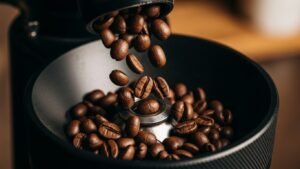
I also discovered that I was enjoying my coffee more, not less. Without the distraction of fancy features, I was actually present during the brewing process. I could smell the beans as they brewed, listen to the water drip, watch the color develop. It became meditative rather than automatic. The machine’s simplicity forced a kind of mindfulness that I’d lost somewhere in my pursuit of the perfect setup.
This led me to explore what makes award-winning coffees truly special, and I realized that the recognition comes from the beans themselves, not from how they’re brewed. A championship coffee tastes remarkable whether it comes from a fifty-dollar machine or a five-hundred-dollar espresso setup.
The Unexpected Verdict
After that week, I didn’t throw away my nice grinder or abandon specialty coffee. Instead, I gained a new appreciation for what actually matters. The cheap machine is still in my cabinet. I don’t use it every day—I’ve upgraded to something more reliable—but I keep it as a reminder.

The lesson wasn’t that expensive equipment is unnecessary. It’s that equipment is secondary. A better machine can make good coffee more consistently, more efficiently, and with less fuss. But a cheap machine can make good coffee too, if you’re willing to pay attention to what matters. The real investment in coffee isn’t in the machine—it’s in understanding beans, freshness, and the simple pleasure of taking time to brew something worth drinking.
If you’re just starting your coffee journey and worried about the cost of entry, don’t be. A budget machine and quality beans will teach you more than an expensive setup and mediocre coffee ever could. Start simple. Learn the fundamentals. Then, if you want to upgrade, you’ll do it from a place of knowledge rather than assumption.
Feel free to share your own coffee machine story in the comments below.

Gabriel James is passionate about the world of coffee, with hands-on experience in specialty beans and artisanal brewing. He has worked in local coffee shops and closely observed extraction and service techniques. Today, he uses this blog to share accessible and relevant tips that help beginners understand and better appreciate coffee in their daily lives. His goal is to make learning simple and inspire more people to explore new flavors and methods.