
If you have spent any time browsing the shelves of high-end roasteries recently, you might have noticed a new term appearing on coffee bags that sounds more like a chemistry experiment than a morning beverage: “Anaerobic Fermentation.” For decades, the way we processed coffee was relatively straightforward—we either washed it, left it to dry in the sun as a natural, or did something in between like a honey process. But the specialty coffee world never stands still, and this new frontier of processing is fundamentally changing what we expect coffee to taste like.
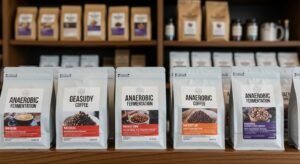
Anaerobic fermentation is not just a trend; it is a revolution in flavor manipulation. It represents a shift from simply “growing” coffee to “designing” coffee. By controlling the environment in which the coffee fruit ferments, producers are now able to unlock wild, exotic, and intense flavor profiles that were previously thought impossible. We are talking about coffees that taste like cinnamon, tropical fruit punch, sparkling wine, or even creamy yogurt. To understand why this matters, we have to look at the microscopic level of how coffee flavor is born.
What Does “Anaerobic” Actually Mean?
The word “anaerobic” literally means “without oxygen.” In traditional coffee processing, fermentation happens in open-air tanks or on drying beds where oxygen is plentiful. During this time, wild yeasts and bacteria break down the mucilage (the sticky sugars) surrounding the coffee bean. Because the environment is open to the atmosphere, the process is somewhat unpredictable and influenced by the local weather, humidity, and the specific microbes floating in the air.
In anaerobic fermentation, the coffee cherries (or the pulped beans) are placed inside sealed, airtight stainless steel tanks. As the fermentation begins, the carbon dioxide (CO2) produced by the microbes builds up, pushing out any remaining oxygen. This creates an oxygen-free environment that favors a completely different set of microorganisms. Specifically, it encourages lactic acid bacteria to thrive, much like the process used to make sourdough bread or high-quality kimchi.
This controlled environment is a huge factor in Differences Between Coffees From Different Regions of the World: A Journey Through Global Flavor. Because the producer is in total control of the tank’s temperature, pH levels, and pressure, they can replicate a specific flavor profile year after year, regardless of the external mountain weather.
The Flavor Explosion: What to Expect in Your Cup
The first time I tried an anaerobic coffee, I didn’t think I was drinking coffee at all. I remember it clearly; it was a lot from a farm in Costa Rica, and it tasted exactly like a spiced apple cider with a heavy, velvety body. This is the hallmark of the process. Because the fermentation happens slowly in a pressurized, oxygen-free tank, the acids and sugars have more time to penetrate the parchment of the bean.
Common flavor descriptors for anaerobic coffees include:
-
Intense Tropical Fruit: Mango, pineapple, and passion fruit.
-
Spices: Cinnamon, clove, and star anise (often called “cinnamon-anaerobic”).
-
Boozy Notes: Rum, wine, or craft beer-like acidity.
-
Creamy Texture: A mouthfeel that reminds you of melted butter or heavy cream.
This intensity is often a turning point for enthusiasts. It’s similar to The Day I Discovered My Favorite Coffee Flavor—a moment where you realize that coffee can be so much more than just “bitter” or “strong.” It becomes a complex culinary ingredient.
The Producer’s Risk: Why These Beans Are Expensive
You might notice that anaerobic lots are significantly more expensive than standard “washed” or “natural” coffees from the same farm. This price increase isn’t just because of the hype; it’s because the process is incredibly labor-intensive and risky.
First, the equipment is expensive. Stainless steel tanks with pressure valves and temperature monitors are a far cry from a traditional concrete fermentation pit. Second, the timing is critical. If a producer leaves the coffee in the tank for even a few hours too long, the fermentation can “turn,” resulting in a vinegary or “over-fermented” taste that ruins the entire batch. It requires a level of precision that demands constant monitoring, often every few hours, even through the night.

Sustainability and Science: A New Era for Farmers
One of the most exciting aspects of anaerobic fermentation is how it helps farmers in lower-altitude regions or areas with less-than-ideal soil. Historically, if you didn’t have the “perfect” high-altitude terroir, it was very difficult to produce a high-scoring specialty coffee.
However, anaerobic processing allows farmers to add value through craftsmanship. By using specific fermentation techniques, a farmer can take a “standard” bean and elevate its score by several points, allowing them to sell it at a premium price. This science-led approach is providing a new economic lifeline for families who were previously stuck in the commodity coffee cycle.
How to Brew Anaerobic Coffee at Home
Because these coffees are so flavor-dense and often have a higher sugar content due to the fermentation, they can be a bit tricky to brew. If you treat them like a standard medium roast, you might find the flavor overwhelming or “muddy.”
1. Lower the Temperature: Anaerobic beans are often quite fragile. Try brewing with water around 195°F (90°C) instead of the usual 205°F. This helps prevent over-extracting the more intense boozy and bitter notes. 2. Coarsen the Grind: These coffees extract very easily. A slightly coarser grind than you would use for a standard pour-over can help maintain clarity and prevent the “funky” notes from becoming too dominant. 3. Use a Paper Filter: Methods like the V60 or Chemex are ideal for anaerobic lots. The paper filter traps some of the heavier oils and sediments, allowing the complex fruit and spice notes to shine through with a clean finish.
Is It a “Natural” Flavor? The Controversy
There is a small debate in the coffee industry about whether anaerobic fermentation is “cheating.” Some purists argue that coffee should taste like the soil and the variety, not like the process. They feel that these intense flavors mask the “terroir” of the farm.
On the other hand, most modern baristas and consumers see it as an evolution of the craft. Much like wine makers use different yeasts and barrels to influence the final product, coffee producers are now using the tank to express new dimensions of the bean. In my view, as long as the process is transparent and the coffee is delicious, it’s a win for the consumer who wants to explore the boundaries of taste.
The “Thermal Shock” Variation
Within the world of anaerobic fermentation, you might also see the term “Thermal Shock.” This is a technique where the beans are washed with hot water and then immediately chilled with cold water after fermentation. This “shocks” the beans and locks in the flavors created in the tank. It’s yet another example of the incredible level of detail producers are going into to ensure that the coffee you buy is truly unique.
Imagem3
FAQs About Anaerobic Coffee
-
Does it have more caffeine? No. The fermentation process affects flavor, body, and acidity, but it does not change the chemical caffeine content of the bean.
-
Why does it smell like fruit before I even brew it? The intense fermentation creates a high concentration of esters (aromatic compounds). This is why anaerobic beans often have a powerful, perfume-like scent as soon as you open the bag.
-
Is it safe to drink? Absolutely. The fermentation is controlled and uses the same biological principles as wine, beer, and cheese. It is a clean and safe process.
As we move forward into the “Fourth Wave” of coffee, expect to see more of these experimental processes. Anaerobic fermentation has opened a door that will never be closed. It has proven that with a little bit of science and a lot of patience, the humble coffee bean still has many secrets left to tell.

Gabriel James is passionate about the world of coffee, with hands-on experience in specialty beans and artisanal brewing. He has worked in local coffee shops and closely observed extraction and service techniques. Today, he uses this blog to share accessible and relevant tips that help beginners understand and better appreciate coffee in their daily lives. His goal is to make learning simple and inspire more people to explore new flavors and methods.