
In the world of coffee, there is a fundamental divide between two philosophies of brewing: the fast and the slow. This distinction is not merely about the time it takes to get your caffeine fix; it is a profound difference in technique, flavor profile, and the overall ritual of coffee preparation. Understanding this difference is key to unlocking the full potential of your beans and choosing the method that best suits your lifestyle and palate.
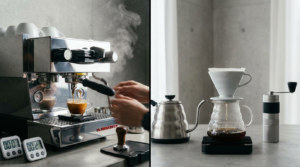
The Need for Speed: Fast Brewing Methods
Fast brewing methods are characterized by short contact times between the coffee grounds and water, often relying on pressure or rapid gravity to extract the flavor. These methods are the champions of convenience, delivering a concentrated or potent cup in a matter of seconds or a few minutes.
Espresso: The Ultimate Fast Brew
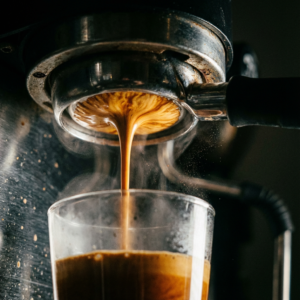
The espresso machine is the quintessential example of fast brewing. By forcing hot water through a compact puck of finely ground coffee at high pressure (typically 9 bars), an espresso shot is extracted in about 20 to 30 seconds. This rapid process yields a highly concentrated beverage with a thick, syrupy body and a complex, intense flavor.
The speed of espresso extraction is what makes it the base for so many popular drinks, as we explored in our article on World-Famous Coffee Drinks That Are a Global Hit. The high pressure ensures that a wide range of compounds are dissolved quickly, but the short contact time means the extraction must be precise. A slight error in grind size or tamping pressure can lead to a drastically under- or over-extracted shot.
Drip Coffee: The Everyday Workhorse
The automatic drip machine is the most common fast method in many households and offices. It involves hot water being poured over a bed of medium-ground coffee in a filter basket, with the resulting brew dripping into a carafe below. While the total brew time can range from 4 to 8 minutes, the process is largely hands-off and is considered “fast” in terms of effort and immediate availability.
Drip coffee produces a clean, consistent cup, but the flavor profile is often less nuanced than other methods. The speed and volume of the water flow are critical, as small adjustments to the process, such as using the correct water temperature, can significantly impact the final taste, a concept we emphasized in our discussion on Simple Methods That Make Coffee Much More Flavorful.
The Art of Patience: Slow Brewing Methods
Slow brewing methods, often referred to as “pour-over” or “manual” methods, involve a longer, more controlled contact time between the water and the grounds. These methods prioritize precision and ritual, allowing for a gentler, more complete, and nuanced extraction of the coffee’s delicate flavors.
Pour-Over (V60, Chemex): The Connoisseur’s Choice
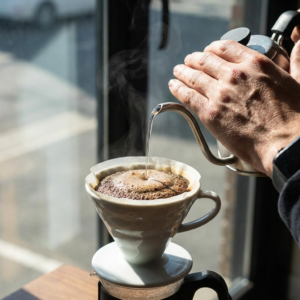
Pour-over methods, such as the Hario V60 or the Chemex, are the darlings of the specialty coffee world. They require the brewer to manually pour hot water over the grounds in slow, deliberate circles. The total brew time typically ranges from 3 to 5 minutes, but the process is highly engaging and allows for maximum control over every variable.
The longer contact time and the controlled flow rate result in a clean, bright, and complex cup that highlights the subtle, origin-specific notes of the coffee bean. The slow, steady process is a form of meditation, turning the morning routine into a mindful experience. The Chemex, with its thick paper filter, is particularly known for producing a remarkably clean cup with almost no sediment.
Cold Brew: The Slowest of Them All
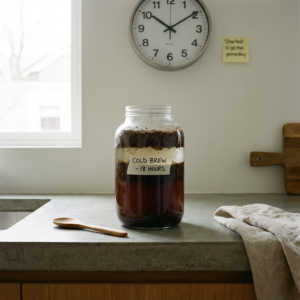
Cold brew is the extreme end of the slow spectrum. It involves steeping coarse-ground coffee in cold or room-temperature water for an extended period, usually 12 to 24 hours. This method is an immersion technique, where the grounds are fully submerged for a very long time.
The result is a coffee concentrate that is significantly less acidic and bitter than hot-brewed coffee. The cold water extracts the desirable flavors slowly, leaving behind many of the oils and acids that contribute to bitterness. The concentrate is then diluted with water or milk, offering a smooth, sweet, and highly caffeinated beverage that is perfect for iced drinks.
The Core Difference: Extraction and Flavor
The fundamental difference between fast and slow methods lies in the extraction dynamics.
| Feature | Fast Methods (Espresso, Drip) | Slow Methods (Pour-Over, Cold Brew) |
| :— | :— | :— |
| Contact Time | Short (20 seconds to 8 minutes) | Long (3 to 24 hours) |
| Extraction Force | High Pressure (Espresso) or Rapid Gravity (Drip) | Controlled Gravity or Immersion |
| Flavor Profile | Intense, bold, higher acidity/bitterness | Clean, nuanced, lower acidity/bitterness |
| Body | Full, syrupy (Espresso) or Medium (Drip) | Light, clean, tea-like |
| Ritual | Quick, efficient, functional | Mindful, precise, artistic |
Fast methods excel at extracting a high concentration of flavor in a short time, making them ideal for milk-based drinks or quick consumption. Slow methods, conversely, are designed to gently coax out the most delicate and complex flavors, offering a cleaner, more refined taste that is best enjoyed black.
Choosing between them is a personal decision. If your priority is speed and a bold, intense flavor, the fast methods are your best bet. If you value the ritual, the control, and a bright, complex cup that truly showcases the bean’s origin, then embracing the slow path is a rewarding journey. Both methods, however, require attention to detail—from the quality of the water to the consistency of the grind—to produce a truly exceptional cup. The choice is yours, but the pursuit of the perfect brew is a constant, rewarding adventure.

Gabriel James is passionate about the world of coffee, with hands-on experience in specialty beans and artisanal brewing. He has worked in local coffee shops and closely observed extraction and service techniques. Today, he uses this blog to share accessible and relevant tips that help beginners understand and better appreciate coffee in their daily lives. His goal is to make learning simple and inspire more people to explore new flavors and methods.