
There’s a moment that every coffee lover experiences. You’re drinking a cup of coffee, and something clicks. It’s not just good. It’s unforgettable. It’s the kind of coffee that stays with you. Hours later, you’re still thinking about it. Days later, you’re still craving it.
Most people drink good coffee every day. But unforgettable coffee? That’s rare. That’s special. That’s the kind of coffee that changes how you think about what coffee can be.
But what’s the difference? What separates a good cup of coffee from an unforgettable one? Is it just luck? Is it random? Or is there something specific that makes certain coffees unforgettable?
The answer is that there are specific factors that separate good coffee from unforgettable coffee. Understanding these factors can help you seek out unforgettable coffee and avoid settling for merely good.
What Makes Coffee ‘Good’
First, let’s define what we mean by “good” coffee. Good coffee is coffee that meets basic quality standards. It tastes pleasant. It doesn’t have obvious flaws. It’s fresh enough. It’s brewed properly.
Good coffee is consistent. When you buy a bag of good coffee, you know what you’re getting. It will taste similar each time you brew it. It won’t surprise you. It won’t disappoint you. But it won’t blow your mind either.
Good coffee is accessible. It’s available at most coffee shops. It’s reasonably priced. It doesn’t require special equipment or expertise to brew. Anyone can make good coffee.
Good coffee is satisfying. It does what coffee is supposed to do. It wakes you up. It tastes pleasant. It’s a nice way to start your day.
Most of the coffee that people drink falls into the “good” category. It’s not bad. But it’s not memorable either.
What Makes Coffee ‘Unforgettable’
Unforgettable coffee is different. It’s coffee that stands out. It’s coffee that you remember. It’s coffee that you seek out again.
Unforgettable coffee has complexity. It has layers of flavor. When you taste it, you notice different notes at different times. You taste something fruity at first, then something floral, then something chocolatey. The flavors evolve as the coffee cools.
Unforgettable coffee has character. It has a distinct personality. It tastes like something specific. It tastes like the place where it was grown. It tastes like the care that went into growing and processing it.
Unforgettable coffee has impact. It changes your perception of what coffee can be. It makes you realize that coffee can be more than just a caffeine delivery system. It can be an experience.
Unforgettable coffee is rare. It’s not available everywhere. It requires seeking out. It might require visiting a specialty coffee shop. It might require ordering online from a specific roaster. It might require traveling to a coffee-growing region.
Unforgettable coffee is often more expensive than good coffee. But people are willing to pay more because they know it’s worth it.
The Role of Freshness
One of the key differences between good and unforgettable coffee is freshness. Freshness is crucial to coffee quality.
Coffee is at its best within two to four weeks of roasting. During this window, the coffee has developed its full flavor profile, but the flavors haven’t started to fade yet.
Good coffee is fresh enough. It’s been roasted recently. It hasn’t been sitting on a shelf for months. But it might have been roasted weeks ago. It might have been sitting in a warehouse for a while before reaching the consumer.
Unforgettable coffee is very fresh. It’s been roasted recently, often within the past week or two. It’s shipped quickly to the consumer. The roaster prioritizes freshness. They roast frequently in small batches to ensure that consumers always get the freshest possible coffee.
When you taste unforgettable coffee, you can taste the freshness. The flavors are bright and vibrant. The aromas are pronounced. The coffee has a clarity that older coffee doesn’t have.

The Role of Origin
Another key difference is origin. Where the coffee is grown matters.
Good coffee comes from established coffee-growing regions. It’s been grown in places known for producing quality coffee. It’s been processed using standard methods.
Unforgettable coffee often comes from specific microclimates or specific farms within coffee-growing regions. It might come from a single farm. It might come from a specific elevation. It might come from a specific harvest.
When you buy unforgettable coffee, you often know exactly where it came from. You might know the name of the farm. You might know the name of the farmer. You might know the specific elevation where it was grown.
This specificity matters. Different farms produce different coffees. Different elevations produce different flavors. A coffee from one specific farm might be unforgettable, while a coffee from another farm in the same region might be merely good.
Specialty coffee roasters often focus on single-origin coffees from specific farms or microclimates. This is one reason why specialty coffee shops are more likely to have unforgettable coffee than commercial coffee chains.
The Role of Processing
How the coffee is processed also affects whether it will be good or unforgettable.
Good coffee is processed using standard methods. The cherries are harvested, processed, dried, and roasted using established techniques.
Unforgettable coffee is often processed using more careful or innovative methods. The roaster might use a specific fermentation technique. They might dry the coffee in a specific way. They might roast it using a specific profile.
Some roasters experiment with processing methods. They might try longer fermentations. They might try different drying times. They might try different roasting temperatures or roasting times.
These experiments sometimes result in coffee that’s merely interesting. But sometimes they result in coffee that’s unforgettable. The coffee tastes unlike anything else. The flavors are unique. The experience is memorable.
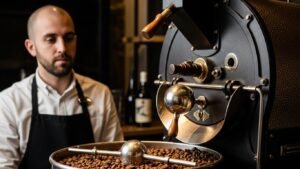
The Role of Roasting
The roasting process is crucial. How the coffee is roasted can be the difference between good and unforgettable.
Good coffee is roasted competently. The roaster knows what they’re doing. They roast the coffee to an appropriate level. The coffee doesn’t have obvious roasting defects.
Unforgettable coffee is roasted with precision and care. The roaster understands the specific coffee they’re roasting. They know how this particular coffee should be roasted to bring out its best qualities.
Different coffees require different roasting approaches. A coffee from Ethiopia might be roasted lighter to highlight its fruity notes. A coffee from Brazil might be roasted slightly darker to highlight its chocolate notes.
A skilled roaster understands these nuances. They roast each coffee to bring out its unique characteristics. This level of care and attention is what separates good coffee from unforgettable coffee.
The Role of Brewing
How the coffee is brewed also matters. Good coffee can be brewed in a standard way and still taste good. But unforgettable coffee deserves special attention.
Unforgettable coffee is often brewed with care. The person brewing it understands the coffee. They know what brewing method will bring out the best qualities of this specific coffee.
They might use a specific water temperature. They might use a specific brewing time. They might use a specific brewing method.
They might use a quality grinder to grind the coffee evenly. They might use filtered water. They might pay attention to the coffee-to-water ratio.
This level of care in brewing can make a significant difference. The same coffee brewed carelessly might be merely good. The same coffee brewed with attention and care might be unforgettable.
The Role of Expectation
Interestingly, expectation also plays a role in whether coffee is perceived as good or unforgettable.
If you expect coffee to be good, you might enjoy it and move on. But if you approach coffee with openness and curiosity, you’re more likely to notice the subtle qualities that make it unforgettable.
If you’re tasting coffee while distracted, you might not notice the complexity that makes it unforgettable. But if you’re tasting coffee with full attention, you’re more likely to appreciate its nuances.
This doesn’t mean that unforgettable coffee is just a matter of perception. Unforgettable coffee has objective qualities that make it special. But your mindset and attention level affect how much you appreciate those qualities.
The Role of Context
Context also matters. The same coffee might taste merely good in one context and unforgettable in another.
A coffee might taste merely good when you’re rushing through your morning. But the same coffee might taste unforgettable when you have time to sit down and really taste it.
A coffee might taste merely good when you’re drinking it alone. But the same coffee might taste unforgettable when you’re sharing it with someone you care about.
A coffee might taste merely good in a busy coffee shop. But the same coffee might taste unforgettable when you’re sitting in a quiet place where you can focus on the taste.
This doesn’t diminish the quality of the coffee. But it suggests that the experience of tasting coffee is influenced by more than just the coffee itself.
The Cost Difference
Good coffee is relatively affordable. You can buy a bag of good coffee for a reasonable price. You can buy a cup of good coffee at a coffee shop for a few dollars.
Unforgettable coffee is more expensive. A bag of unforgettable coffee might cost significantly more than a bag of good coffee. A cup of unforgettable coffee at a specialty coffee shop might cost more than a cup of good coffee at a commercial chain.
But people are willing to pay more for unforgettable coffee. Because unforgettable coffee is worth it. It’s an experience. It’s memorable. It’s something you’ll think about and crave.
The price difference reflects the difference in quality, freshness, origin, processing, and roasting care that goes into unforgettable coffee.
How to Find Unforgettable Coffee
If you want to experience unforgettable coffee, there are several things you can do.
First, visit specialty coffee shops. Specialty coffee roasters are more likely to have unforgettable coffee than commercial chains. Ask the barista for recommendations. Tell them you’re looking for something special.
Second, look for single-origin coffees from specific farms or microclimates. These coffees are more likely to be unforgettable than blended coffees.
Third, look for coffees that have been roasted recently. Check the roast date. Choose coffees that were roasted within the past two weeks.
Fourth, try different brewing methods. Different brewing methods can bring out different qualities in coffee. Experiment to find the brewing method that works best for the specific coffee you’re drinking.
Fifth, take time to taste the coffee. Don’t rush. Pay attention to the flavors. Notice how the flavors change as the coffee cools. Try to identify the specific flavor notes.
Sixth, understand how coffee bean freshness shapes the entire experience. Freshness is crucial to unforgettable coffee.
Seventh, invest in a quality grinder. Understanding your grinder and how to grind properly can make a significant difference in the quality of your coffee.
The Journey from Good to Unforgettable
As you explore coffee, you’ll likely taste a spectrum. Some coffee will be bad. Some will be good. Some will be unforgettable.
The more unforgettable coffee you taste, the more you’ll understand what makes coffee unforgettable. You’ll develop your palate. You’ll learn to recognize the qualities that make coffee special.
You might find that your favorite unforgettable coffee is different from someone else’s. That’s okay. Unforgettable coffee is personal. What’s unforgettable to you might be merely good to someone else, and vice versa.
But there are certain qualities that most people recognize as making coffee unforgettable. Complexity. Character. Freshness. Quality. Care.
The Memory of Unforgettable Coffee
One of the defining characteristics of unforgettable coffee is that it stays with you. You remember it. You crave it. You seek it out again.
This is different from good coffee. Good coffee is pleasant in the moment. But you don’t think about it afterward. You don’t crave it. You don’t seek it out specifically.
Unforgettable coffee creates a memory. When you taste it, you’re creating a memory that lasts. Days later, you might think about that coffee. Weeks later, you might still be craving it.
This memory is part of what makes unforgettable coffee special. It’s not just about the taste. It’s about the experience. It’s about the impact that the coffee has on you.
Seeking Out Unforgettable Coffee
If you’ve never experienced unforgettable coffee, I encourage you to seek it out. Visit a specialty coffee shop. Ask for a recommendation. Tell them you’re looking for something unforgettable.
Try a single-origin coffee from a specific farm. Pay attention to the flavor notes. Notice the complexity. Notice the character.
Take time to taste the coffee. Don’t rush. Let the flavors develop. Notice how the flavors change as the coffee cools.
You might discover a coffee that changes how you think about coffee. You might discover a coffee that you crave for months afterward.
The difference between good and unforgettable coffee is real. It’s not just marketing. It’s not just hype. It’s a real difference in quality, freshness, origin, processing, roasting, and care.
Once you’ve tasted unforgettable coffee, you’ll understand the difference. You’ll understand why people are willing to seek it out and pay more for it. You’ll understand why unforgettable coffee stays with you long after you’ve finished drinking it.
So take the time to explore. Taste different coffees. Pay attention to what makes certain coffees special. And enjoy the journey of discovering unforgettable coffee.

Gabriel James is passionate about the world of coffee, with hands-on experience in specialty beans and artisanal brewing. He has worked in local coffee shops and closely observed extraction and service techniques. Today, he uses this blog to share accessible and relevant tips that help beginners understand and better appreciate coffee in their daily lives. His goal is to make learning simple and inspire more people to explore new flavors and methods.