
Coffee is more than a drink — it is a ritual, a moment, a gesture that carries history, identity, and emotion. Every culture that embraced coffee created its own way of preparing it, and these methods evolved alongside societies, technologies, and traditions. What began as a simple infusion of crushed beans eventually transformed into a global tapestry of brewing techniques, each with its own meaning.
Understanding how these rituals developed helps explain why coffee is such a universal cultural symbol. It reveals how humans, across centuries and continents, shaped the beverage according to their lifestyles, values, and beliefs.
This article explores the evolution of coffee preparation rituals through time and around the world, tracing how a modest bean became the center of practices that unite people, families, and entire communities.
1. The Earliest Methods: Crushing, Boiling, and Simplicity
The first documented coffee rituals were extremely simple. In Ethiopia, the birthplace of coffee, tribes chewed coffee berries for energy long before brewing ever existed. Later, people began crushing the beans and mixing them with animal fat to create small, portable energy balls.
Eventually, the idea of boiling the crushed beans in water emerged — a primitive but effective method. There was no filter, no fancy technique, and no specialized equipment. It was coffee in its most raw and functional form.
Yet even then, these early preparations were more than just a drink. The aroma, the warmth, and the shared act of drinking created a social experience. These roots laid the foundation for the ceremonial and communal role coffee would play for centuries.
2. The Rise of the Middle Eastern Rituals: Precision and Patience
When coffee traveled from Ethiopia to Yemen and from Yemen to the Ottoman Empire, the preparation methods became far more refined. This era marked the birth of one of the oldest coffee traditions still alive: Turkish coffee.
In this ritual, extremely fine grounds are simmered slowly with water (and often sugar) in a small pot called a cezve. The preparation requires:
-
patience
-
consistent heat
-
attention to foam formation
-
precise timing
These elements turned brewing into an art. Turkish coffee became so culturally significant that being able to prepare it well was once considered a sign of maturity and hospitality.
Other Middle Eastern cultures created their own rituals. In countries like Saudi Arabia or Qatar, coffee was brewed with spices such as cardamom and served in small cups, symbolizing generosity. Offering coffee became a gesture of respect — a cultural value that remains strong today.
3. European Influence: Innovation, Machinery, and Technique
When coffee reached Europe in the 1600s, everything changed. Europeans began experimenting with filtration, roasting, and mechanical extraction. This period gave rise to some of the most influential coffee innovations in the world.
Filtration Becomes a Standard
Germany and France played major roles in popularizing filtered coffee. Cloth filters and paper filters made the drink smoother and allowed people to appreciate different flavors in the beans. This marked the beginning of coffee as a beverage for savoring rather than simply consuming for energy.
The Espresso Revolution
Italy transformed coffee preparation entirely with the invention of the espresso machine in the late 1800s. Suddenly, coffee could be brewed:
-
under pressure
-
in seconds
-
with a concentrated, strong flavor
-
topped with the iconic crema
Espresso became a cultural symbol — a quick, intense ritual that matched the pace of Italian daily life. From espresso came cappuccinos, macchiatos, and countless variations that spread across the world.
4. Asian Traditions: Balance, Aesthetics, and Mindfulness
Asia adopted coffee later than Europe, but when it did, new rituals emerged — many of them influenced by existing tea ceremonies. These rituals often emphasized aesthetics, calmness, and balance.
Japan’s Precision Brewing
Japan became one of the leaders in manual brewing innovation. Tools such as:
-
the Hario V60
-
the siphon brewer
-
the Kalita Wave
were not just functional but beautifully designed. Brewing coffee became a meditative process, with attention to:
-
water temperature
-
pour speed
-
grind size
-
extraction time
Japanese coffee culture shows how rituals can be both simple and deeply intentional.
Vietnam’s Unique Interpretation
Vietnam developed its own brewing method using a metal drip filter called the phin. This creates a slow, strong coffee often mixed with sweetened condensed milk — a combination born from necessity during times of scarcity.
This ritual is relaxed, unhurried, and often enjoyed while sitting on sidewalks or small local cafés. It reflects everyday life in Vietnam: resilient, warm, and communal.
5. Latin American Traditions: Community and Flavor
Latin America is one of the world’s largest coffee-producing regions, and each country developed its own ritual tied to daily life and cultural identity.
Brazil’s “Café Coado”
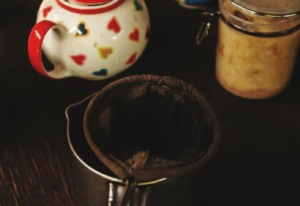
Brazil popularized filtered coffee made with cloth strainers, known as cafezinho. It became a universal offering — a symbol of hospitality. Preparing and serving coffee is a gesture of friendship in Brazilian culture.
Colombia’s Rural Coffee Traditions
In rural Colombia, coffee is often brewed in large kettles over fire, using rustic techniques passed down through generations. The process is simple, but it carries a strong emotional connection to family and land.
Mexico’s “Café de Olla”
Mexico created a distinctive ritual: coffee brewed with cinnamon and piloncillo (raw sugar) in a clay pot. This method gives the drink a rich, comforting flavor and shows how tradition shapes taste.
6. The Influence of Industrialization: Convenience and Speed
As technology advanced, so did coffee preparation methods. The 20th century introduced machines and systems designed for convenience.
-
Electric coffee makers made brewing accessible to every household.
-
Instant coffee became popular during wars and times of scarcity.
-
Drip machines took over office environments.
These innovations were not always ceremonial, but they reshaped the modern relationship with coffee. For many people, brewing became less of a ritual and more of a necessity to get through the day.
7. The Third Wave Coffee Movement: Craft Meets Science
In the early 2000s, coffee experienced a renaissance. The “third wave” movement emphasized quality, origin, and craftsmanship. Brewing became an art again.
People began to value:
-
specialty beans
-
manual brewing techniques
-
unique flavor profiles
-
sustainable farming practices
Rituals like pour-over, cold brew, and slow extraction returned to the spotlight. Coffee shops adopted minimalist aesthetics and focused on creating sensory experiences.
This movement brought back the intentionality of ancient rituals while embracing scientific precision.
8. Modern Global Trends: Personalization and Expression
Today, the rituals of coffee preparation continue to evolve. People personalize every step — the grind size, the temperature, the brewing time, the ingredients. Social media also helps spread methods instantly across cultures.
Current trends include:
-
cold brew and nitro coffee
-
specialty espresso tonics
-
home espresso machines
-
innovative brewing devices
-
flavored and experimental drinks
Each trend reflects how coffee preparation has become a form of personal expression.
9. Rituals as a Reflection of Human Experience
Across centuries, the way people prepare coffee has always mirrored the values of the era:
-
Early rituals focused on survival and energy.
-
Middle Eastern methods emphasized hospitality.
-
European innovations championed technology.
-
Asian rituals highlighted mindfulness and precision.
-
Latin American traditions prioritized community and emotion.
-
Modern methods celebrate individuality and creativity.
Despite these differences, the purpose remained the same: to enjoy a moment that blends comfort, connection, and flavor.
10. A Timeless Tradition That Continues to Evolve
Coffee preparation is constantly changing, yet it never loses its meaning. Every new method becomes part of a long, rich timeline that stretches from ancient tribes to modern cafés.
The evolution of these rituals shows not only how people brew coffee — but also how they live, relate, and adapt. And as long as coffee remains part of daily life around the world, new rituals will continue to emerge, shaped by culture, technology, and human imagination.

Gabriel James is passionate about the world of coffee, with hands-on experience in specialty beans and artisanal brewing. He has worked in local coffee shops and closely observed extraction and service techniques. Today, he uses this blog to share accessible and relevant tips that help beginners understand and better appreciate coffee in their daily lives. His goal is to make learning simple and inspire more people to explore new flavors and methods.