
Buying coffee for the first time in the USA can be overwhelming. The options are endless. The prices vary wildly. The terminology is confusing. You might end up with a bag of coffee that tastes terrible, or that doesn’t work with your brewing equipment.
But it doesn’t have to be that way. With a few simple guidelines, you can avoid the most common mistakes and find coffee that you’ll actually enjoy.
This guide is designed for people who are buying coffee in the USA for the first time. Whether you’re a newcomer to the country or just new to buying specialty coffee, this guide will help you navigate the coffee aisle and make smart choices.
Mistake #1: Buying Pre-Ground Coffee
One of the biggest mistakes people make is buying pre-ground coffee. Pre-ground coffee loses its freshness quickly. The moment the coffee is ground, it starts to lose its flavor and aroma.
When you buy whole beans and grind them yourself, the coffee stays fresher longer. The flavors are brighter. The aromas are more pronounced.
If you don’t have a grinder yet, buy one. A basic burr grinder is affordable and will make a huge difference in the quality of your coffee.
If you absolutely must buy pre-ground coffee, buy the smallest bag available and use it quickly. Don’t buy a large bag thinking you’ll save money. The coffee will go stale before you finish it.
Mistake #2: Buying Coffee from the Supermarket
Supermarket coffee is often old and stale. It’s been sitting on the shelf for months. The roast date is often not listed, which is a red flag.
Instead, buy coffee from specialty coffee shops or online roasters. These places roast coffee frequently and prioritize freshness. You can often see the roast date on the bag.
If you must buy from a supermarket, look for bags that clearly show a recent roast date. Avoid bags with no roast date listed.
Mistake #3: Ignoring the Roast Date
The roast date is crucial. Coffee is at its best within two to four weeks of roasting. After that, the flavors start to fade.
When you buy coffee, check the roast date. Choose coffee that was roasted recently, ideally within the past two weeks.
If the roast date is not listed on the bag, don’t buy it. The roaster should be proud of how fresh their coffee is.
Mistake #4: Buying Based on Price Alone
Expensive coffee is not always better. But very cheap coffee is usually not good either.
There’s a sweet spot in the middle. You don’t need to spend a lot of money to get good coffee. But you also shouldn’t expect excellent coffee for a dollar a pound.
A reasonable price for specialty coffee is around $12-16 per pound. This is a fair price for quality, freshly roasted coffee.
If coffee is significantly cheaper than this, it’s probably old or low quality. If it’s significantly more expensive, you might be paying for a fancy brand name rather than quality.

Mistake #5: Not Knowing What Brewing Method You’ll Use
Different brewing methods work best with different grind sizes. If you buy coffee without knowing how you’ll brew it, you might end up with the wrong grind size.
Before you buy coffee, decide how you’ll brew it. Will you use a French press? An AeroPress? A pour-over? An automatic drip machine?
Once you know your brewing method, you can buy coffee and grind it appropriately.
If you’re not sure what brewing method to use, ask the person at the coffee shop. They can recommend a brewing method and help you grind the coffee appropriately.
Mistake #6: Buying Single-Origin Coffee When You Should Buy a Blend
Single-origin coffees are interesting and complex. But they can also be unpredictable. A single-origin coffee might have flavors you don’t like.
If you’re new to specialty coffee, consider starting with a blend. Blends are designed to be balanced and approachable. They’re less likely to surprise you with unexpected flavors.
Once you’ve developed your palate and understand what flavors you like, you can explore single-origin coffees.
Mistake #7: Buying Based on Packaging Alone
Beautiful packaging doesn’t mean the coffee inside is good. Some coffee companies spend more on packaging than on the quality of the coffee.
Instead of judging by packaging, look at the information on the bag. Is there a roast date? Is there information about the origin? Are there tasting notes?
A good coffee bag will have detailed information about the coffee. A bag with just a pretty picture and no information is a red flag.
Mistake #8: Not Asking for Recommendations
The people who work at specialty coffee shops are knowledgeable. They can help you find coffee that matches your preferences.
When you go to a coffee shop, tell them you’re new to buying specialty coffee. Tell them what flavors you like. Tell them how you’ll brew the coffee.
They can recommend a coffee that’s perfect for you. They might even let you taste a sample before you buy.

Mistake #9: Buying Too Much Coffee
Coffee stays fresh for about two to four weeks after roasting. If you buy more coffee than you can drink in that time, it will go stale.
Start by buying a small bag. See if you like it. If you do, you can buy more next time.
Buying small amounts frequently is better than buying large amounts infrequently.
Mistake #10: Ignoring the Origin
Where the coffee is grown affects how it tastes. Coffee from different regions has different flavor profiles.
Ethiopian coffee tends to be fruity and floral. Brazilian coffee tends to be nutty and chocolatey. Colombian coffee tends to be balanced and smooth.
If you know what flavors you like, you can choose coffee from regions that typically have those flavors.
What to Look For When Buying Coffee
Now that you know what mistakes to avoid, here’s what you should look for when buying coffee.
First, look for a recent roast date. The coffee should have been roasted within the past two weeks.
Second, look for information about the origin. Where was the coffee grown? At what elevation? What processing method was used?
Third, look for tasting notes. What flavors should you expect? Fruity? Nutty? Chocolatey? Floral?
Fourth, look for a reasonable price. Not too cheap, not too expensive.
Fifth, look for a reputable roaster. Do they have good reviews? Are they known for quality?
Sixth, consider your brewing method. Will you use a French press? A pour-over? An automatic drip machine? Choose coffee that’s appropriate for your brewing method.
Where to Buy Coffee in the USA
There are several places where you can buy quality coffee in the USA.
Specialty coffee shops often have their own roasting operation or source coffee from local roasters. The staff is knowledgeable and can help you choose.
Online roasters ship coffee directly to your home. You can browse their selection online and have fresh coffee delivered to your door.
Some supermarkets have specialty coffee sections with recently roasted coffee from local roasters. Check the roast date to make sure it’s fresh.
Farmers markets often have local roasters selling their coffee. You can talk directly to the roaster and ask questions.
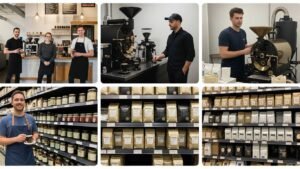
Starting Your Coffee Journey
Buying coffee for the first time doesn’t have to be stressful. With these guidelines, you can avoid the most common mistakes and find coffee that you’ll enjoy.
Remember: freshness is key. Look for a recent roast date. Grind the coffee yourself. Brew it with care.
Take time to taste the coffee. Notice the flavors. Notice how the flavors change as the coffee cools.
If you don’t like the first coffee you buy, don’t give up. Try a different origin. Try a different roaster. Try a different brewing method.
The more coffee you taste, the more you’ll understand what you like. You’ll develop your palate. You’ll learn to recognize quality.
And most importantly, you’ll discover coffee that brings you joy. Coffee that you crave. Coffee that makes your mornings better.
Your First Purchase
When you make your first coffee purchase, here’s what to do:
First, visit a specialty coffee shop or browse an online roaster.
Second, tell them you’re new to buying specialty coffee. Ask for a recommendation.
Third, choose a coffee with a recent roast date. Choose a coffee from a region that typically has flavors you like.
Fourth, ask them to grind it for your brewing method. Or buy whole beans and grind them yourself.
Fifth, go home and brew the coffee with care. Take time to taste it.
Sixth, notice what you like about it. Notice what you don’t like.
Seventh, next time you buy coffee, use what you learned to choose a different coffee or the same coffee again.
This is how you start your coffee journey. One purchase at a time. One cup at a time. Learning and growing as you go.
The Importance of Freshness
One more thing: freshness is absolutely crucial. Understand how coffee bean freshness shapes the entire experience. Fresh coffee tastes better. It has more flavor. It has more aroma.
Stale coffee tastes flat and dull. It’s not worth drinking.
So when you buy coffee, always check the roast date. Always choose recently roasted coffee. Always grind it yourself if possible.
Investing in Equipment
As you get more serious about coffee, you’ll want to invest in some basic equipment. A quality grinder is essential. Understanding your grinder and how to grind properly can make a huge difference in the quality of your coffee.
You might also want to invest in a pour-over dripper, a French press, or an AeroPress. These are affordable and will help you brew better coffee.
But you don’t need to buy everything at once. Start with the basics. Learn how to brew good coffee with simple equipment. Then, as you get more interested, you can invest in more equipment.
Conclusion
Buying coffee for the first time in the USA doesn’t have to be overwhelming. With these guidelines, you can avoid the most common mistakes and find coffee that you’ll enjoy.
Remember: freshness is key. Look for a recent roast date. Grind the coffee yourself. Brew it with care.
Visit specialty coffee shops. Ask for recommendations. Take time to taste the coffee.
Learn what flavors you like. Develop your palate. Grow as a coffee enthusiast.
And most importantly, enjoy the journey. Buying and brewing coffee should be a pleasure, not a chore.
So go out there. Buy some fresh coffee. Grind it. Brew it. Taste it. And discover the joy of a truly good cup of coffee.

Gabriel James is passionate about the world of coffee, with hands-on experience in specialty beans and artisanal brewing. He has worked in local coffee shops and closely observed extraction and service techniques. Today, he uses this blog to share accessible and relevant tips that help beginners understand and better appreciate coffee in their daily lives. His goal is to make learning simple and inspire more people to explore new flavors and methods.