
Coffee culture in America has undergone a remarkable transformation over the past decade. While cities like Seattle and Portland have long been known for their coffee obsession, a new wave of coffee enthusiasm is sweeping through unexpected places across the country.
I’ve spent the last year traveling to coffee shops in different American cities, and I’ve noticed something fascinating: some cities that weren’t traditionally known for coffee are now experiencing explosive growth in specialty coffee culture. These aren’t just new coffee shops opening—they’re entire communities developing sophisticated palates and demanding higher quality coffee.
The Shift in American Coffee Culture
For decades, American coffee culture was concentrated in a handful of cities on the coasts. Seattle had Starbucks and a thriving specialty coffee scene. Portland had its independent roasters and coffee obsessives. San Francisco had its espresso bars. But the rest of the country? Coffee was mostly an afterthought.
That’s changed dramatically. Specialty coffee has become a mainstream pursuit, and it’s happening in cities you might not expect. The growth isn’t uniform—some cities are experiencing explosive expansion while others remain relatively unchanged.
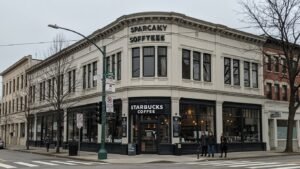
What’s driving this change? Several factors are at play. Remote work has allowed coffee enthusiasts to relocate to more affordable cities while maintaining their coffee standards. Social media has made people aware of specialty coffee trends happening elsewhere. And younger generations are prioritizing quality and experience over convenience.
Austin, Texas: The Unexpected Coffee Hub
Austin has become one of the fastest-growing coffee cities in America, and it’s not just because of the city’s general growth. The coffee culture here is genuinely sophisticated.
The city now has dozens of specialty coffee roasters, many of which are gaining national recognition. What’s remarkable is the diversity of the coffee scene. You can find everything from minimalist pour-over bars to elaborate espresso shops to trendy cold brew lounges.
Understanding the new coffee trend that’s conquering the USA is essential to understanding Austin’s coffee boom. The city has embraced premium cold brew, specialty espresso, and single-origin coffee with enthusiasm. Coffee shops here are packed with people who genuinely care about quality.
What makes Austin’s coffee scene special is its integration with the city’s broader food and beverage culture. Coffee isn’t separate from the food scene—it’s integrated with it. Coffee shops are community gathering places, not just places to grab a quick caffeine fix.
Denver, Colorado: Mountain City Coffee Renaissance
Denver’s coffee culture has exploded in recent years. The city now rivals Portland in terms of specialty coffee density, with roasters and coffee shops on nearly every block in trendy neighborhoods.
The growth here is driven partly by the city’s general appeal to young professionals, but also by genuine coffee passion. Denver roasters are winning national competitions. Coffee shops here are experimenting with new brewing methods and sourcing practices.
What’s interesting about Denver is how the coffee culture has spread beyond downtown. Neighborhoods like Highland and South Pearl Street have become coffee destinations in their own right, with multiple roasters and coffee shops competing for customers.
The altitude might even play a role in Denver’s coffee enthusiasm. Some coffee enthusiasts argue that the high altitude affects how they perceive coffee flavors. Whether that’s true or not, Denver’s coffee community is genuinely engaged and passionate.
Nashville, Tennessee: The Unexpected Southern Coffee Boom
Nashville’s coffee culture has grown dramatically over the past five years. This is particularly surprising given that the South has traditionally been more of a sweet tea region.
But Nashville’s young population and booming music scene have created demand for quality coffee. The city now has a thriving specialty coffee scene with roasters, coffee shops, and a genuine community of coffee enthusiasts.
What’s remarkable about Nashville is how quickly the culture has developed. Five years ago, finding a decent specialty coffee in Nashville was challenging. Now, you can find excellent coffee throughout the city.
Learning about why some coffees have such different flavors even when they’re from the same region is something Nashville coffee enthusiasts are increasingly interested in. The community is developing sophistication about coffee origins and flavor profiles.
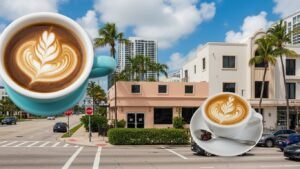
Miami, Florida: The Tropical Coffee Awakening
Miami’s coffee culture has transformed dramatically, driven partly by the city’s Latin American population and partly by the general growth of specialty coffee culture.
The city now has a unique coffee scene that blends Latin American coffee traditions with specialty coffee innovation. You can find traditional Cuban coffee alongside specialty single-origin espresso. This fusion is creating something genuinely unique.
What makes Miami’s coffee scene special is its diversity. The city’s multicultural population brings different coffee traditions and expectations. This has created a vibrant, eclectic coffee culture that’s unlike anywhere else in America.
Portland, Oregon: Still the Gold Standard
While Portland isn’t “growing fastest” in absolute terms—it’s already saturated with coffee shops—it remains the gold standard for American coffee culture. The city’s coffee scene continues to evolve and innovate.
What’s interesting about Portland is how the coffee culture has matured. Early on, it was about quantity and novelty. Now, it’s about quality and sustainability. Portland roasters are increasingly focused on direct trade relationships with farmers, sustainable sourcing, and environmental responsibility.
The city’s coffee shops have also evolved. Many are now focusing on education, hosting cuppings and tastings where customers can learn about coffee. This reflects a maturation of the coffee culture—it’s no longer just about consuming coffee, but understanding it.
Raleigh-Durham, North Carolina: The Tech City Coffee Boom
The Research Triangle area has experienced explosive growth in specialty coffee culture, driven by the region’s tech boom and young professional population.
Raleigh and Durham now have thriving coffee scenes with multiple roasters and coffee shops. What’s particularly interesting is how the coffee culture here is integrated with the tech scene. Coffee shops are popular meeting places for entrepreneurs and tech workers.
Understanding the 10 coffee brands Americans should experience at least once is something Raleigh-Durham coffee enthusiasts are increasingly interested in. The community is developing sophistication about different roasters and their offerings.
Phoenix, Arizona: Desert Coffee Culture
Phoenix’s coffee culture has grown significantly, driven by the city’s population growth and the appeal of outdoor coffee experiences in the desert climate.
The city now has a diverse coffee scene with roasters experimenting with different brewing methods and sourcing practices. What’s unique about Phoenix is how the coffee culture has adapted to the desert climate—many coffee shops emphasize cold brew and iced coffee options.
The Common Threads
What do these fast-growing coffee cities have in common? Several factors emerge:
Young population: All of these cities have attracted younger professionals who prioritize quality and experience.
Tech and creative industries: Cities with growing tech and creative sectors tend to have growing coffee cultures.
Affordability: Many of these cities are more affordable than traditional coffee hubs like Seattle and San Francisco, making them attractive to entrepreneurs and coffee enthusiasts.
Community focus: The best coffee scenes are built on community. Cities where coffee shops function as gathering places tend to have stronger coffee cultures.
Diversity: Cities with diverse populations tend to have more interesting coffee cultures, as different traditions and perspectives blend together.
The Role of Social Media
Social media has played a significant role in spreading coffee culture to new cities. Instagram has made people aware of specialty coffee trends happening elsewhere. Coffee enthusiasts in smaller cities can now see what’s happening in major coffee hubs and demand similar quality locally.
This has created a kind of coffee culture arms race, where cities compete to offer the best coffee experiences. It’s positive for consumers—it means quality coffee is becoming more available across the country.
What This Means for Coffee Lovers
If you’re a coffee enthusiast, this growth in coffee culture across America is genuinely exciting. It means you can find quality coffee in more places than ever before. You don’t have to live in Seattle or Portland to access excellent specialty coffee.
It also means that coffee culture is becoming more diverse and interesting. Different cities are developing their own coffee identities, influenced by local culture, climate, and population. This diversity is creating richer, more interesting coffee scenes.
Learning about award-winning coffees and what makes them truly special is something people in these growing coffee cities are increasingly doing. The communities are developing sophistication about coffee quality and origin.
The Future of American Coffee Culture
The trend toward growing coffee culture in unexpected cities is likely to continue. As remote work becomes more common, coffee enthusiasts will continue to relocate to more affordable cities while maintaining their coffee standards. As younger generations continue to prioritize quality and experience, demand for specialty coffee will continue to grow.
What’s particularly exciting is how this growth is happening organically. It’s not being driven by major chains or corporate interests. It’s being driven by genuine passion for coffee and community building.
Conclusion: Coffee Culture Is Democratizing
The growth of specialty coffee culture in cities across America represents a democratization of coffee culture. It’s no longer concentrated in a handful of coastal cities. It’s spreading to the heartland, to the South, to unexpected places.
This is positive for everyone. Coffee lovers get access to better coffee. Cities get vibrant coffee communities. Farmers get support for growing higher-quality beans. Roasters get opportunities to build businesses in more affordable cities.
If you’re looking for a city with a growing coffee culture, the options are more diverse than ever. Whether you’re drawn to Austin’s integrated food and coffee scene, Denver’s mountain city coffee renaissance, Nashville’s unexpected southern boom, or Miami’s multicultural coffee fusion, there’s a thriving coffee community waiting for you.
The future of American coffee culture isn’t in a single city or region. It’s distributed across the country, in cities both expected and unexpected. And that’s genuinely exciting.

Gabriel James is passionate about the world of coffee, with hands-on experience in specialty beans and artisanal brewing. He has worked in local coffee shops and closely observed extraction and service techniques. Today, he uses this blog to share accessible and relevant tips that help beginners understand and better appreciate coffee in their daily lives. His goal is to make learning simple and inspire more people to explore new flavors and methods.