
Roasting is one of the most magical phases in a coffee bean’s journey. It’s the moment when a green, grassy-smelling seed transforms into something aromatic, brown, and full of flavor potential. Without roasting, coffee would taste nothing like the drink that millions of people enjoy every day. But what many people don’t realize is that roasting is not a single process — it is a spectrum. Different roast levels dramatically change the taste, aroma, sweetness, acidity, and even the mouthfeel of coffee.
Understanding the types of coffee roasts is essential not only for professionals and enthusiasts but also for anyone who wants to brew better coffee at home. The roast level can enhance or mute certain characteristics of a bean, and choosing the right one makes all the difference. This article explores the main types of roasts, what happens during the roasting process, and how each roast affects flavor — in a friendly, humanized, and informative way, fully aligned with Google AdSense content guidelines.
What Happens During Roasting? A Simple Explanation
Before diving into specific roast types, it’s important to understand what roasting actually does.
When coffee beans are heated, several physical and chemical transformations occur:
-
Moisture evaporates
-
Beans expand and change color
-
Sugars caramelize
-
Acids break down or become more pronounced
-
Aromas and oils develop
Coffee roasting is typically measured by temperature and by the audible “cracks” of the beans. These cracks sound similar to popcorn popping and mark major stages of the roast:
-
First Crack: Beans expand rapidly; light and medium roasts usually occur here.
-
Second Crack: Oils migrate to the surface; darker roasts begin developing.
With this foundation, we can now explore how different roast levels bring out unique flavors.
1. Light Roasts: Bright, Sweet, and Vibrant
Light roasts are roasted shortly after the first crack, typically reaching temperatures around 195°C to 205°C (383°F to 401°F). These roasts preserve the bean’s natural characteristics more than any other roast level.
Flavor Profile of Light Roasts:
-
High acidity
-
Pronounced fruit notes (berries, citrus, tropical fruits)
-
Floral aromas
-
Light body
-
Clean and crisp finish
Light roasts are popular in the specialty coffee world because they highlight the bean’s origin characteristics. A coffee from Ethiopia might taste like jasmine and peach, while one from Colombia may present citrus and caramel tones.
Who enjoys light roasts?
-
People who like complex, fruity, or floral coffees
-
Those who appreciate tasting the unique identity of each region
-
People who brew with pour-over methods like V60, Chemex, or Kalita
Light roasts are also considered the best choice for high-altitude beans, which naturally have bright acidity and sweetness.
2. Medium Roasts: Balanced and Approachable
Medium roasts go slightly beyond the first crack and reach temperatures around 210°C to 220°C (410°F to 428°F). They offer a perfect balance between flavor complexity and roasted sweetness.
Flavor Profile of Medium Roasts:
-
Balanced acidity
-
Caramel-like sweetness
-
More body than light roasts
-
Notes of nuts, chocolate, fruits, or honey
-
Smooth and harmonious flavor
Medium roasts keep much of the bean’s original character while adding sweetness and body created during caramelization.
Why medium roasts are universally loved:
-
Not too acidic
-
Not too bitter
-
Versatile for brewing methods
-
Smooth and easy to enjoy daily
These roasts work beautifully in drip coffee, espresso, French press, and AeroPress.
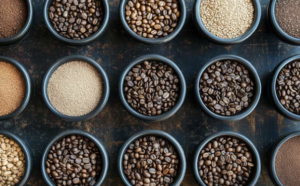
3. Medium-Dark Roasts: Bold and Rich
Medium-dark roasts are roasted close to — or just into — the second crack, with temperatures reaching 225°C to 230°C (437°F to 446°F). They offer deeper flavors and more pronounced roasted characteristics.
Flavor Profile of Medium-Dark Roasts:
-
Reduced acidity
-
Fuller body
-
Notes of cocoa, dark chocolate, spices, toasted nuts
-
Slight bitterness
-
Light oil on the bean’s surface
These roasts bridge the gap between sweetness and intensity. Many specialty espresso blends use medium-dark roasts because they produce a rich crema and deep, syrupy flavor.
Who enjoys medium-dark roasts?
-
People who prefer bold, warm flavor notes
-
Espresso drinkers
-
Fans of chocolatey, robust profiles
4. Dark Roasts: Smoky, Intense, and Heavy-Bodied
Dark roasts go fully into the second crack and reach temperatures around 240°C to 250°C (464°F to 482°F). At this stage, the roast flavor outweighs the bean’s natural origin characteristics.
Flavor Profile of Dark Roasts:
-
Very low acidity
-
Heavy body
-
Smoky, roasted, sometimes charred notes
-
Bitterness is more common
-
Oils clearly visible on the bean surface
Dark roasts are known for rich, earthy flavors and are popular in traditional espresso and classic diner-style coffee.
Why some people love dark roasts:
-
Strong, bold taste
-
Less brightness and acidity
-
Deep chocolate or smoky tones
-
Excellent in milk-based drinks like lattes
However, dark roasts can mask defects, so they’re often used in commercial blends.
How Roast Level Changes Sweetness, Acidity, and Body
Acidity
-
Highest in light roasts
-
Balanced in medium roasts
-
Low in medium-dark roasts
-
Very low in dark roasts
Sweetness
-
Light roasts emphasize natural fruit sugars
-
Medium roasts develop caramel sweetness
-
Medium-dark and dark roasts shift toward molasses and bittersweet flavors
Body
-
Light: light-bodied, tea-like
-
Medium: balanced body
-
Medium-dark: heavier and creamy
-
Dark: thick, heavy, sometimes oily
How Roasting Affects Aromas
Aroma transformation is one of the most exciting parts of roasting.
Light Roast Aromas
-
Floral (jasmine, lavender)
-
Fruity (berry, citrus, tropical fruit)
-
Sweet herbal notes
Medium Roast Aromas
-
Caramel
-
Nuts
-
Honey
-
Toasted sugars
Medium-Dark Roast Aromas
-
Dark chocolate
-
Spices like cinnamon or clove
-
Toasted bread
-
Brown sugar
Dark Roast Aromas
-
Smoke
-
Charred wood
-
Roasted nuts
-
Cocoa nibs
How to Choose the Best Roast for Your Brewing Method
Espresso
-
Medium or medium-dark roasts work best for balance and crema.
Pour-over (V60, Chemex, Kalita)
-
Light and medium roasts highlight clarity and complex flavors.
French Press
-
Medium and medium-dark roasts complement the richer extraction.
Cold Brew
-
Medium-dark or dark roasts extract sweetness and reduce acidity.
Drip Coffee Maker
-
Medium roasts offer smooth, everyday drinkability.
Selecting a roast that matches your brewing method enhances flavor and makes the final cup far more enjoyable.
The Human Side of Roasting: Craftsmanship and Skill
Roasting is not just a technical job — it’s a craft. Every roaster has their own style, intuition, and interpretation of flavor. They adjust variables like:
-
time
-
temperature
-
airflow
-
drum speed
-
development phase
This blend of science and artistry is what makes the coffee world so rich and diverse. Two roasters could roast the same bean to the same level and still produce different flavor outcomes.
Behind every bag of coffee, there are skilled professionals working to unlock the bean’s potential.
Final Thoughts: The Roast Level Defines the Journey From Bean to Cup
Roast type is one of the most influential factors in determining what your coffee will taste like. From the bright acidity of a light roast to the bold intensity of a dark roast, each level offers a unique experience. Understanding how roast levels change sweetness, acidity, and aroma empowers consumers to make better choices and enjoy coffee more deeply.
Whether you’re a beginner exploring new flavors or an experienced enthusiast refining your preferences, knowing the difference between roast types opens the door to richer, more enjoyable coffee moments.

Gabriel James is passionate about the world of coffee, with hands-on experience in specialty beans and artisanal brewing. He has worked in local coffee shops and closely observed extraction and service techniques. Today, he uses this blog to share accessible and relevant tips that help beginners understand and better appreciate coffee in their daily lives. His goal is to make learning simple and inspire more people to explore new flavors and methods.