
Coffee may be a single plant species at its core, but the flavors it produces are as diverse as the cultures that drink it. Just as wine reflects the terroir of its vineyard, coffee carries the signature of its origins—soil, climate, altitude, processing methods, and farming traditions all work together to shape what we taste in the cup. These factors vary dramatically from one region of the world to another, giving each continent its own “coffee personality.”
For many coffee lovers, exploring beans from different continents is like taking a world tour through flavor. You can taste tropical fruit notes from Africa, chocolate-rich profiles from Latin America, earthy character from Asia, and subtle variations influenced by centuries of cultivation.
In this article, we’ll guide you through the typical flavor characteristics of coffees from the main producing continents, why those flavors develop, and how these regional differences shape the global coffee landscape.
Why Geography Shapes Coffee Flavor
Before diving continent by continent, it’s helpful to understand why location affects flavor so strongly. Coffee beans are sensitive agricultural products, and small environmental differences can lead to noticeable changes in the cup.
Factors influencing regional coffee flavor include:
-
Altitude: Higher altitudes produce beans with brighter acidity and more complex flavors.
-
Soil composition: Minerals influence sweetness, aroma, and overall clarity.
-
Climate: Temperature, rainfall, and humidity affect how cherries mature.
-
Native flora and fauna: Local biodiversity subtly shapes the ecosystem and, consequently, the bean.
-
Traditional processing methods: Natural, washed, honey, and experimental methods highlight different flavor components.
Coffee is essentially a mirror of its environment—and each continent presents a different reflection.
Africa: Bright, Fruity, and Floral Coffees
Africa is often described as the birthplace of coffee, and many enthusiasts consider it home to some of the most vibrant and expressive coffees in the world. Coffees from this continent are known for their lively acidity, complex fruit notes, and aromatic florals.
Ethiopia
Ethiopia is legendary among coffee lovers. It’s believed to be the first place where coffee was consumed, and its flavor characteristics remain unmatched.
Typical Ethiopian flavor notes include:
-
Blueberry
-
Jasmine
-
Bergamot
-
Peach
-
Lemon
-
Honey
Natural-processed Ethiopian coffees often taste like fruit-forward, almost wine-like experiences, while washed versions lean toward delicate florals and citrus.
Kenya
Kenyan coffees are celebrated for their powerful acidity and bold flavor structure.
Common tasting notes:
-
Blackcurrant
-
Grapefruit
-
Tomato-like sweetness
-
Berry undertones
-
Bright, juicy finish
Kenyan coffee is often described as “vibrant” or “lively,” making it a favorite for pour-over enthusiasts.
Rwanda and Burundi
These neighboring countries offer coffees with a balance of African fruitiness and subtle sweetness.
Typical profiles:
-
Red fruit (raspberry, cherry)
-
Floral hints
-
Tea-like elegance
-
Soft, clean acidity
Their coffees tend to be well-rounded with gentle complexity.
Overall African profile:
Bright, fruity, floral, aromatic, lively, complex.
African coffees tend to feel expressive and adventurous—perfect for those who love high clarity and playful acidity.
Central America: Balanced, Sweet, and Clean
Central America is known for producing coffees that perfectly balance sweetness, acidity, and body. These coffees are typically clean and approachable, making them favorites among specialty roasters and home brewers.
Costa Rica
Costa Rican coffee is celebrated for its quality and consistency.
Common tasting notes:
-
Citrus
-
Caramel
-
Honey
-
Brown sugar
-
Stone fruit
Costa Rica is also a pioneer of honey processing techniques, which add unique layers of sweetness.
Guatemala
Guatemalan coffees often come from high-altitude volcanic soils, giving them a distinctive richness.
Typical flavors:
-
Chocolate
-
Hazelnut
-
Red apple
-
Floral hints
-
Full, syrupy body
They strike a lovely balance between sweetness and depth.
Panama
Panama is home to one of the most famous coffee varietals in the world: Gesha (Geisha). Although rare and expensive, its reputation is global.
Panamanian flavors often include:
-
Floral intensity
-
Bergamot
-
Tropical fruit
-
Bright and refined acidity
Even non-Gesha varieties from Panama tend to be clean, sweet, and elegant.
Honduras, El Salvador, and Nicaragua
These countries produce mellow and often chocolaty coffees that are smooth and comforting.
Expect notes like:
-
Milk chocolate
-
Nuts
-
Subtle fruit
-
Gentle sweetness
Overall Central American profile:
Balanced, sweet, clean, bright but not overwhelming.
They’re ideal for everyday drinkers who appreciate both structure and smoothness.
South America: Chocolaty, Nutty, and Comforting
South America is the giant of the coffee world, producing enormous volumes while maintaining solid quality standards. Coffees from this region often appeal to those who enjoy rich, familiar flavors.
Brazil
As the world’s largest coffee producer, Brazil offers a wide spectrum of flavors, but its most iconic coffees tend to be:
-
Chocolaty
-
Nutty
-
Sweet
-
Low in acidity
-
Full-bodied
These coffees are smooth, comforting, and ideal for espresso blends.
Colombia
Colombia is famous for its balanced, versatile coffees that work well across brewing methods.
Common tasting notes:
-
Caramel
-
Red fruit
-
Cocoa
-
Citrus
-
Rounded sweetness
High-altitude regions deliver brighter acidity, while lower elevations produce sweeter, mellower cups.
Peru
Peruvian coffees often offer:
-
Mild acidity
-
Clean sweetness
-
Cocoa notes
-
Hints of fruit
They are often underrated but produce consistently delightful cups.
Overall South American profile:
Chocolaty, nutty, sweet, smooth, reliable.
These coffees are comforting and widely appealing—excellent for newcomers and seasoned drinkers alike.
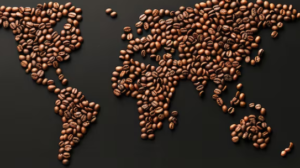
Asia and Oceania: Earthy, Spicy, and Bold
Asian coffees bring a completely different expression to the table. They’re known for their deep, earthy, and sometimes spicy undertones. These coffees tend to have heavier bodies and lower acidity, making them perfect for those who prefer bold, grounded flavors.
Indonesia
Indonesia includes several famous coffee-producing regions:
-
Sumatra
-
Java
-
Sulawesi
-
Bali
Sumatran coffees are especially known for their distinctive processing method, which creates intense, earthy profiles.
Expected flavors:
-
Earthy depth
-
Herbal tones
-
Tobacco
-
Dark chocolate
-
Spices (clove, cedar, pepper)
These coffees have rich, syrupy bodies and unique character.
India
Indian coffees often display subtle spice notes.
Common profiles:
-
Cinnamon
-
Nutmeg
-
Herbal sweetness
-
Mild fruit
Monsooned Malabar is particularly famous for its unusual aging process, which gives it a smooth, mellow flavor.
Papua New Guinea
Papua New Guinea offers a mix between Southeast Asian richness and Pacific Island brightness.
Typical notes:
-
Sweet tropical fruit
-
Earthiness
-
Chocolate
-
Floral hints
Overall Asian profile:
Earthy, bold, spicy, low-acid, heavy-bodied.
Ideal for those who like intense, grounding flavors.
How Continent-Based Flavors Influence Your Coffee Choices
Understanding these typical profiles helps you choose coffee confidently, based on your preferences:
-
Love fruit, florals, and vibrant acidity? Try African coffees.
-
Prefer balanced sweetness and versatility? Choose Central American beans.
-
Want comfort, chocolate, and nuts? South American coffees are perfect.
-
Enjoy heavy, earthy, bold profiles? Explore Asian varieties.
Each continent offers its own experience, and no single region is “better” than another—it all depends on your taste.
Why These Regional Differences Matter
These flavor differences aren’t just fun trivia—they shape the global market and influence roasting, brewing, and consumer culture. They help farmers maintain diverse cultivation practices, inspire roasters to experiment, and encourage drinkers to explore beyond their usual cup.
Regional diversity also protects the future of coffee. By appreciating beans from different continents, we support different farming traditions, encourage biodiversity, and help sustain global coffee communities.
Final Thoughts: A World of Flavors in Every Sip
Coffee is more than just a beverage. It’s a journey through landscapes, climates, cultures, and traditions. Each continent brings something different to the table, creating a tapestry of flavors that spans from bright African florals to rich South American chocolate to bold Asian earthiness.
Exploring coffees from around the world isn’t just about tasting different flavors—it’s about understanding the people, environments, and stories behind them.
Whether you’re a casual coffee drinker or a passionate enthusiast, there’s always something new waiting in the next origin. One sip can take you from the mountains of Ethiopia to the forests of Indonesia, from the valleys of Colombia to the volcanic soils of Guatemala.
Coffee truly is a global language—and every continent speaks it differently.

Gabriel James is passionate about the world of coffee, with hands-on experience in specialty beans and artisanal brewing. He has worked in local coffee shops and closely observed extraction and service techniques. Today, he uses this blog to share accessible and relevant tips that help beginners understand and better appreciate coffee in their daily lives. His goal is to make learning simple and inspire more people to explore new flavors and methods.