
When you think about coffee trends, what comes to mind? Specialty roasters. Single-origin beans. Third-wave coffee. Sustainable practices. Cold brew. Nitro coffee.
Many of these trends didn’t start in Seattle, despite what people might think. They started on the West Coast of America. In California and Oregon, to be specific.
The West Coast has become the epicenter of coffee innovation. What starts in San Francisco, Portland, or Los Angeles often spreads across the country and around the world. It’s not just a regional phenomenon. It’s a global influence.
But why? Why do California and Oregon have such outsized influence on global coffee trends?
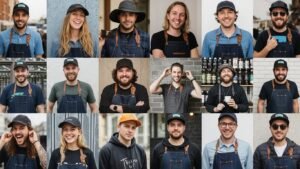
The Rise of West Coast Coffee Culture
The West Coast coffee revolution didn’t happen overnight. It started in the 1960s and 1970s when coffee shops became gathering places for intellectuals, artists, and activists.
In San Francisco, coffee shops became centers of counterculture. People gathered to discuss politics, art, and philosophy. Coffee wasn’t just a beverage. It was a social experience.
In Portland, a similar culture developed. Coffee shops became community spaces. They became places where people could connect with each other.
But the real revolution came in the 1980s and 1990s. That’s when specialty coffee roasters started opening on the West Coast.
Peet’s Coffee opened in Berkeley in 1966. It was one of the first specialty coffee roasters in America. Peet’s focused on high-quality beans and careful roasting. It set a standard for what specialty coffee could be.
Then came Starbucks in Seattle in 1971. While Starbucks is technically Pacific Northwest rather than West Coast, it helped establish the region as a coffee destination.
But the real innovation came from smaller roasters. Intelligentsia Coffee. Ritual Coffee. Blue Bottle Coffee. These roasters focused on quality, sustainability, and direct relationships with coffee farmers.
They didn’t just sell coffee. They sold a philosophy. They sold the idea that coffee could be better. That it could be more ethical. That it could be more delicious.

What Makes West Coast Coffee Different
West Coast coffee culture is different from coffee culture in other parts of America. There are several reasons for this.
First, the West Coast has a culture of innovation. People on the West Coast are willing to try new things. They’re willing to challenge the status quo. This extends to coffee.
Second, the West Coast has a culture of quality. People on the West Coast care about quality. They’re willing to pay more for better products. This drives demand for specialty coffee.
Third, the West Coast has a culture of sustainability. People on the West Coast care about the environment. They care about fair trade. They care about supporting farmers. This influences how coffee is sourced and roasted.
Fourth, the West Coast has a culture of community. Coffee shops are gathering places. They’re not just places to buy coffee. They’re places to connect with other people.
These cultural values have shaped West Coast coffee culture. And they’ve influenced coffee culture around the world.
The Third Wave of Coffee
The West Coast is where the “third wave” of coffee started. The third wave is a movement that emphasizes quality, sustainability, and direct relationships with farmers.
The first wave of coffee was about convenience. It was about making coffee accessible to everyone. Instant coffee. Drip coffee. Coffee that was quick and easy.
The second wave was about experience. It was about coffee shops as social spaces. It was about espresso drinks and specialty beverages. Starbucks was the embodiment of the second wave.
The third wave is about quality and sustainability. It’s about single-origin beans. It’s about understanding where your coffee comes from. It’s about fair trade and direct relationships with farmers.
The third wave started on the West Coast. It started with roasters like Intelligentsia and Blue Bottle who were obsessed with quality and sustainability.
Now, the third wave is global. Coffee shops around the world are embracing third-wave principles. They’re sourcing high-quality beans. They’re building relationships with farmers. They’re focusing on sustainability.
But it all started on the West Coast.
California’s Coffee Scene
California is home to some of the most innovative coffee roasters in the world.
San Francisco has a thriving coffee culture. The city is home to Ritual Coffee, Blue Bottle Coffee, and many other specialty roasters. These roasters are known for their commitment to quality and sustainability.
Los Angeles has a growing coffee scene. The city has seen an explosion of specialty coffee shops in recent years. These shops are attracting coffee enthusiasts from around the world.
San Diego has a laid-back coffee culture. The city has several specialty roasters that focus on quality and community.
California’s coffee culture is characterized by innovation and quality. Roasters in California are constantly experimenting with new brewing methods, new bean origins, and new flavor profiles.
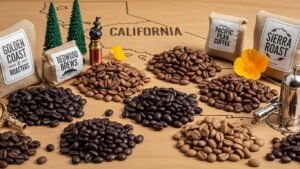
Oregon’s Coffee Scene
Oregon, particularly Portland, has become a coffee destination.
Portland is home to some of the most respected coffee roasters in the world. Stumptown Coffee Roasters. Heart Coffee Roasters. Coava Coffee. These roasters are known for their commitment to quality and sustainability.
Portland’s coffee culture is characterized by a strong sense of community. Coffee shops are gathering places. They’re places where people connect with each other.
Portland’s coffee culture is also characterized by a DIY ethos. People in Portland are willing to experiment. They’re willing to try new things. This has led to innovation in brewing methods, bean origins, and flavor profiles.
How West Coast Coffee Influences Global Trends
West Coast coffee trends spread around the world in several ways.
First, through coffee professionals. Baristas, roasters, and coffee shop owners from around the world come to the West Coast to learn. They study with the best. They learn new techniques. They bring these techniques back to their home countries.
Second, through social media. Coffee trends on the West Coast are shared on Instagram, TikTok, and other platforms. People around the world see these trends and want to try them.
Third, through coffee companies. West Coast coffee companies expand internationally. Blue Bottle Coffee now has locations around the world. Intelligentsia Coffee has expanded internationally. These companies bring West Coast coffee culture with them.
Fourth, through coffee publications. Coffee magazines and websites cover West Coast coffee trends. These publications have global reach. They influence how people think about coffee around the world.
The Impact of West Coast Coffee on Specialty Coffee
The West Coast has had a profound impact on specialty coffee globally.
Before the West Coast specialty coffee movement, most coffee was commodity coffee. It was cheap. It was mass-produced. It didn’t matter where it came from.
The West Coast specialty coffee movement changed this. It showed that people were willing to pay more for better coffee. It showed that coffee could be a craft. It showed that coffee could be sustainable and ethical.
Now, specialty coffee is a global movement. Coffee shops around the world are focusing on quality. They’re building relationships with farmers. They’re emphasizing sustainability.
But none of this would have happened without the West Coast coffee pioneers.
Challenges Facing West Coast Coffee
Despite its success, West Coast coffee faces challenges.
First, there’s the challenge of scaling. As West Coast coffee companies expand, they need to maintain quality. This is difficult. It’s easy to maintain quality in a small roastery. It’s much harder to maintain quality when you’re operating globally.
Second, there’s the challenge of sustainability. As demand for specialty coffee grows, there’s pressure to increase production. This can lead to unsustainable practices. West Coast roasters need to find ways to meet demand while maintaining their commitment to sustainability.
Third, there’s the challenge of competition. As specialty coffee becomes more popular, more companies are entering the market. West Coast roasters need to differentiate themselves.
Fourth, there’s the challenge of climate change. Climate change is affecting coffee production around the world. West Coast roasters need to adapt to these changes.
The Future of West Coast Coffee
What’s the future of West Coast coffee? It’s hard to say. But there are several trends worth watching.
First, there’s a growing focus on transparency. Consumers want to know where their coffee comes from. They want to know how it was grown. They want to know how much the farmer was paid. West Coast roasters are responding to this demand by providing more information about their sourcing practices.
Second, there’s a growing focus on sustainability. Climate change is forcing the coffee industry to rethink its practices. West Coast roasters are leading the way in developing sustainable practices.
Third, there’s a growing focus on diversity and inclusion. The coffee industry has historically been dominated by men. West Coast roasters are working to change this. They’re hiring more women. They’re promoting women to leadership positions.
Fourth, there’s a growing focus on technology. New brewing technologies are being developed. New roasting technologies are being developed. West Coast roasters are at the forefront of these innovations.
Understanding Coffee Quality
One of the most important contributions of West Coast coffee culture is the emphasis on quality. But what does quality mean in coffee?
Quality in coffee is determined by several factors. The origin of the beans. The altitude at which they were grown. The processing method. The roasting level. The freshness of the beans.
Award-winning coffees are distinguished by their attention to these quality factors. They’re beans that have been carefully selected. They’ve been roasted with precision. They’ve been handled with care.
Understanding these quality factors is important if you want to appreciate specialty coffee. It helps you understand why some coffees cost more than others. It helps you understand what you’re paying for when you buy specialty coffee.
The Role of Coffee Shops
West Coast coffee shops have played a crucial role in spreading coffee culture.
Coffee shops are more than just places to buy coffee. They’re community spaces. They’re places where people gather. They’re places where ideas are exchanged.
West Coast coffee shops have been particularly important in this regard. They’ve created spaces where people can connect with each other. They’ve created spaces where coffee is appreciated and discussed.
This community aspect of West Coast coffee culture has been crucial to its success. It’s not just about the coffee. It’s about the experience. It’s about being part of a community of coffee lovers.
IMAGEM4
Exploring West Coast Coffee Beans
If you want to explore West Coast coffee culture, one of the best ways is to try beans from West Coast roasters.
Many West Coast roasters offer single-origin beans from around the world. You can try beans from Ethiopia. From Colombia. From Indonesia. From Central America.
The coffee-producing regions that most Americans don’t know about often produce some of the most interesting beans. West Coast roasters are often at the forefront of discovering and promoting these beans.
By trying beans from West Coast roasters, you can experience the quality and innovation that characterizes West Coast coffee culture.
The Global Impact of West Coast Coffee
The impact of West Coast coffee extends far beyond the United States.
In Europe, specialty coffee shops are opening in major cities. Many of these shops are inspired by West Coast coffee culture. They’re focusing on quality. They’re building relationships with farmers. They’re emphasizing sustainability.
In Asia, specialty coffee is growing rapidly. Coffee shops in Tokyo, Seoul, and Bangkok are embracing specialty coffee principles. Many of these shops are influenced by West Coast coffee culture.
In Latin America, coffee-producing countries are developing their own specialty coffee cultures. But these cultures are often influenced by West Coast coffee pioneers.
The West Coast has become a model for coffee culture around the world.
Conclusion
West Coast coffee culture has had a profound impact on how the world thinks about coffee. It’s shifted the focus from quantity to quality. It’s emphasized sustainability and ethics. It’s created a community of coffee lovers who are passionate about their craft.
California and Oregon have become coffee destinations. They’re places where coffee is appreciated. They’re places where coffee is innovated. They’re places where coffee is celebrated.
If you want to understand modern coffee culture, you need to understand West Coast coffee culture. Because what starts on the West Coast often spreads around the world.
The West Coast coffee revolution is far from over. It’s continuing to evolve. It’s continuing to influence how people think about coffee globally.
And that’s something worth celebrating.

Gabriel James is passionate about the world of coffee, with hands-on experience in specialty beans and artisanal brewing. He has worked in local coffee shops and closely observed extraction and service techniques. Today, he uses this blog to share accessible and relevant tips that help beginners understand and better appreciate coffee in their daily lives. His goal is to make learning simple and inspire more people to explore new flavors and methods.