
Coffee beans may look similar at first glance—small, dark, shiny, aromatic—but anyone who loves coffee knows that not all beans are the same. Behind each cup, there are histories, genetics, climates, and cultivation methods that shape the flavor in profound ways. Understanding what differentiates the main types of coffee beans isn’t just interesting trivia; it’s the foundation for appreciating coffee more deeply.
Although the world uses thousands of local names, blends, and regional classifications, most coffee falls into a few central species and varieties. Each one brings its own personality, aroma, and story, shaped by geography, tradition, and human technique. In the modern era, people are becoming more curious about what they drink—where it comes from, how it’s grown, and why it tastes the way it does.
Below is a detailed, human-focused exploration of what sets the main types of coffee beans apart and why these differences matter.
Arabica vs. Robusta: The Two Giants of the Coffee World
When people discuss coffee types, they usually begin with the two global pillars: Arabica and Robusta. These species dominate the market and influence everything from pricing to flavor profiles.
Arabica (Coffea arabica)
Arabica is considered the “premium” species. It represents roughly two-thirds of the global coffee market and is prized for its smooth, complex flavor. Arabica thrives in high altitudes, usually between 800 and 2,000 meters, where cooler climates slow the growth cycle and allow sugars and aromatic compounds to develop.
Typical characteristics of Arabica include:
-
a softer, sweeter taste
-
notes of fruit, nuts, chocolate, or flowers
-
a delicate acidity
-
lower bitterness
-
lower caffeine levels
Arabica beans tend to be oval with a curved crease in the middle and a lighter body when roasted.
What makes Arabica so beloved is not only its flavor but also its diversity. Within Arabica, there are dozens of varieties, each with distinct traits shaped by geography and cultivation.
Robusta (Coffea canephora)
Robusta is hardy, powerful, and bold. It grows at lower altitudes and resists diseases better than Arabica, thanks to its higher caffeine content—which acts as a natural insect repellent.
Robusta beans typically offer:
-
strong, earthy flavors
-
more bitterness
-
higher caffeine
-
a heavier body
-
a thicker crema in espresso
Robusta beans tend to be rounder and smaller, with a straighter central crease.
Because they’re easier to cultivate, Robusta beans often cost less. However, certain high-quality Robustas are now gaining appreciation as specialty products, especially in blends designed for espresso lovers who enjoy a more intense experience.
Liberica: The Aromatic Outsider
Although far less common, Liberica (Coffea liberica) has a loyal following in regions like Southeast Asia. Its beans are larger than Arabica or Robusta, with a distinctive asymmetric shape.
Liberica’s flavor profile stands out:
-
smoky or woody notes
-
floral undertones
-
bold aromatics
-
a unique mix of sweetness and depth
Some describe Liberica as almost fruity or even mysterious, with a taste that doesn’t fit neatly into conventional categories. It isn’t a mainstream global favorite, but it’s cherished in specific cultures and is slowly gaining interest among curious coffee enthusiasts.
Excelsa: The Enigmatic Subspecies
Excelsa was once classified as its own species, but today it is considered a variant within the Liberica family. It shares some traits with Liberica but has flavor characteristics that make it feel entirely unique.
Excelsa beans are known for:
-
tart, fruity profiles
-
bright acidity
-
complex and layered tasting notes
-
a lighter body but bold aroma
These beans often appear in blends to add intrigue, complexity, or a surprising twist.
How Geography Changes the Bean
Even within the same species, coffee can taste dramatically different depending on where it is grown. This happens because coffee is deeply influenced by its terroir—the environmental factors that shape agriculture.
Altitude
High altitude beans (usually Arabica) develop:
-
more sweetness
-
greater acidity
-
slower maturation
-
layered flavors
Low altitude beans (often Robusta) grow:
-
faster
-
stronger
-
more bitter
Climate
Rainfall, temperature, and sunlight all affect:
-
sugar formation
-
bean density
-
aroma concentration
Soil
Mineral content influences flavor nuances:
-
volcanic soil = bright, clean acidity
-
clay soil = deeper flavors
-
limestone soil = smoother balance
This is why coffee from Ethiopia tastes nothing like coffee from Brazil, even when they come from the same species.
Exploring Arabica Varieties
Within Arabica alone, there are several famous sub-varieties that coffee lovers often encounter.
Typica
One of the oldest and most traditional varieties. Known for:
-
sweet, clean flavors
-
gentle body
-
balanced acidity
Many modern varieties descended from Typica.
Bourbon
Bourbon is admired for:
-
higher sweetness
-
more fruit-like notes
-
softer acidity
It grew historically in regions like the island of Réunion and later spread through Africa and Latin America.
Geisha (or Gesha)
One of the most celebrated and expensive coffee varieties in the world. Known for:
-
floral aromas
-
tea-like qualities
-
bright, elegant acidity
-
jasmine-like notes
It requires very specific growing conditions, which makes it rare and valuable.
Caturra, Catuai, Mundo Novo
These varieties were developed to adapt to different climates and improve yield while maintaining Arabica’s desirable flavors.
Each one offers a slightly different balance of sweetness, acidity, and body.
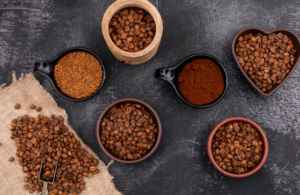
Processing Methods: A Hidden Influence
Even if two beans come from the same plant, they can taste completely different depending on how they are processed after harvest. Processing is the stage where farmers remove the fruit layer and dry the beans—but the method deeply affects the final flavor.
Washed (or wet) process
-
clean, bright flavor
-
strong acidity
-
clarity in tasting notes
Natural (or dry) process
-
fruitier, sweeter coffee
-
heavier body
-
more unpredictability
Honey process
-
a balance between washed and natural
-
sweetness from fruit mucilage
-
smooth body with mild acidity
Processing adds another layer of complexity to what makes each bean unique.
Roast Levels: How Heat Changes Everything
Roasting determines how beans express their natural qualities. A bean’s inherent characteristics interact with the degree of roast to create the final cup people drink.
Light roast
-
highlights acidity and nuances
-
preserves origin flavors
-
preferred by specialty coffee drinkers
Medium roast
-
balanced sweetness and acidity
-
versatile and widely appreciated
Dark roast
-
smoky, bold flavors
-
reduced acidity
-
sometimes used to mask lower-quality beans, but also loved by those who prefer strong coffee
Roasting doesn’t change the differences between species—it simply brings them to life.
Why Understanding Bean Types Matters
Knowing the differences between coffee beans isn’t only useful for experts. It helps everyday coffee drinkers appreciate their cup more and make informed choices.
When someone understands:
-
why Arabica feels delicate
-
why Robusta kicks harder
-
why Liberica smells different
-
why Excelsa tastes surprising
…they naturally connect more deeply with what they’re drinking.
Coffee becomes more than caffeine. It becomes an experience—one shaped by nature, culture, and craft.

Gabriel James is passionate about the world of coffee, with hands-on experience in specialty beans and artisanal brewing. He has worked in local coffee shops and closely observed extraction and service techniques. Today, he uses this blog to share accessible and relevant tips that help beginners understand and better appreciate coffee in their daily lives. His goal is to make learning simple and inspire more people to explore new flavors and methods.