
I discovered something strange last year. I was drinking the same coffee from two different cups—one ceramic, one paper—and they tasted noticeably different. The ceramic cup brought out sweetness and warmth, while the paper cup made the same coffee taste flat and slightly off. I thought I was imagining things until I started researching. Turns out, I wasn’t crazy. The cup you drink from genuinely affects how your coffee tastes.
This realization sent me down a fascinating rabbit hole. I began experimenting with different materials, shapes, and temperatures. I tested ceramic, glass, stainless steel, and paper cups. I tried thick-walled cups and thin ones. I even tested the same coffee in cups of different colors. What I discovered was that nearly everything about a cup influences your coffee experience—from the temperature retention to the way the liquid touches your lips.
The science behind this is more complex and more interesting than I ever expected. It’s not just about the cup being pretty or convenient. There are real, measurable reasons why certain cups make your coffee taste better.
Temperature: The Silent Flavor Killer
The most obvious factor is temperature. Coffee tastes dramatically different at different temperatures. Hot coffee brings out certain flavor compounds, while cooler coffee highlights others. This is why a cup that keeps your coffee hot longer will preserve the intended flavor profile better than one that lets it cool quickly.
Ceramic and glass are excellent insulators. They warm up with your coffee and then maintain that heat for an extended period. Paper cups, while convenient, are surprisingly poor insulators. They cool your coffee faster, which means you’re tasting a different version of the same beverage. Stainless steel is somewhere in the middle—good insulation, but it can sometimes impart a metallic quality if the steel isn’t high quality.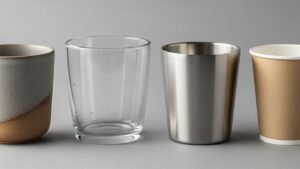
But here’s where it gets interesting: the thickness of the cup matters too. A thick ceramic cup insulates better than a thin one. This is why coffee shops often use thicker ceramic cups for their best customers—they’re not just being fancy. They’re preserving the flavor experience. The coffee stays at the optimal temperature longer, allowing you to taste all the nuances the roaster intended.
This principle connects directly to understanding how different regional coffees express their unique characteristics. A coffee from Ethiopia might have delicate floral notes that only shine through at a specific temperature range. Drink it from a cup that cools it too quickly, and you’ll miss those notes entirely.
Material and Flavor Perception
Beyond temperature, the material itself influences taste. This sounds strange, but it’s real. Different materials interact with the coffee in subtle ways. Ceramic is neutral and doesn’t impart any flavor. Glass is also neutral but conducts heat differently than ceramic. Paper can sometimes impart a slight woody taste, especially if it’s not high quality. Metal can occasionally add a metallic note.
The surface texture also matters. A smooth ceramic glaze allows the coffee to flow smoothly across your palate. A rougher surface might create slightly different sensations. This is why professional tasters use specific cups for evaluations—they want to eliminate variables that might affect their perception of the coffee’s true flavor.

There’s also something called the “color effect.” Studies have shown that the color of the cup influences how people perceive the taste of what’s inside. A white cup makes coffee taste slightly more bitter. A darker cup can make it seem smoother and richer. This isn’t just psychology—it’s how our brains process sensory information. The visual cue from the cup color actually influences how we taste the coffee.
This connects to understanding rare and exceptional coffees, because when you’re paying premium prices for specialty beans, you want to experience them in the best possible way. Using the right cup is part of that experience.
The Shape and Size Factor
The shape of the cup influences how the coffee reaches your mouth and how the aromas reach your nose. A wider cup allows more surface area for the coffee to cool, but it also allows more aromatic compounds to escape. A narrower cup concentrates those aromas, which enhances your perception of the coffee’s flavor profile.
The size matters too. A small, concentrated cup of coffee creates a different experience than the same coffee in a large mug. The smaller cup encourages you to drink more slowly and deliberately. You’re more likely to notice the flavor nuances. The larger mug might cool faster and encourage you to drink quickly, which means you’re less likely to appreciate the subtleties.

Professional coffee tasters use specific cup sizes and shapes for a reason. They’re not being pretentious. They’re controlling variables to ensure they’re tasting the coffee accurately. When you use a similar approach at home, you’ll start noticing flavors you never detected before.
The Ritual and the Experience
There’s also a psychological component that’s worth acknowledging. The cup you use becomes part of your coffee ritual. If you love a particular cup, you’re more likely to slow down and savor your coffee. You’re more likely to pay attention to the flavors. You’re more likely to enjoy the experience. This isn’t just about the cup—it’s about how the cup makes you feel.
This is why many coffee enthusiasts develop strong preferences for specific cups. It’s not always rational. It’s often emotional. But that emotional connection enhances the experience, which means you’re actually tasting the coffee better because you’re more present and more engaged.
The best cup for your coffee is one that keeps it hot, doesn’t impart unwanted flavors, and makes you happy to drink from it. For most people, that’s a ceramic cup. For others, it might be a specific glass or even a particular mug they’ve owned for years. The science supports having preferences—your cup choice genuinely affects your experience.
Conclusion: Choose Your Cup Deliberately
Next time you pour a cup of coffee, pay attention to what you’re pouring it into. Notice how the cup feels in your hands. Observe how the coffee looks in that particular vessel. Smell the aroma as it rises from the cup. Then take a sip and really taste it. You might be surprised at how much the cup influences your experience.
If you’re investing in quality coffee beans, investing in a quality cup makes sense. It’s not an indulgence—it’s a way of honoring the work that went into growing, roasting, and brewing that coffee. The right cup ensures you’re tasting what the roaster intended, not a diminished version compromised by poor insulation or unwanted flavors.
Feel free to share your favorite coffee cup in the comments below. I’d love to hear what makes it special to you.

Gabriel James is passionate about the world of coffee, with hands-on experience in specialty beans and artisanal brewing. He has worked in local coffee shops and closely observed extraction and service techniques. Today, he uses this blog to share accessible and relevant tips that help beginners understand and better appreciate coffee in their daily lives. His goal is to make learning simple and inspire more people to explore new flavors and methods.