
For decades, American coffee culture has been dominated by dark roasts. Walk into any coffee shop in the United States, and you’ll likely find dark roast options prominently displayed. Dark roast coffee has been the default choice for generations of American coffee drinkers.
But something is changing. Light roast coffee is experiencing a surge in popularity across the United States. Coffee shops that once focused exclusively on dark roasts are now featuring light roasts prominently. Coffee enthusiasts are discovering the unique flavors and characteristics of light roast coffee. Major coffee companies are investing in light roast options.
This shift represents a significant change in American coffee culture. It’s not just a passing fad. It reflects a deeper transformation in how Americans think about coffee and what they value in their daily cup.
The History of Dark Roast Dominance in America
To understand why light roast coffee is becoming a trend, we need to understand why dark roast became so dominant in the first place.
Dark roast coffee became popular in America for practical reasons. In the early days of coffee consumption in the United States, coffee was often shipped long distances. The long journey meant that coffee beans would lose their freshness. Dark roasting helped mask the stale, unpleasant flavors that came from old beans.
Dark roast also became associated with strength and boldness. American coffee culture valued coffee that was strong and robust. Dark roast delivered that intensity. It became the standard that Americans expected from their coffee.
For much of the 20th century, dark roast was the only option available to most American consumers. Instant coffee, which was popular for decades, was typically made from dark roast beans. Canned coffee was dark roast. Even specialty coffee shops, when they began to emerge, often defaulted to dark roasts.
Dark roast became so ingrained in American coffee culture that many people didn’t even know that other roast levels existed. Coffee was coffee. Dark roast was the only way to make it.
The Specialty Coffee Movement
The shift toward light roast coffee began with the specialty coffee movement. In the 1960s and 1970s, a new generation of coffee enthusiasts began to question the dark roast dominance.
These coffee pioneers realized that dark roasting wasn’t necessary if the coffee beans were fresh. They also realized that dark roasting destroyed the unique flavors that came from different coffee origins. A light roast from Ethiopia tasted completely different from a light roast from Colombia, but a dark roast from either origin tasted similar.
The specialty coffee movement emphasized freshness, origin, and the unique characteristics of different coffee beans. Light roasts became the preferred method for highlighting these qualities.
But for many decades, the specialty coffee movement remained relatively niche. Most American coffee drinkers continued to prefer dark roasts. Specialty coffee shops existed in major cities, but they weren’t mainstream.

The Third Wave of Coffee
The real shift began with what’s known as the “third wave” of coffee. The first wave was the introduction of instant coffee and mass-market coffee. The second wave was the rise of coffee chains like Starbucks, which made specialty coffee more accessible but still focused on dark roasts.
The third wave is about quality, craftsmanship, and appreciation for the coffee itself. Third wave coffee shops focus on single-origin beans, precise brewing methods, and light roasts that highlight the unique flavors of the coffee.
The third wave movement started in specialty coffee shops in cities like Portland, Seattle, and San Francisco. But it has gradually spread throughout the United States. More and more coffee shops are adopting third wave principles. More and more consumers are becoming interested in the quality and origin of their coffee.
Light roast coffee is central to the third wave movement. It’s the roast level that best showcases the unique characteristics of different coffee origins. It’s the roast level that appeals to coffee enthusiasts who want to taste the difference between a Kenyan coffee and a Brazilian coffee.
Why Light Roast Is Gaining Popularity
Several factors are driving the trend toward light roast coffee in the United States.
First, there’s increased awareness about coffee quality and origin. Consumers are becoming more educated about coffee. They want to know where their coffee comes from. They want to understand the difference between a light roast and a dark roast. They want to taste the unique flavors that different origins produce.
Second, there’s a growing appreciation for subtlety and complexity. American coffee culture has historically valued boldness and strength. But a new generation of coffee drinkers is discovering that coffee can be subtle and complex. Light roasts offer bright, fruity notes and floral characteristics that dark roasts don’t provide.
Third, there’s increased availability of light roast coffee. As demand has grown, more coffee shops and roasters have started offering light roasts. Major coffee companies have begun to invest in light roast options. This increased availability makes it easier for consumers to try light roast and discover what they like about it.
Fourth, there’s social media influence. Coffee enthusiasts share photos and information about light roast coffee on social media. Coffee shops showcase their light roast options. This visibility helps normalize light roast coffee and makes it seem like a desirable choice.

The Flavor Profile of Light Roast
One of the main reasons people are drawn to light roast coffee is the flavor profile. Light roast coffee tastes completely different from dark roast coffee.
Light roast coffee has bright, acidic notes. It has fruity flavors that can remind people of berries, citrus, or stone fruits. It has floral characteristics. It has a clean finish without the bitter aftertaste that dark roasts often leave.
These flavors come from the coffee beans themselves. Different origins produce different flavor profiles. An Ethiopian light roast might have berry and floral notes. A Colombian light roast might have chocolate and nutty notes. A Kenyan light roast might have citrus and wine-like notes.
Dark roast coffee, by contrast, has a more uniform flavor profile. The dark roasting process creates flavors of charcoal, smoke, and burnt sugar. These flavors are similar regardless of the coffee’s origin. The unique characteristics of the beans are masked by the roasting process.
For coffee enthusiasts who want to taste the difference between origins, light roast is the obvious choice.
The Caffeine Myth
One common misconception about light roast coffee is that it has less caffeine than dark roast. This is actually backwards. Light roast coffee has slightly more caffeine than dark roast coffee.
The roasting process removes some of the caffeine from coffee beans. Since light roasts are roasted for a shorter time, they lose less caffeine. Dark roasts are roasted longer, so they lose more caffeine.
The difference is minimal, but it’s real. If someone is looking for a caffeine boost, light roast is actually the better choice.
This misconception probably comes from the fact that dark roast tastes stronger. But taste and caffeine content are different things. Light roast might taste more subtle, but it actually contains more caffeine.
How to Brew Light Roast Coffee
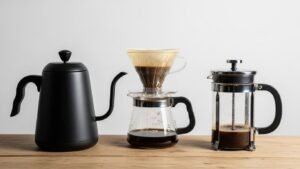
Brewing light roast coffee requires a slightly different approach than brewing dark roast. Light roast coffee is more delicate and can be easily over-extracted.
The key is to use water that’s not too hot and to brew for the right amount of time. For pour-over methods, water temperature should be around 195-205 degrees Fahrenheit. For French press, water should be around 200 degrees Fahrenheit.
The grind size also matters. For light roast, a medium grind works well for most brewing methods. Too fine a grind will over-extract the coffee and create bitterness. Too coarse a grind will under-extract and create a weak, sour cup.
Understanding your grinder and how to grind properly is especially important when brewing light roast coffee. The consistency of the grind affects how evenly the coffee extracts.
The Economic Impact of the Light Roast Trend
The trend toward light roast coffee is having economic impacts throughout the coffee industry.
Coffee roasters are investing in equipment and expertise to produce high-quality light roasts. Coffee shops are training their staff to understand light roast coffee and communicate its qualities to customers. Coffee importers are seeking out high-quality beans that are suitable for light roasting.
This has created opportunities for specialty coffee companies and small roasters. It has also put pressure on companies that have traditionally focused on dark roasts.
The trend is also affecting coffee prices. High-quality beans suitable for light roasting command premium prices. This has increased the value of coffee produced in certain regions and by certain farmers.
The Future of Light Roast in America
The light roast trend shows no signs of slowing down. As more people discover light roast coffee, demand will likely continue to grow. As demand grows, more coffee shops and companies will offer light roast options.
But it’s unlikely that light roast will completely replace dark roast in American coffee culture. Dark roast still has its place. Some people genuinely prefer the taste of dark roast. Some brewing methods work better with dark roast.
What’s more likely is that American coffee culture will become more diverse. Light roast and dark roast will coexist. Different roast levels will appeal to different people. Coffee drinkers will have more options and more choice.
Coffee bean freshness shapes the entire experience, and this principle applies to light roast coffee even more than dark roast. Light roast coffee is more sensitive to freshness. A fresh light roast will taste vibrant and complex. An old light roast will taste flat and dull.
Understanding the Shift
The trend toward light roast coffee in the United States represents a shift in how Americans think about coffee. It’s a move away from coffee as a simple caffeine delivery system and toward coffee as a beverage worth savoring and appreciating.
It’s a recognition that coffee can be complex and nuanced. It’s an appreciation for the work that goes into producing quality coffee. It’s an understanding that where coffee comes from matters.
This shift is part of a larger trend toward quality, craftsmanship, and appreciation for artisanal products. In the same way that Americans have developed an appreciation for craft beer, craft chocolate, and artisanal food, they’re developing an appreciation for craft coffee.
Light roast coffee is at the forefront of this movement. It’s the roast level that best showcases the qualities that coffee enthusiasts value: origin, freshness, and unique flavor characteristics.
Making the Switch to Light Roast
If you’ve been drinking dark roast your whole life, trying light roast for the first time might be surprising. It will taste different. It might taste lighter and more delicate. It might have flavors you’re not used to.
But that’s the point. Light roast coffee offers a different experience. It’s not better or worse than dark roast. It’s just different.
If you’re interested in trying light roast coffee, start with a high-quality option from a specialty coffee shop. Ask the barista about the origin and flavor profile. Pay attention to what you’re tasting. Notice the fruity notes, the floral characteristics, the clean finish.
You might discover that you love light roast coffee. Or you might decide that you prefer dark roast. Either way, you’ll have expanded your understanding of what coffee can be.
The Trend Continues
The trend toward light roast coffee in the United States is part of a larger transformation in American coffee culture. It reflects a growing appreciation for quality, craftsmanship, and the unique characteristics of different coffee origins.
As this trend continues, American coffee culture will become more diverse and more sophisticated. Light roast coffee will become increasingly mainstream. More people will discover the unique flavors and characteristics that light roast offers.
But the trend also reflects something deeper: a desire to slow down, to appreciate quality, and to understand where our food and beverages come from. In a world that often moves too fast, taking time to appreciate a good cup of light roast coffee is a small act of mindfulness and appreciation.

Gabriel James is passionate about the world of coffee, with hands-on experience in specialty beans and artisanal brewing. He has worked in local coffee shops and closely observed extraction and service techniques. Today, he uses this blog to share accessible and relevant tips that help beginners understand and better appreciate coffee in their daily lives. His goal is to make learning simple and inspire more people to explore new flavors and methods.