
I used to believe that expensive coffee was always better. If I paid more, I thought, I’d get a better cup. It made sense. Higher price meant higher quality, right?
Then I tried a cheap coffee that was absolutely delicious, and an expensive coffee that was mediocre. My assumption shattered.
Since then, I’ve learned that the relationship between price and quality in coffee is complicated. Some cheap coffees are amazing. Some expensive coffees are disappointing. And understanding why is the key to making smarter coffee purchases.
The Price Myth
For years, I assumed that coffee price was directly correlated with quality. The more I paid, the better the coffee would taste. This logic made sense to me.
But then I started visiting specialty coffee shops and trying different coffees at different price points. I discovered something surprising: price doesn’t always reflect quality.
Sometimes a $12 bag of coffee tastes better than a $25 bag. Sometimes a $8 coffee from a local roaster outshines a $30 coffee from a famous roaster.
Why is this? What determines coffee price if not quality?
What Actually Determines Coffee Price?
Coffee price is influenced by many factors, and quality is only one of them. Understanding these factors helps you make smarter purchasing decisions.
Origin and Rarity
Some coffees are expensive because they come from rare origins or rare varietals. A Geisha coffee from Panama is expensive because Geisha beans are rare and highly sought after. But rarity doesn’t always mean better taste.
You might prefer the taste of a common Ethiopian Yirgacheffe to a rare Geisha coffee. In that case, paying extra for rarity doesn’t make sense for you.
Brand and Reputation
Some roasters charge premium prices because of their reputation. They’ve built a brand name, and people are willing to pay for it.
This isn’t necessarily bad. A roaster with a strong reputation probably has good quality control. But you might be paying partly for the brand name rather than purely for quality.
Processing and Preparation
Some coffees are expensive because of special processing methods. Natural processed coffees cost more than washed coffees. Honey processed coffees cost more than natural processed.
Special processing can result in more complex flavors, but it’s not always worth the extra cost for every palate.
Freshness
Fresh coffee costs more because it requires more careful handling and faster shipping. A coffee roasted last week costs more than a coffee roasted two months ago.
Freshness does affect taste, so this is a legitimate reason for higher prices. But you need to verify that the coffee is actually fresh.
Marketing and Packaging
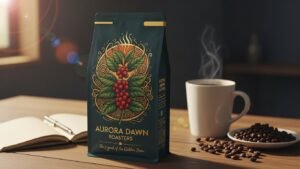
Some of the price you pay goes toward marketing and fancy packaging. A coffee with beautiful packaging and a compelling story costs more than a plain bag of the same coffee.
This isn’t necessarily a bad thing, but it’s important to recognize that you’re paying for more than just the coffee itself.
Why Some Cheap Coffees Surprise You
Now that you understand what determines price, you can understand why some cheap coffees are surprisingly good.
A cheap coffee might be good because it’s from a local roaster who doesn’t spend money on marketing. They roast good quality beans and sell them at reasonable prices without fancy packaging or brand building.
A cheap coffee might be good because it’s a common origin that’s delicious but not rare. Ethiopian coffee is common, but it can be absolutely delicious. You don’t need to pay premium prices for it.
A cheap coffee might be good because the roaster prioritizes quality over profit margins. They could charge more, but they choose to keep prices reasonable.
A cheap coffee might be good because you’re buying directly from the roaster instead of through a middleman. Buying directly eliminates the markup that retailers add.

Why Some Expensive Coffees Disappoint
Understanding why expensive coffees sometimes disappoint is equally important.
An expensive coffee might disappoint because you’re paying for rarity, not taste. A rare varietal might not taste better to your palate than a common one. You paid extra for something that doesn’t matter to you.
An expensive coffee might disappoint because you’re paying for the brand name. The roaster has a great reputation, but that particular batch isn’t as good as usual. Or the roaster’s style doesn’t match your preferences.
An expensive coffee might disappoint because it’s not fresh. A $30 bag of coffee that’s been sitting on a shelf for three months might taste worse than a $10 bag roasted last week.
An expensive coffee might disappoint because the processing method doesn’t suit your brewing method. A natural processed coffee might be too fruity for your taste. A honey processed coffee might be too complex.
An expensive coffee might disappoint because you have unrealistic expectations. You paid a lot, so you expect it to be life-changing. But coffee is coffee. Even the best coffee is just a beverage.
How to Make Smart Coffee Purchases
Now that you understand what determines price and why expensive doesn’t always mean better, how do you make smart purchases?
Prioritize Freshness
The most important factor in coffee quality is freshness. A fresh, inexpensive coffee will taste better than a stale, expensive coffee every time.
Always check the roast date. If there’s no roast date, don’t buy it. Buy coffee that was roasted within the last month.
Know Your Preferences
Spend time figuring out what you actually like. Do you prefer fruity coffees or chocolatey coffees? Do you prefer light roasts or dark roasts? Do you prefer single-origin or blends?
Once you know your preferences, you can make purchases based on what you actually like, not on price or brand reputation.
Buy from Local Roasters
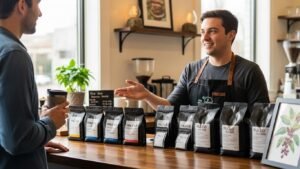
Local roasters often offer better value than big brands. They roast fresh, they don’t spend money on marketing, and they’re often happy to talk about their coffee and help you find something you’ll like.
Try Before You Commit
Ask roasters if you can buy a small amount to try before committing to a full bag. Many roasters will sell half-pound bags or offer samples.
The Real Lesson
The real lesson isn’t that cheap coffee is always better or that expensive coffee is always worse. The lesson is that price is just one factor among many.
Quality, freshness, origin, processing method, roast level, and your personal preferences all matter more than price.
A $15 coffee that matches your preferences and is fresh will give you more enjoyment than a $30 coffee that doesn’t match your preferences and isn’t fresh.
The goal isn’t to find the cheapest coffee or the most expensive coffee. The goal is to find the coffee that gives you the most enjoyment for the money you spend.
Sometimes that’s a cheap coffee. Sometimes it’s an expensive coffee. Most of the time, it’s something in the middle.
Your Coffee Journey
Start exploring. Try coffees at different price points. Pay attention to what you like and what you don’t like. Notice how freshness affects your experience.
Don’t assume that expensive is better. Don’t assume that cheap is worse. Taste for yourself and make your own decisions.
You might discover that your favorite coffee is a $10 bag from a local roaster. You might discover that a $25 coffee is worth the extra cost. Or you might discover that the best coffee for you is something in between.
The important thing is that you’re making informed decisions based on your own preferences, not on price alone.
Explore different coffee brands at different price points and find what works best for you. Your morning coffee will be better for it.

Gabriel James is passionate about the world of coffee, with hands-on experience in specialty beans and artisanal brewing. He has worked in local coffee shops and closely observed extraction and service techniques. Today, he uses this blog to share accessible and relevant tips that help beginners understand and better appreciate coffee in their daily lives. His goal is to make learning simple and inspire more people to explore new flavors and methods.