
Bitterness in coffee is one of the most common complaints among casual drinkers. Many people assume they simply don’t like coffee, when in reality they’ve never experienced truly good coffee. The bitterness they’re tasting is often the result of poor quality beans, improper storage, or incorrect brewing methods.
Understanding why coffee becomes bitter—and knowing how to avoid it—transforms your entire coffee experience. It’s the difference between thinking you dislike coffee and discovering a beverage you genuinely love.
The Science of Coffee Bitterness
Bitterness in coffee comes from specific compounds that develop during roasting and extraction. When these compounds are present in the right balance, they contribute to coffee’s complexity. When they’re excessive, they create an unpleasant, harsh taste that overshadows everything else.
The key to understanding coffee bitterness is recognizing that it’s not inherently bad. What matters is balance.
Coffee contains hundreds of flavor compounds. During the roasting process, heat transforms green beans into the brown beans we recognize. This transformation creates both desirable and undesirable compounds. The art of roasting is managing this balance.
How Over-Extraction Creates Bitterness
The most common cause of bitter coffee is over-extraction. This occurs when hot water stays in contact with coffee grounds for too long, pulling out excessive amounts of bitter compounds.
Think of it like steeping tea. If you leave a tea bag in hot water for five minutes, you get a pleasant cup. If you leave it for thirty minutes, it becomes unpleasantly bitter. Coffee works the same way.
Why Cheap Coffee Tastes Worse
Not all bitterness comes from brewing mistakes. Some coffee is simply lower quality. Cheaper coffees often taste more bitter because they contain lower-grade beans and are roasted more aggressively to mask defects.
When coffee is roasted too dark, the heat destroys delicate flavor compounds and emphasizes bitter ones. This dark roasting approach is common in mass-market coffee because it’s economical and creates a consistent (if unpleasant) product.

The Role of Bean Quality
If you want to avoid bitter coffee, the first step is purchasing better beans. Quality matters tremendously. Higher-quality beans have more nuanced flavor profiles and fewer defects that create harsh tastes.
Understanding how to identify a good coffee by its aroma and color is essential. When you’re shopping, look for beans that smell fresh and vibrant, not stale or musty. The color should be consistent and rich, not overly dark or uneven.
The Freshness Factor
Coffee freshness dramatically affects taste. As coffee ages, it oxidizes and loses its desirable compounds while bitter compounds become more prominent. Old coffee tastes increasingly bitter and stale.
This is why coffee bean freshness shapes the entire experience. Beans roasted weeks or months ago will taste significantly worse than beans roasted within the past two weeks.
When shopping, check the roast date. If it’s not listed, that’s a red flag. Quality roasters always provide this information because they’re proud of their freshness.
Brewing Methods and Bitterness
Different brewing methods extract coffee differently, which affects how bitter your cup becomes.
French press brewing, for instance, involves prolonged contact between water and grounds, which can lead to over-extraction if not carefully timed. Pour-over methods, by contrast, allow more control over extraction time.
Grind Size Matters
The ultimate guide to coffee grinders: burr vs. blade is important because grind size directly affects extraction. Finer grinds extract faster, coarser grinds extract slower.
If your coffee tastes bitter, you might be using too fine a grind. Switching to a coarser grind can reduce extraction time and eliminate bitterness. Conversely, if your coffee tastes weak and watery, a finer grind might help.
Storage and Bitterness
How you store coffee dramatically affects its taste. Coffee exposed to air, light, or heat degrades quickly. Stale coffee tastes increasingly bitter as it oxidizes.
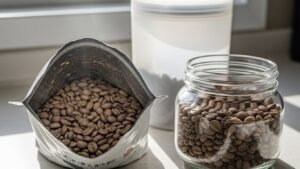
Store beans in an airtight container away from light and heat. A dark cupboard is ideal. Never store coffee in the refrigerator or freezer—the moisture and temperature fluctuations accelerate degradation.
Recognizing Quality Indicators
Learning to recognize quality indicators helps you avoid bitter coffee at the point of purchase.
Award-winning coffees: what makes them truly special often comes down to freshness, proper roasting, and careful sourcing. When you see awards or certifications, they indicate the producer cares about quality.
Look for:
Roast date clearly printed on the package
Origin information (country, region, farm if possible)
Roast level description (light, medium, dark)
Flavor notes that suggest complexity rather than just “strong” or “bold”
The Role of Water Temperature
Water temperature significantly affects extraction. If your water is too hot, you’ll over-extract and create bitterness. If it’s too cool, you’ll under-extract and get weak, sour coffee.
The ideal temperature is between 195-205°F (90-96°C). If you’re using boiling water (212°F), you’re likely creating excessive bitterness.
Practical Tips for Avoiding Bitter Coffee
Buy Fresher Beans
Purchase from local roasters or specialty coffee companies that roast frequently. Ask about roast dates. Avoid pre-ground coffee when possible—grinding just before brewing preserves freshness.
Adjust Your Brewing
Start with slightly coarser grounds and shorter brew times. If your coffee tastes bitter, these are your first adjustments to try. Reduce brew time by 30 seconds and see if the bitterness decreases.
Use Better Water
Water quality affects extraction. If your tap water is heavily chlorinated or mineral-heavy, consider using filtered water. The quality of your water matters more than most people realize.
Explore Easy Coffee Recipes
Learning easy coffee recipes for everyday life helps you understand how different brewing methods affect taste. Experiment with different techniques to find what works for your palate.
Understanding Your Preferences
Not all bitterness is bad. Some people genuinely prefer darker, more bitter coffees. The key is understanding your preferences and making informed choices.
If you’ve always thought you dislike coffee, try a light-roasted, freshly-ground, properly-brewed cup from a quality roaster. You might discover that you actually love coffee—you just hadn’t experienced a good cup yet.
Conclusion: Quality Over Convenience
The simplest way to avoid bitter coffee is to prioritize quality over convenience. Buying better beans costs more upfront, but the improvement in taste is dramatic.
Start by purchasing from a local roaster or specialty coffee company. Ask questions about their sourcing and roasting. Buy whole beans and grind them yourself. Store them properly. Brew with attention to time and temperature.
These steps require minimal additional effort, yet they transform your coffee experience. Bitterness often isn’t an inherent characteristic of coffee—it’s the result of compromises made in pursuit of convenience and cost savings.
When you understand why coffee becomes bitter and take steps to avoid it, you discover that coffee can be genuinely delicious. The bitterness that once seemed unavoidable reveals itself as optional—something you can choose to eliminate through better choices at every step of the process.

Gabriel James is passionate about the world of coffee, with hands-on experience in specialty beans and artisanal brewing. He has worked in local coffee shops and closely observed extraction and service techniques. Today, he uses this blog to share accessible and relevant tips that help beginners understand and better appreciate coffee in their daily lives. His goal is to make learning simple and inspire more people to explore new flavors and methods.