
In a world obsessed with complexity—from multi-stage espresso machines to automated, app-controlled brewers—there is a quiet revolution happening in the coffee world. It’s a return to simplicity, a deliberate step back from the noise of technology to embrace a method that is as old as the ritual of coffee itself: the simple pour-over. For decades, drip coffee was relegated to the background, associated with stale office pots and hurried diner breakfasts. But today, this unpretentious technique is not just surviving; it’s experiencing a magnificent global comeback, championed by specialty coffee shops and home baristas alike. This resurgence isn’t driven by nostalgia alone, but by a profound realization: the simplest method, when executed with care and quality ingredients, offers the purest, most transparent expression of a coffee bean’s unique character. It’s a meditative, hands-on process that transforms a mundane morning routine into a moment of mindful creation, a stark contrast to the push-button convenience that dominates modern life.
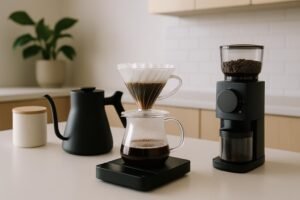
The method in question is the classic manual pour-over, often embodied by iconic devices like the V60, Chemex, or even the humble Melitta cone. Its appeal lies precisely in its lack of moving parts. It’s just ground coffee, a filter, hot water, and gravity. This simplicity is deceptive, however, as it places the brewer firmly in control of every variable. Unlike an espresso shot, which is a high-pressure, rapid extraction, the pour-over is a gentle, slow infusion. This slower process allows for a cleaner separation of the coffee solids from the liquid, resulting in a cup that is remarkably free of sediment and bitterness. The clarity of flavor achieved through this method is unparalleled, allowing the drinker to taste the subtle, nuanced notes—the citrus, the floral, the chocolate—that are often masked by the intensity of other brewing styles. This clarity is the secret weapon behind the pour-over’s revival, turning it from a basic necessity into a gourmet experience.

The Pursuit of Clarity: Why Simplicity Wins
The modern coffee drinker is increasingly sophisticated, moving beyond the binary choice of “strong” or “weak” to seek out specific flavor profiles. This shift aligns perfectly with the pour-over method. Because the water passes through the grounds only once, and the paper filter traps most of the oils and micro-fines, the resulting brew is exceptionally clean. This clean canvas is ideal for showcasing the delicate flavors of light and medium-roast specialty beans. The method acts as a magnifying glass for the coffee’s origin, allowing the unique terroir—the soil, climate, and altitude—to shine through. This is a stark contrast to methods like the French Press, which, while full-bodied, often leave a heavy, oily residue that can muddy the flavor. The pour-over is the preferred method for coffee professionals precisely because it offers this level of transparency, making it the gold standard for tasting and evaluating high-quality beans. The pursuit of this flavor clarity is what fuels the global comeback, transforming a simple act into a form of liquid art.
The Ritual of the Pour: A Meditative Experience
Beyond the superior taste, the pour-over offers a psychological benefit that resonates deeply in our fast-paced society: the ritual. In a world where we are constantly seeking efficiency, the pour-over demands patience and presence. The act of slowly pouring water in concentric circles, watching the coffee “bloom,” and smelling the evolving aroma is inherently meditative. It forces a pause, a moment of focus before the day begins. This ritualistic aspect is a powerful draw for those looking to inject mindfulness into their daily lives. It’s a small, manageable task that provides a sense of accomplishment and control. The entire process, from grinding the beans to the final pour, typically takes less than five minutes, yet it feels like a complete, satisfying ceremony. This connection to the process, this brief escape from the digital world, is a major factor in its renewed popularity. It’s not just about drinking coffee; it’s about making it, and the satisfaction that comes from that craft.

The Essential Variables: Control is Key
While the pour-over is simple in concept, mastering it requires attention to detail. The three most critical variables are grind size, water temperature, and pour technique. A consistent, uniform grind is non-negotiable. If your grind is too coarse, the water will pass through too quickly, leading to under-extraction and a sour taste. If it’s too fine, the water will clog the filter, leading to over-extraction and bitterness. This is why investing in a quality burr grinder is the first step toward pour-over perfection—a topic we explored in detail in our guide on The Ultimate Guide to Coffee Grinders: Burr vs. Blade. The water temperature should be between 195°F and 205°F (90°C and 96°C). Too cold, and you won’t extract enough flavor; too hot, and you risk scorching the delicate compounds. Finally, the pour technique—the speed and pattern of the water—controls the contact time and ensures even saturation of the grounds. Mastering these elements is the difference between a good cup and a truly exceptional one, a level of control that appeals to the modern enthusiast.
The Global Stage: From Tokyo to Brooklyn
The comeback of the pour-over is a global phenomenon. In places like Tokyo, the meticulous, almost scientific approach to coffee brewing has long been a cultural staple, with tiny, specialized coffee bars dedicated solely to the pour-over method. This culture has now spread rapidly across the world. In major cities from Brooklyn to Berlin, new wave coffee shops are featuring pour-over as their premium offering, often using high-end equipment and showcasing rare, expensive beans. This elevation of the simple drip method to a gourmet status has made it aspirational. It’s no longer the default; it’s the choice of the connoisseur. The visual appeal of the process—the elegant glassware, the controlled pour from a gooseneck kettle—also plays a role, making it highly shareable on social media and further fueling its global adoption. This blend of tradition, quality, and aesthetic appeal has cemented the pour-over’s place at the forefront of the coffee renaissance.
The Economic and Environmental Appeal
Another subtle factor contributing to the pour-over’s resurgence is its economic and environmental footprint. Compared to complex espresso machines, the equipment required for a pour-over is minimal and relatively inexpensive: a cone, a filter, and a kettle. This low barrier to entry makes it accessible to anyone serious about improving their home coffee experience. Environmentally, the process is also simpler. It uses less energy than electric brewers and produces only a compostable paper filter and grounds. In a world increasingly conscious of consumption, the simplicity and sustainability of the pour-over method resonate with a broader audience. It’s a high-quality, low-impact way to enjoy coffee, aligning with the values of the modern, mindful consumer.
Beyond the Basics: The Next Level of Control
For those who have mastered the basic pour-over, the journey doesn’t end there. The method offers endless opportunities for experimentation. Variables like the bloom time, the number of pours, and the total brew time can be fine-tuned to extract specific flavor characteristics from different beans. This is where the simple method intersects with the world of advanced coffee science. Enthusiasts use digital scales and timers to track every gram of water and every second of the brew, seeking to replicate the perfect cup with scientific precision. This level of dedication is what turns a simple brewing method into a lifelong hobby. If you are interested in taking this control to the next level, you might want to read our article on Precision Coffee: How to Adjust Seconds, Grams, and Temperature to Create Your Exclusive Flavor Signature, which delves into the minute adjustments that define a truly personalized brew. The pour-over is the perfect gateway to this world of precision, offering a direct, unmediated connection between the bean and the cup.
The comeback of the simple pour-over is a powerful reminder that in the pursuit of quality, less is often more. It strips away the unnecessary complexity, leaving only the essential elements: a great bean, clean water, and a focused brewer. The result is a cup of coffee that is not only delicious but deeply satisfying, a perfect blend of tradition, ritual, and modern appreciation for flavor clarity. It is a quiet rebellion against automation, a celebration of the craft, and a global movement that is redefining what a perfect cup of coffee should be. 

Gabriel James is passionate about the world of coffee, with hands-on experience in specialty beans and artisanal brewing. He has worked in local coffee shops and closely observed extraction and service techniques. Today, he uses this blog to share accessible and relevant tips that help beginners understand and better appreciate coffee in their daily lives. His goal is to make learning simple and inspire more people to explore new flavors and methods.